
Batch Preparation Basics
You arrive home after a long day and realize the refrigerator contains only empty containers and a wilting head of lettuce. This common scenario forces many people to order expensive takeout food instead of preparing a nutritious meal at home. By shifting your approach to include deliberate planning, you can avoid this cycle of stress and wasted money. Mastering the art of preparing multiple meals during one session allows you to reclaim your evenings and keep your kitchen running smoothly.
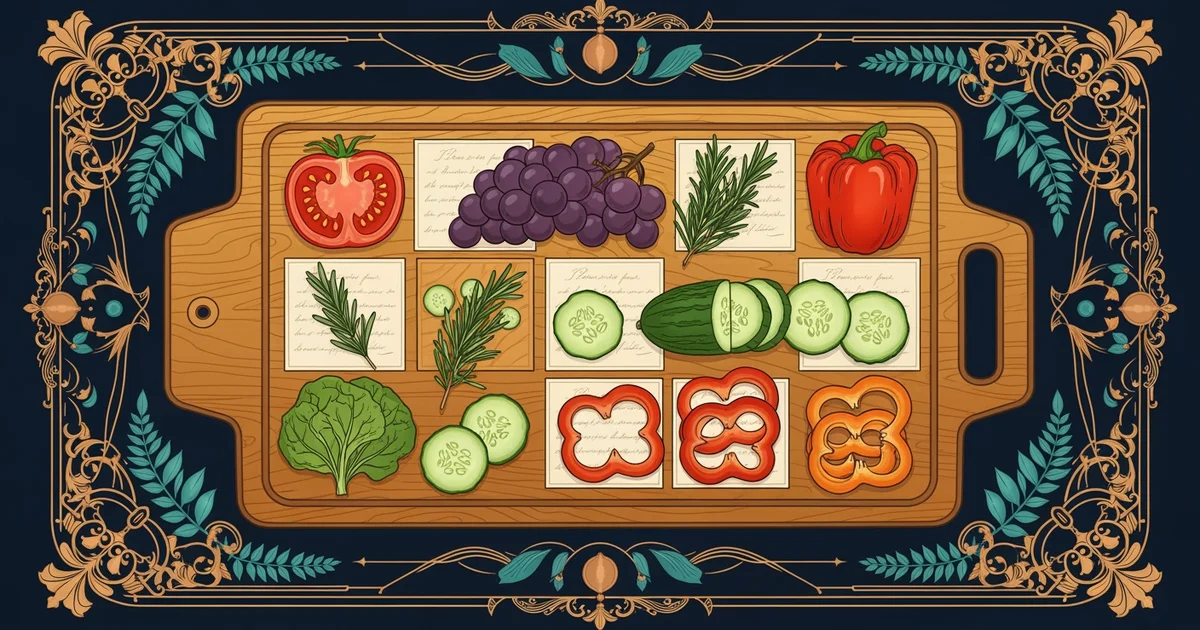
Establishing Efficient Workflow Patterns
When you engage in batch preparation, you focus your energy on completing several cooking tasks during one dedicated time block. Think of this process like a small business owner who manages inventory to ensure that every single item serves a specific purpose throughout the week. You start by identifying core components that work across different dishes, such as roasting a large tray of vegetables or cooking a big pot of grains. This method saves significant time because you avoid the repetitive effort of washing knives and cleaning pans every single night. By grouping similar tasks, you create a rhythm that turns a chaotic kitchen into a highly efficient culinary workspace.
Key term: Batch preparation — the practice of cooking multiple meal components or entire dishes in a single session to save time and effort during the work week.
Organizing your ingredients before you start cooking prevents the common frustration of searching for a missing spice while a pan burns on the stove. You should gather all necessary tools and produce on the counter to maintain a clear line of sight for your tasks. This setup phase acts as a foundation for your success because it removes mental clutter and allows you to focus entirely on the cooking process. When you treat your kitchen like a professional station, you naturally improve the speed and quality of your results.
Balancing Components for Versatile Meals
To maximize the utility of your sessions, you must focus on creating flexible base ingredients that pair well with various sauces or proteins. A well-planned batch session relies on the principle of modularity, where you prepare items that can be combined in many different ways. For instance, you might season a large batch of chicken with neutral herbs so that it fits into a salad, a wrap, or a pasta dish later. This level of planning ensures that you never feel restricted by your previous choices, even when you are eating pre-prepared food.
| Ingredient Category | Primary Purpose | Best Storage Method |
|---|---|---|
| Grains and Starches | Bulk energy source | Airtight glass jars |
| Roasted Vegetables | Fiber and flavor | Shallow plastic tubs |
| Proteins and Meats | Main nutrient focus | Sealed freezer bags |
Following this structure allows you to maintain variety without needing to restart the entire cooking process from scratch every single day. You can use these components as the building blocks for a rotating menu that stays fresh and interesting throughout your busy week. This strategy effectively balances the need for convenience with the desire for high-quality, home-cooked food that supports your long-term health goals.
Developing a consistent routine for your cooking sessions helps you build the skills necessary to master more complex culinary tasks later. When you practice these mechanics, you gain a deeper understanding of how heat and time influence the texture and flavor of your ingredients. This knowledge will serve you well as you continue to refine your kitchen habits and explore new ways to make your cooking more sustainable and enjoyable. Consistency is the secret ingredient that turns basic preparation into a reliable system for daily success.
Strategic batch cooking transforms your kitchen workflow by consolidating repetitive tasks into a single, efficient session that provides versatile components for the entire week.
But what does the actual process of keeping these prepared components fresh for several days look like in practice?
Want this with sources you can check?
Premium Learning Paths for Culinary Arts & Gastronomy are researched against open-access libraries — PubMed, arXiv, government databases, and more — with their distinctive claims cited to real sources and independently checked.
See what Premium includes