
The Evolution of Global Spice Trade
Imagine your favorite local meal lacking its signature kick of black pepper or cinnamon because these items simply do not grow in your home country. You might find this reality strange today, but for most of human history, access to these aromatic ingredients depended entirely on dangerous journeys across vast oceans and deserts. These small, dried plant parts changed the way ancient civilizations interacted, traded, and even fought for control over global markets. Understanding how these items moved across the map explains why we have such diverse pantry shelves in our modern kitchens.
The Historical Value of Aromatic Goods
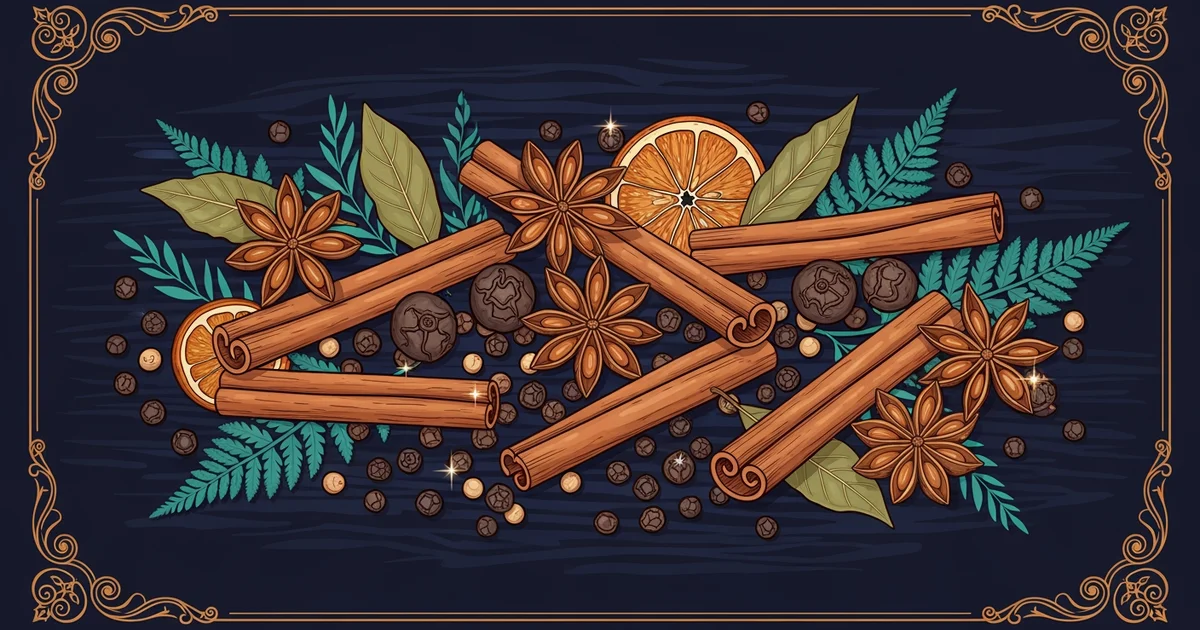
Ancient societies viewed spices as precious treasures that held value far beyond their culinary uses in daily cooking. Merchants often treated these goods like gold because they were lightweight, easy to transport, and highly sought after by wealthy elites. Because many of these plants only grew in specific tropical climates, they created a massive spice trade that connected distant continents for the first time. Think of these routes like a global supply chain where every stop added cost and risk to the final product. Just as a modern smartphone requires parts from many countries to function, a single dish in the ancient world required a massive network of ships and caravans to assemble its unique flavor profile.
Key term: Spice trade — the vast, historical network of sea and land routes that moved aromatic plants from tropical regions to distant global markets.
This system did not just move physical goods across the earth, but it also transferred cultural ideas and technological knowledge between different people. When traders traveled along these paths, they brought stories, languages, and cooking techniques that merged with local traditions to create new food identities. These interactions show that the movement of food was actually a catalyst for human connection and global development. We often think of these routes as simple roads, but they were actually complex webs that linked the economies of the East and the West for centuries.
Shaping Global Culinary Identity
Modern availability of diverse ingredients is a direct result of how these ancient paths evolved over time to become more efficient. Before these routes existed, people only ate what grew nearby, which meant flavors stayed very local and predictable for many generations. As explorers mapped new ways to reach spice-producing regions, they made these rare items more accessible to the average person in major port cities. This change allowed cooks to experiment with new combinations, leading to the complex flavor profiles we recognize as traditional in many cultures today. The process of blending these distant ingredients into local food is how many nations defined their unique gastronomic signatures.
| Era | Primary Transport | Key Reach | Impact on Food |
|---|---|---|---|
| Ancient | Land Caravans | Local/Regional | Limited variety |
| Medieval | Mixed Sea/Land | Continental | High cost luxury |
| Colonial | Maritime Routes | Global | Mass availability |
This table shows how the methods of transport directly influenced how much of the world a person could taste in their own home. By the time sea routes became the standard, the cost of these goods dropped, allowing more people to use them in their daily lives. This democratization of flavor meant that spices were no longer just for the rich, but became essential components of everyday cooking for everyone. This shift in availability is exactly why you can find cinnamon or cloves in almost any grocery store today without needing to organize a multi-year expedition.
By the end of this path, you will understand how specific botanical origins and trade histories combine to create the distinct flavor identities that define world cuisines.
The global spice trade acted as a catalyst for cultural exchange, transforming rare luxury goods into fundamental elements of modern culinary identity.
Next, we will explore the botanical origins of these spices to understand why they grow only in specific environments.