
Nutrient Bioavailability
You spend hours selecting high-quality organic vegetables, but your body may only absorb a small fraction of the nutrients they contain. Choosing the right ingredients is only the first step in a complex biological process that determines if your cells actually receive the intended fuel.
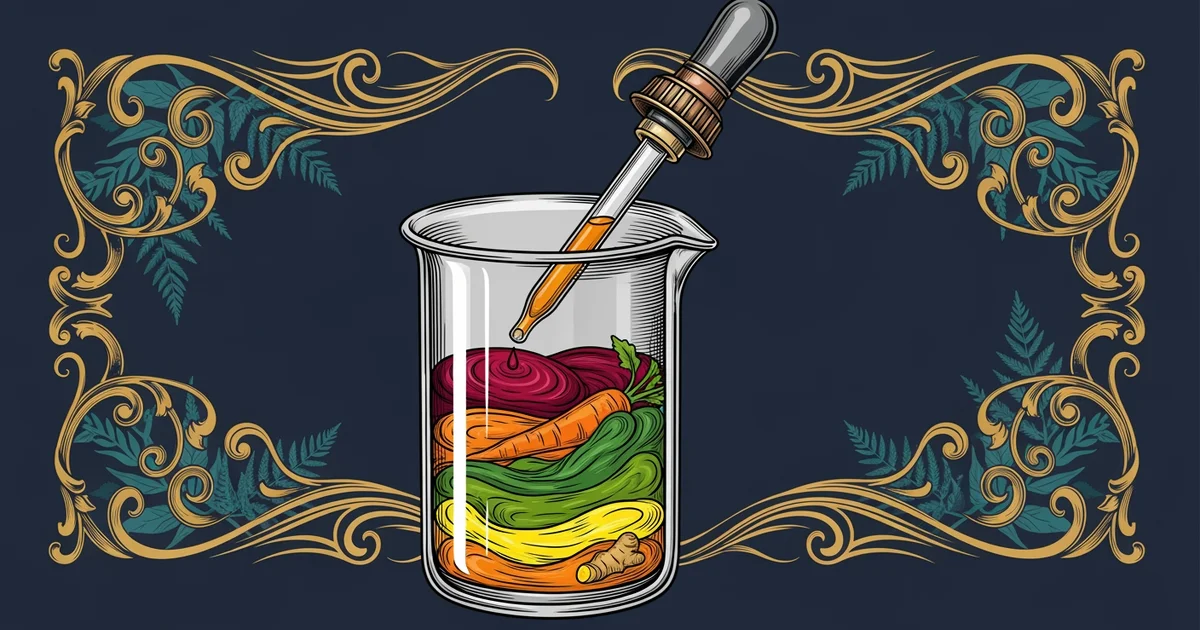
The Mechanics of Nutrient Uptake
Bioavailability represents the proportion of a nutrient that is digested, absorbed, and utilized by the human body for essential functions. When you consume food, your digestive system must break down complex structures into smaller chemical units that can pass through the intestinal wall. If a nutrient remains trapped inside rigid plant cell walls or binds to other compounds, it simply passes through your system without providing any benefit. Think of this process like trying to withdraw cash from a high-security bank vault while standing in a long, slow-moving line. Even if you have plenty of money in your account, you cannot spend it until the teller verifies your identity and processes the transaction. Your digestive enzymes act as the bank tellers who must unlock the vault of your food to make the nutrients available for your cells to use.
Many factors influence how effectively your body extracts these vital components from your meals during the digestion process. The physical state of the food, the presence of other nutrients in the same meal, and your own internal health all play a significant role. For instance, some minerals require specific acidic environments to dissolve properly before they can move into the bloodstream. If you consume these minerals alongside substances that neutralize stomach acid, you effectively lock the vault door and prevent nutrient absorption. Understanding these chemical interactions allows you to modify your eating habits to ensure you get the most value from every single bite you take.
Strategies for Enhancing Absorption
To optimize your nutrient intake, you must consider the chemical relationships between different food components and how they interact during digestion. Certain compounds naturally enhance the absorption of others, while some pairings create obstacles that inhibit the process entirely. You can improve your results by intentionally pairing foods that work together to unlock hidden nutrients that would otherwise remain dormant. The following table highlights common interactions that influence how efficiently your body processes specific essential nutrients from your daily diet.
| Nutrient Pair | Interaction Type | Result for Absorption |
|---|---|---|
| Vitamin C and Iron | Synergistic | Increases iron uptake |
| Calcium and Iron | Inhibitory | Decreases iron uptake |
| Fat and Vitamin A | Synergistic | Improves solubility |
By planning your meals around these interactions, you turn your kitchen into a laboratory for biological optimization. You might choose to add a squeeze of lemon juice to your leafy greens to boost iron absorption through the acidic properties of vitamin C. Avoiding high-calcium dairy products during meals rich in plant-based iron prevents the competition that often limits mineral uptake. These small, deliberate adjustments in your culinary approach directly impact how well your body performs on a cellular level throughout the day.
Key term: Nutrient synergy — the process where two or more food components work together to enhance the absorption or biological activity of a specific nutrient.
Refining your food preparation techniques also plays a critical role in increasing the accessibility of nutrients trapped within tough fibers. Cooking, blending, and fermenting are all effective methods for breaking down structural barriers that your body cannot easily digest on its own. When you heat vegetables, you soften the cell walls and release trapped vitamins that are otherwise protected by dense cellulose structures. This preparation essentially performs the first stage of digestion before the food even enters your mouth, which reduces the workload on your internal systems. By combining these smart preparation habits with strategic food pairings, you maximize the efficiency of your biological fuel intake and support better cognitive and physical performance.
Maximizing nutrient availability requires both strategic food pairing and preparation methods that break down structural barriers to ensure efficient cellular absorption.
The next Station introduces enzymatic food reactions, which determine how specific biological catalysts accelerate the breakdown of nutrients during the digestion process.