
Defining Language Processing
Understanding Natural Language Processing
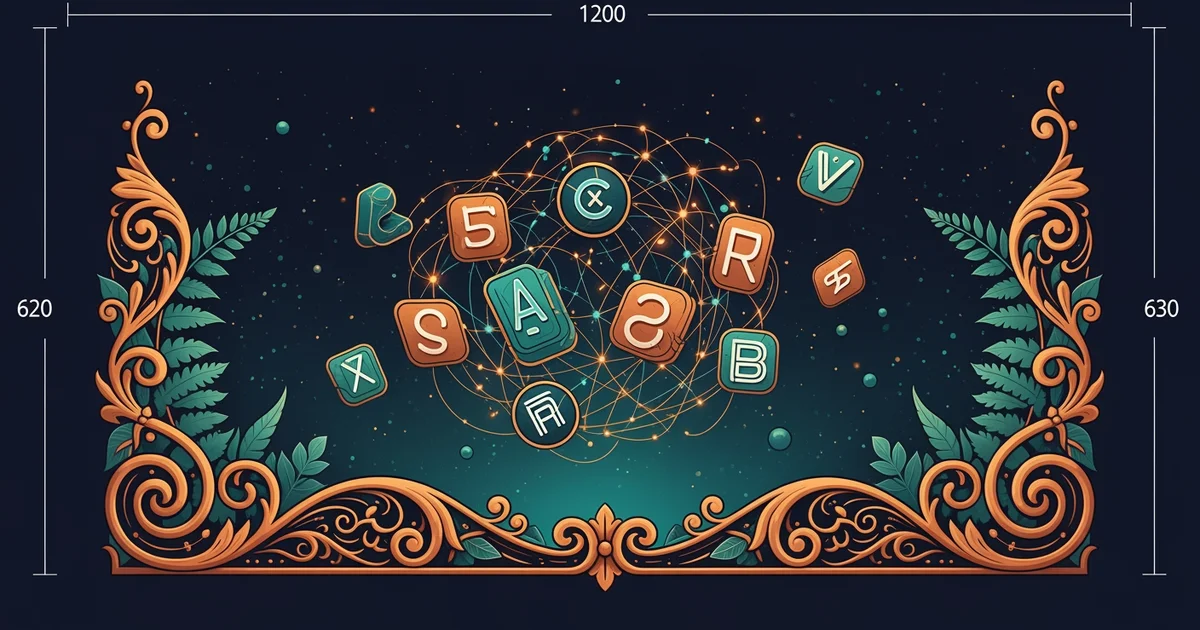
Natural language processing serves as the bridge between human communication and computer logic. Because computers operate using rigid binary code, they struggle to parse the messy nature of human speech. When we speak, we rely on context, tone, and cultural knowledge to convey meaning. Computers lack these innate human traits, requiring specialized algorithms to interpret our complex linguistic patterns. This field combines computer science with linguistics to create systems that understand, interpret, and generate human language. By teaching machines to process text, we unlock new ways to interact with digital technology.
The Challenge of Human Speech
Human language is notoriously difficult for machines because it is constantly changing and evolving. Words often carry multiple meanings depending on the specific context of a sentence. For example, the word bank might refer to a river edge or a financial institution. A human understands this distinction instantly, but a computer requires massive datasets to learn the difference. Furthermore, slang, sarcasm, and regional dialects complicate the rules of grammar and syntax. These nuances force developers to build flexible models rather than relying on simple, static rule sets.
Core Components of Processing
To bridge this gap, engineers break language down into smaller, manageable pieces for the machine. The process begins with tokenization, which involves splitting sentences into individual words or meaningful units. Once the text is broken down, systems analyze the grammatical structure to identify nouns, verbs, and adjectives. This structural analysis helps the computer map relationships between different parts of a sentence. Following this, the machine converts words into numerical vectors to perform mathematical calculations on the data. These vectors allow the computer to calculate semantic similarity between different words or phrases.
# Simple tokenization example in Python
text = "Computers process language data."
tokens = text.split()
print(tokens)
# Output: ['Computers', 'process', 'language', 'data.']
By viewing language as a series of numbers, the machine can identify patterns that humans might overlook. This mathematical approach allows systems to predict the next word in a sequence with high accuracy. While the machine does not truly feel or understand the words, it excels at identifying statistical probability. This capability powers everything from simple autocorrect features to complex language translation engines used globally today.
The Role of Machine Learning
Modern systems rely heavily on machine learning to improve their understanding over time. Instead of programming every rule, engineers feed the computer vast amounts of human text. The system analyzes this data to identify patterns in how words appear together in different contexts. As the model processes more examples, it refines its ability to predict language accurately. This iterative learning process is essential for handling the vast diversity of human expression. Without this data-driven approach, computers would remain limited to rigid, predefined responses that rarely feel natural.
Practical Applications Today
We encounter these technologies daily, often without realizing the complex work happening behind the scenes. Virtual assistants use these tools to interpret voice commands and provide relevant answers to queries. Similarly, email platforms use language processing to filter spam messages by analyzing text patterns. These applications demonstrate how far the field has moved beyond simple word matching. As we continue to refine these algorithms, the gap between human communication and machine understanding continues to narrow. Future developments will likely focus on improving the nuance and emotional awareness of these digital systems.
Summary of the Field
Mastering this topic requires a blend of logic, statistics, and linguistic insight. By understanding how machines process text, you gain a deeper appreciation for the digital world. This path explores the mechanics of language processing from basic concepts to advanced applications. You will learn how to build systems that can analyze, interpret, and generate text. Preparing to dive into this field means embracing the challenge of teaching machines to think like humans. We invite you to explore the stations ahead and uncover the hidden logic of language.