
Data Pipelines Explained
Imagine a factory assembly line where raw materials enter one end and finished products exit the other without human intervention. Machine learning models require a similar structure to handle the constant flow of raw information from diverse sources into usable formats. Without a steady stream of processed data, even the most advanced model remains an empty shell that cannot make predictions. Developers build these pathways to ensure that information arrives at the model in the correct shape, timing, and quality. This movement of data is the backbone of every modern application that relies on artificial intelligence to function correctly.
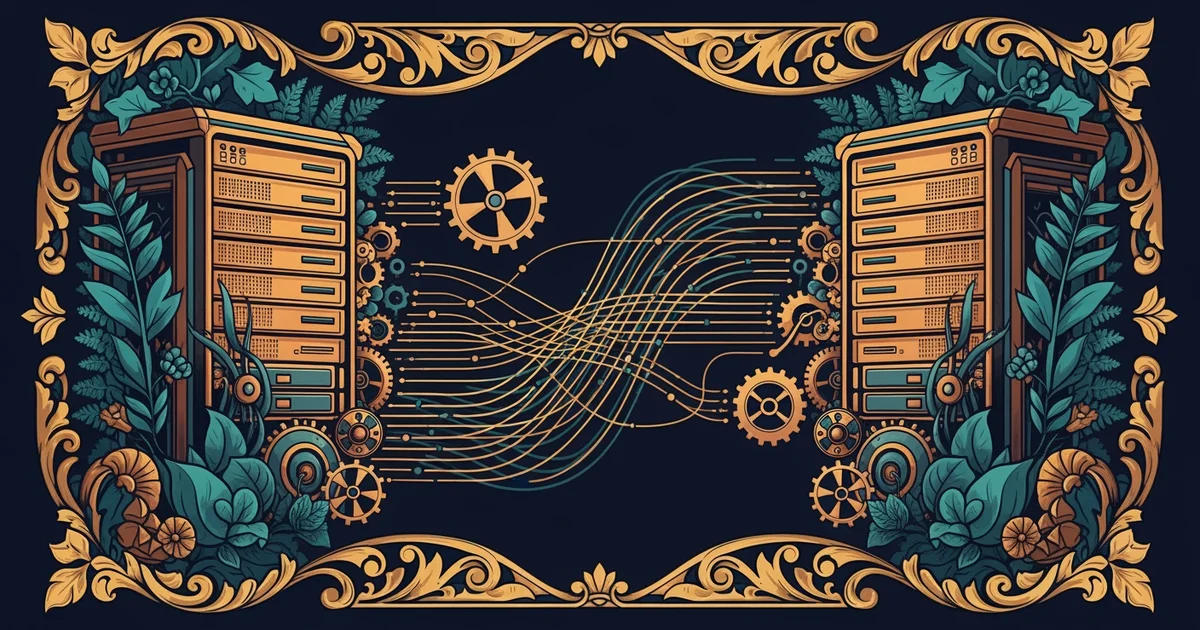
Automating the Flow of Information
A data pipeline acts as the digital infrastructure that moves information from its raw source to a destination for analysis. You can think of this process like a city water system that collects, filters, and distributes water to homes. Raw data often arrives in messy or incomplete formats that a machine learning model cannot process on its own. The pipeline cleans these inputs by removing errors, filling in missing gaps, and standardizing the units of measurement. By automating these repetitive tasks, engineers save time and prevent the manual errors that occur during human data handling.
Key term: Data pipeline — a series of automated processes that extract, transform, and load information from various sources into a final storage system.
Once the data is clean, the pipeline moves it to a central location where the model can access it easily. This storage space acts as a reservoir, holding the refined data until the model needs to perform a new round of training or inference. If the pipeline stops working, the model effectively runs out of fuel and ceases to provide updated insights. Reliability remains the most critical feature because a broken link in the pipeline leads to outdated or inaccurate model predictions. Engineers monitor these systems around the clock to ensure that the flow never encounters a blockage or a major delay.
Components of Modern Data Systems
Most pipelines follow a predictable sequence of operations to turn chaotic raw inputs into structured knowledge. These stages ensure that the information maintains its integrity throughout the entire journey from the source to the final application. The following table outlines the primary stages that every standard pipeline must execute to remain functional and efficient for the team.
| Stage | Action Performed | Benefit to the Model |
|---|---|---|
| Extraction | Gathering raw data from databases | Access to diverse information sources |
| Transformation | Cleaning and formatting the inputs | High quality and consistent data sets |
| Loading | Sending data to the final system | Ready for immediate model use |
These stages create a repeatable loop that allows models to learn from new information as it happens. By separating the extraction from the transformation, engineers can update one part of the system without breaking the entire flow. This modular design makes the system easier to debug when unexpected issues arise during daily operations. The goal is to create a self-sustaining loop where data flows smoothly without requiring constant manual oversight from the development team.
Why Automation Matters for Production
Automation prevents the accumulation of technical debt by removing the need for manual scripts that are prone to failure. When a company relies on manual updates, the risk of human error increases with every single change to the system. Automated pipelines use strict rules to validate data quality before it ever reaches the model for processing. If the system detects a suspicious data point, it can flag the issue or pause the flow to prevent bad data from poisoning the model. This proactive approach ensures that the model remains accurate even when the input sources change or grow in complexity over time. You might wonder how we ensure these automated rules stay updated as the business requirements evolve to meet new market demands.
A data pipeline automates the collection, cleaning, and delivery of information to ensure that machine learning models always have access to reliable and structured inputs.
Next, we will explore how version control systems help teams track changes to these automated pipelines as they grow in complexity.