
Future Trends in Robotics
Robots will soon leave the laboratory to work alongside humans in busy public spaces. Imagine a world where machines navigate crowded streets while performing complex tasks with human precision. This shift is not just about building faster motors or stronger metal frames. It is about creating systems that understand human intent in unpredictable environments. As we move toward this future, the boundaries between digital logic and physical reality will continue to blur. We must prepare for a time when artificial partners are as common as the smartphones we carry today.
The Evolution of Sensory Integration
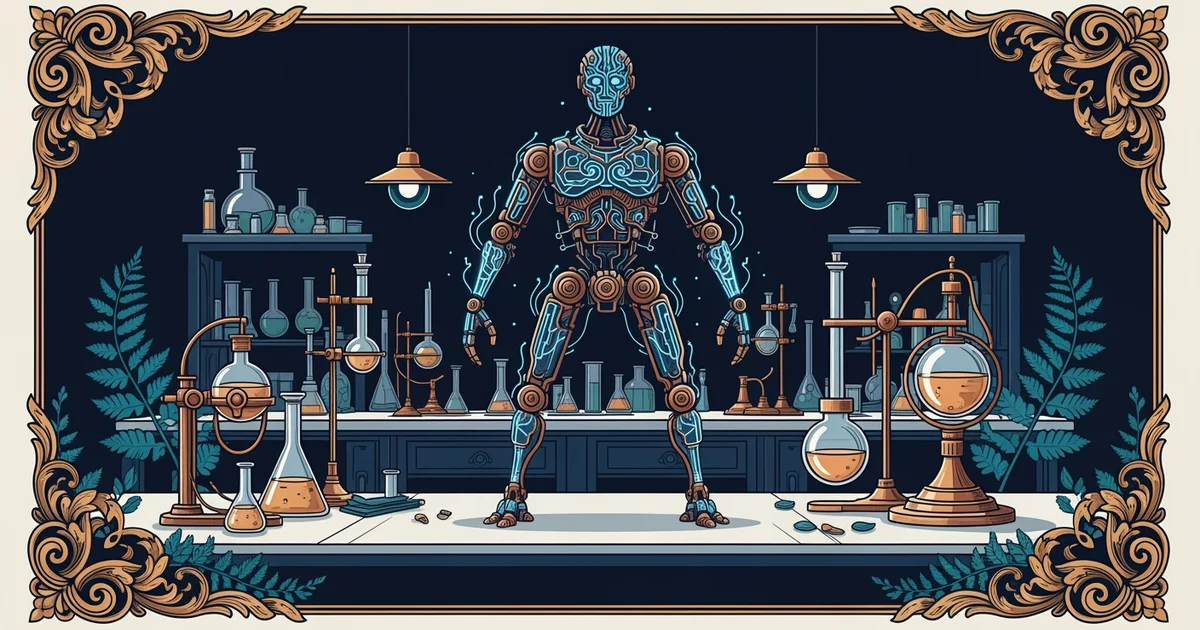
Future humanoid robots will rely on advanced sensory arrays to mimic the way humans perceive their surroundings. Current machines often struggle when lighting changes or when objects shift unexpectedly in their field of vision. Engineers are now developing multimodal perception systems that combine visual input with tactile feedback and sound. Think of this like a person walking through a dark house at night. You use your eyes to see shapes, but you also touch walls to maintain your balance. Robots will soon use this same strategy to move through our world with grace.
Key term: Multimodal perception — the process of integrating data from multiple sensors to create a unified and accurate understanding of an environment.
This integration allows robots to react to changes in real-time without needing a constant connection to a central server. By processing data locally, these machines will avoid the delays that often hinder current automated systems. This local intelligence acts like a local bank branch versus a main office. When you need cash, you want the local branch to handle the request immediately rather than waiting for the main office to approve every single transaction. Local processing ensures that the robot remains responsive even when network signals are weak or unavailable.
Advancements in Adaptive Learning
Beyond sensing, the next generation of humanoids will master the art of learning from observation rather than rigid programming. Previous models required engineers to write specific code for every single movement they performed. This old method is far too slow for the fast pace of modern human life. New machine learning algorithms now allow robots to watch a task once and then replicate the motion. This transition from static instruction to active observation changes the role of the human operator. We will become mentors who demonstrate skills rather than technicians who write lines of complex code.
To understand how this growth looks, we can compare the development stages of these machines to the way a new business grows. At first, the business needs constant oversight from the owner for every small decision. As the business matures, the staff learns the processes and begins to handle daily operations independently. Robotics is currently moving into this mature phase where the system understands the goal and finds the best way to reach that outcome. The following table highlights the shift in how robots manage their daily tasks:
| Development Stage | Programming Style | Decision Making | Primary Role |
|---|---|---|---|
| Early Models | Static Scripting | Predefined Logic | Tool usage |
| Current Systems | Hybrid Control | Cloud Assisted | Task support |
| Future Humanoids | Adaptive Learning | Local Autonomy | Peer partner |
This growth creates a new tension between the efficiency of machines and our need for human control. While machines become better at tasks, we must ensure they align with our safety standards and social norms. We previously discussed the ethical implications of these systems in earlier lessons. Now, we see those ethical concerns meeting the reality of rapid technological growth. Balancing these two forces remains the biggest challenge for the next decade of research.
Future humanoid robots will transform from simple tools into autonomous partners by using sensory integration and adaptive learning to navigate our complex human world.
Understanding these trends allows us to see that the future of robotics is not just about metal and wires, but about building machines that can learn to live and work safely beside us.