
The History of Records
Imagine searching through a dusty box in your attic to find a handwritten letter from your great-grandparent. This physical object acts as a tangible bridge to the past, allowing you to touch the very paper they held while writing their thoughts. You can see the ink stains and the pressure of their pen, which provides a sense of connection that digital screens often struggle to mimic. Records have evolved from these heavy, physical items into light, invisible bits of data that float across global networks today.
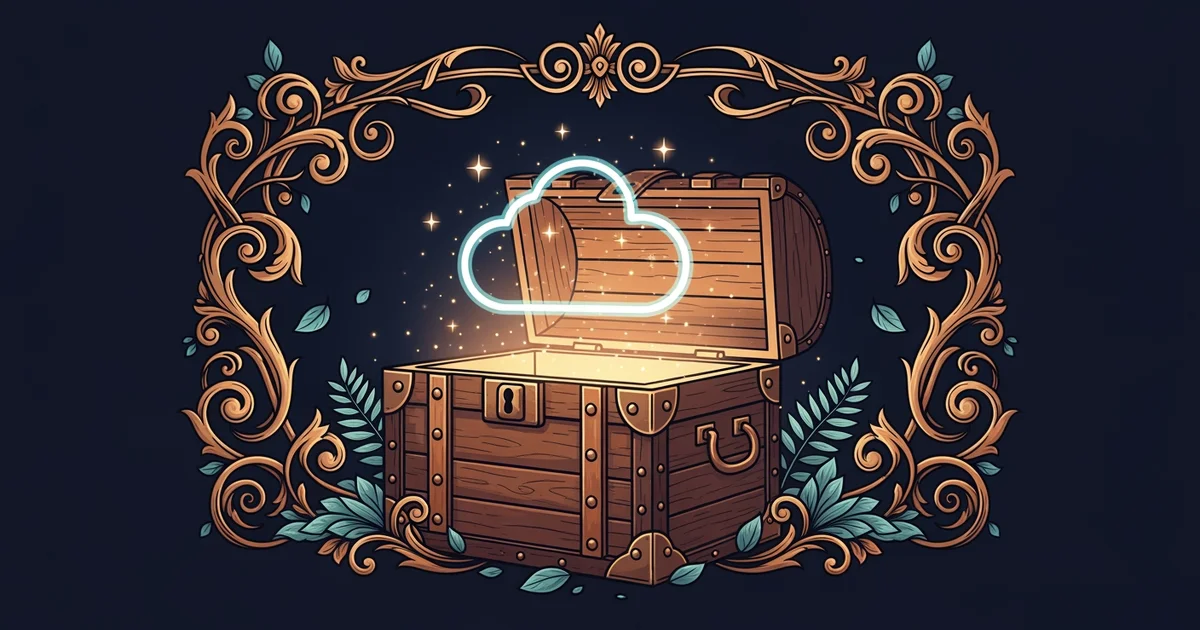
The Evolution of Keeping Records
Historically, humans relied on physical media to preserve their legacies for future generations to discover and study. Stone tablets, papyrus scrolls, and paper journals served as the primary vessels for human knowledge and personal identity. These items possess a unique permanence because they occupy physical space and require deliberate effort to destroy or alter completely. Think of a library shelf as a massive, shared memory bank where each book represents a single, static snapshot of a person or event. This physical storage method ensures that information remains accessible as long as the material survives the environment.
Key term: Digital footprint — the trail of data you create while using the internet, which forms a permanent record of your online actions.
Digital records differ significantly because they exist as abstract code rather than solid, touchable objects in our world. While a physical letter stays in one place, a digital file can replicate itself instantly across thousands of servers globally. This shift changes how we think about our personal history and the longevity of our own life stories. We no longer rely on paper to prove our existence or our achievements to the world around us. Instead, we depend on complex systems that manage our data behind the scenes, often without our direct supervision or physical control.
Comparing Physical and Digital Storage
To understand the difference, consider the analogy of a personal budget kept in a ledger versus one stored in a banking app. The paper ledger is like a physical record, where every entry is permanent and visible, requiring you to manually turn pages to see your history. The banking app is like a digital record, where algorithms update your balance automatically and hide the complex math happening behind the screen. Both methods track your financial life, but the digital version offers speed and convenience at the cost of physical visibility and direct control.
| Feature | Physical Records | Digital Records |
|---|---|---|
| Storage | Requires physical space | Occupies virtual server space |
| Access | Needs physical presence | Accessible from anywhere |
| Alteration | Difficult to change | Easy to edit or delete |
| Decay | Paper fades over time | Files can become unreadable |
Digital logs provide a different kind of permanence that relies on the health of the hardware and software systems. Unlike a book that sits on a shelf, digital files require active maintenance to remain readable as technology changes over time. If a specific file format becomes obsolete, the information trapped inside might become impossible to open without special tools. This creates a new challenge for anyone wanting to maintain a long-term legacy in a world that moves toward constant software updates. We must now manage the accessibility of our records as carefully as we once managed the physical safety of our paper journals.
Understanding these two methods helps you realize that your digital footprint is not just a collection of files, but a dynamic, growing narrative. Every post, message, and transaction adds a new line to a record that exists far beyond your personal reach. While physical records were limited by geography and material, digital records are limited only by the reach of the global network. This transition requires a new level of awareness regarding how we curate the information that will represent us in the future. You are the architect of a legacy that lives in the cloud, waiting for the next generation to access it.
Modern records shift from static physical objects to dynamic digital data streams that require active management to ensure they remain accessible for the future.
The next step involves exploring how you can maintain control over this data through the basics of digital ownership.