
Combat AI Mechanics
When a player enters the boss chamber in a modern action game, the enemy does not just stand there waiting for a command. The enemy uses a complex series of logic gates to decide between attacking, dodging, or retreating based on the player's current health and distance. This is the Combat AI system at work in real time, ensuring that every encounter feels unique and challenging for the human player. By breaking down combat into distinct states, developers create enemies that seem to possess a genuine sense of tactical awareness and survival instinct.
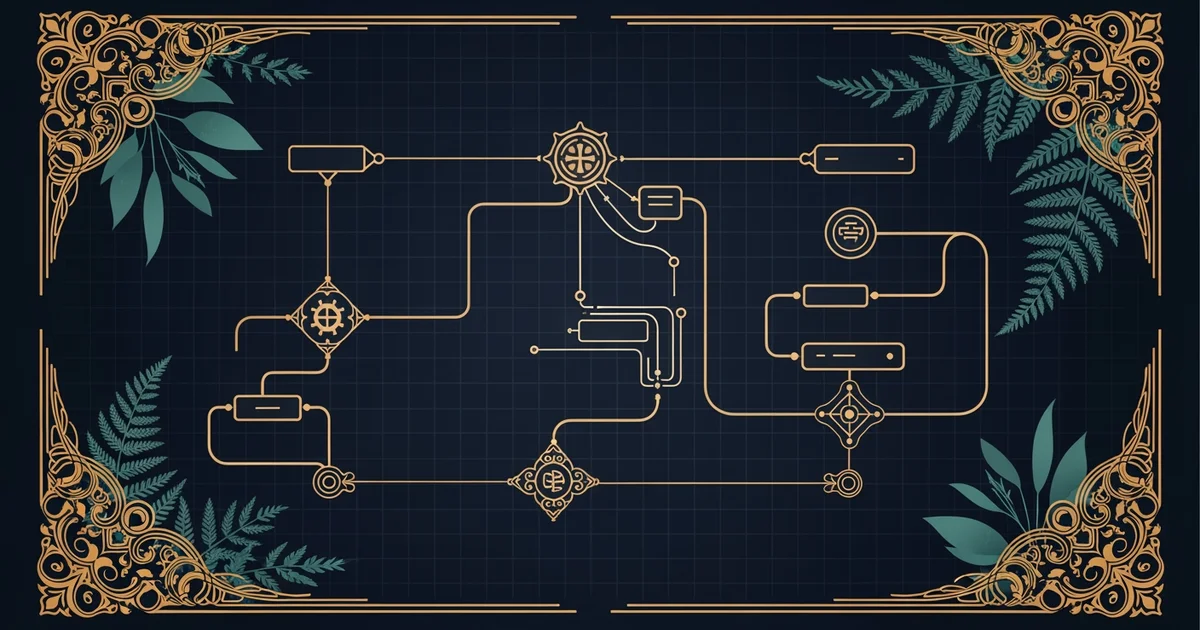
Designing Combat Logic States
Building an effective enemy requires a structured approach to decision-making that mimics human tactical choices. Developers often use a state machine to manage these behaviors, which acts like a traffic signal for the enemy's brain. When the enemy is idle, it monitors the environment for player movement within a specific radius. Once the player enters that space, the enemy transitions from an idle state to an aggressive combat state. This transition is critical because it forces the enemy to prioritize immediate threats over passive background animations. If the player moves out of range, the enemy switches back to a patrol state to conserve resources and reset its tactical position.
Key term: State Machine — a design pattern that forces a system to exist in only one specific condition at a time, allowing for predictable and organized behavior transitions.
To keep combat engaging, developers must ensure that enemies do not simply repeat the same attack pattern indefinitely. They implement a priority system where the enemy checks its own status before choosing the next move. An enemy with low health might prioritize defensive maneuvers, while a fully healthy enemy will pursue the player aggressively. This logic is similar to a chess player who evaluates the board before making a move; the enemy considers its current position relative to the player's strength. By weighing these factors, the AI creates an illusion of intelligence that keeps the player guessing during every single encounter.
Implementing Tactical Decision Loops
Once the basic states are established, the enemy needs a loop to process these decisions repeatedly during the fight. This loop functions as a constant feedback mechanism that updates the enemy's strategy based on the player's actions. The following table illustrates how different enemy types might prioritize their actions during this loop:
| Enemy Type | Primary Action | Secondary Action | Defensive Strategy |
|---|---|---|---|
| Grunt | Melee Attack | Charge Forward | Block Incoming Hit |
| Archer | Ranged Volley | Retreat Distance | Dodge Roll Away |
| Assassin | Flank Position | Stealth Strike | Smoke Screen Use |
This decision loop ensures that the enemy is constantly adapting to the environment rather than following a static script. If the player decides to use a ranged weapon, the melee enemy must recognize the distance and change its pathfinding to close the gap. This is the Combat Loop from Station 10 working in real conditions to maintain pressure on the player. Without this constant check, the enemy would appear lifeless and easy to exploit, which ruins the immersion of the game world.
When designing these encounters, you must balance the enemy's reaction time with the player's ability to respond effectively. If an enemy reacts instantly to every input, the game becomes frustrating and feels unfair to the human player. Instead, developers often add a slight delay or a visual telegraph to the enemy's decision-making process. This allows the player to recognize the incoming attack and perform a counter-move, creating a satisfying dance of action and reaction. The goal is to make the enemy feel smart enough to provide a challenge, but fair enough to allow for skill-based victory.
Effective combat AI relies on a structured decision loop that continuously evaluates environmental factors to select the most appropriate tactical response for the enemy.
But this model breaks down when the AI must navigate complex dialogue trees while simultaneously managing combat state transitions.