
Defining Platform Cooperativism
Imagine you use a popular ride-sharing app every single day to get to your job. You provide the labor while the company owners keep almost all the profit for themselves. This common situation creates a tension where the people doing the work have no voice in how the business runs. This is the core problem that new models attempt to solve by changing who holds the power. By shifting control to the users, we can rethink how digital spaces function for everyone involved.
Understanding Shared Ownership Models
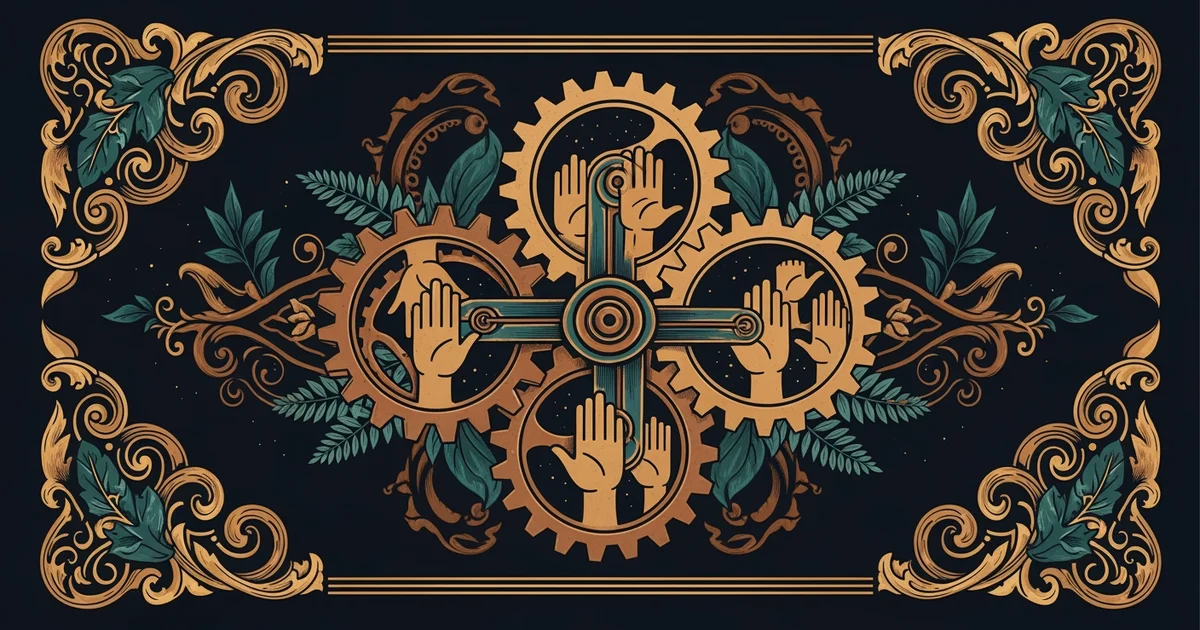
Platform Cooperativism is a business model where the digital tools we use are owned by the people who participate. Unlike traditional companies where outside investors make every choice, these groups operate through democratic control. Think of this like a community garden where everyone who plants seeds also helps decide when to water them. Everyone shares the work, and everyone benefits from the harvest at the end of the season. This approach ensures that the value created by users stays within the community instead of leaving.
Key term: Platform Cooperativism — a digital business structure where the workers and users hold collective ownership and democratic control over the platform.
Traditional platforms often prioritize rapid growth to satisfy distant shareholders who never use the service. This leads to decisions that might hurt workers just to boost short-term stock prices for wealthy investors. In contrast, a cooperative puts the needs of its members first because they are the ones who actually run the machine. When the people using the app are also the owners, the goals of the business align with the goals of the community.
Comparing Business Structures
To see how these differ, we can look at the main ways that control and profits are handled. Traditional firms focus on private profit while cooperatives focus on member value. This difference changes how the entire organization treats its daily users.
| Feature | Traditional Platform | Cooperative Platform |
|---|---|---|
| Ownership | Private investors | Member users |
| Decision Making | Top-down command | Democratic voting |
| Profit Goal | Shareholder returns | Member benefits |
This structure offers a clear way to see how power moves through an organization. In a traditional firm, the flow of money and power moves upward toward owners who do not interact with the service. In a cooperative, the power stays within the circle of people who provide the service and use it every day. This creates a cycle of trust where members feel invested in the success of the platform because they share in the results.
When we look at these two models, we can identify three main pillars that define how a cooperative functions:
- Democratic governance ensures that every member has an equal say in the policies that affect their daily work life on the platform.
- Shared economic returns mean that the surplus money generated by the platform is distributed back to the people who actually created that value.
- Open transparency allows all members to see how decisions are made and how money is spent, which builds long-term trust among the community.
By focusing on these principles, cooperatives build a more stable foundation for the future of digital work. This path will give you a complete understanding of how to build and sustain these democratic digital businesses by the end of the series.
True digital ownership requires that the people who create value through their daily labor also hold the power to govern the systems they use.
This path will provide you with the tools and knowledge to understand how cooperative models can transform the digital economy into a fairer system for everyone.