
Defining the Entrepreneurial Spirit
Imagine you see a broken gate at the local park every single day for a month. Most people walk past the gate while complaining about the mess or waiting for someone else to fix it. An entrepreneur sees that same broken gate and starts thinking about how to repair it or build a better one. This specific way of viewing the world is the foundation of the entrepreneurial spirit. It is not just about starting a business or making money through new ideas. It is about choosing to act when others choose to remain passive observers of a problem. You move from being a person who watches the world to being a person who shapes it.
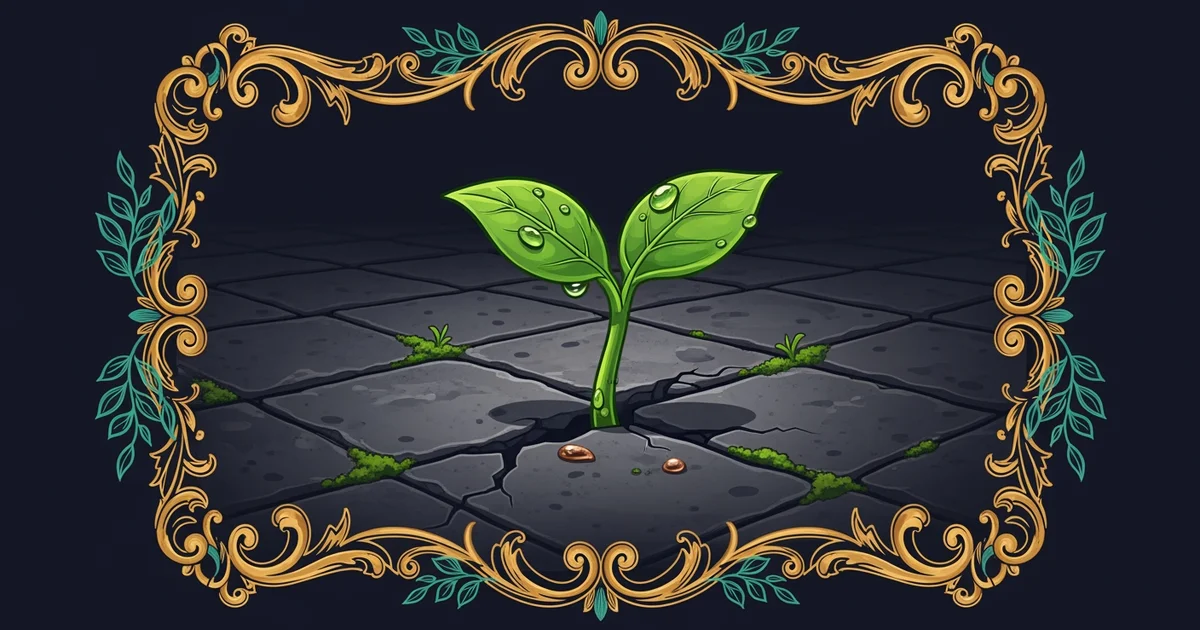
The Shift to Active Creation
Developing an entrepreneurial mindset requires a fundamental shift in how you process the challenges you face in daily life. Most people treat obstacles as stop signs that signal the end of a project or a goal. An innovator treats those same obstacles as information that reveals what the market or the community truly needs. You are essentially shifting your focus from the limitations of the current situation to the possibilities of a future solution. This shift transforms your perspective so that you stop asking why something is broken. Instead, you start asking how you can be the one to provide a better alternative.
Key term: Entrepreneurial mindset — the habit of identifying problems as opportunities for creating value rather than viewing them as permanent barriers.
This process is like a gardener who sees a patch of dry, empty dirt in a backyard. While a passive observer sees only dust and weeds, the gardener sees the potential for a thriving vegetable patch. The gardener does not complain about the lack of plants. Instead, the gardener identifies the need for water, soil nutrients, and seeds to create life. You must learn to look at your own environment with that same level of intentional focus. Every frustration you encounter is a signal that a gap exists between what people want and what they currently have. Filling that gap is the primary function of any successful innovator in the modern world.
Core Traits of Innovators
Successful innovators share common traits that allow them to turn their observations into real results. These traits are not inherited gifts but rather habits that you can practice every single day. You must learn to balance your creative vision with a practical understanding of what people actually value.
| Trait | Description | Impact on Success |
|---|---|---|
| Observation | Seeing hidden needs | Finds the market gap |
| Resilience | Facing failure well | Keeps the work moving |
| Adaptability | Changing the plan | Survives shifting trends |
These traits work together to build a strong foundation for your future projects. You can develop them by following these three simple guidelines for your personal growth:
- Active observation means you intentionally scan your environment for inefficiencies to understand why things do not work well.
- Resourceful thinking requires you to find ways to solve those problems using only the tools you have available right now.
- Value creation focuses your energy on delivering a result that makes life easier or better for the people around you.
By focusing on these areas, you move away from just thinking about ideas and toward building sustainable systems. You learn that the value you provide is the only metric that truly matters in the long run. This path will give you the tools to identify opportunities and turn them into lasting change throughout your career.
True innovation begins when you stop waiting for someone else to solve a problem and start viewing that problem as your own unique opportunity to create value.
This foundation prepares you to explore the history of market innovation and how past creators turned similar observations into the world we know today.