
Leadership Under Pressure
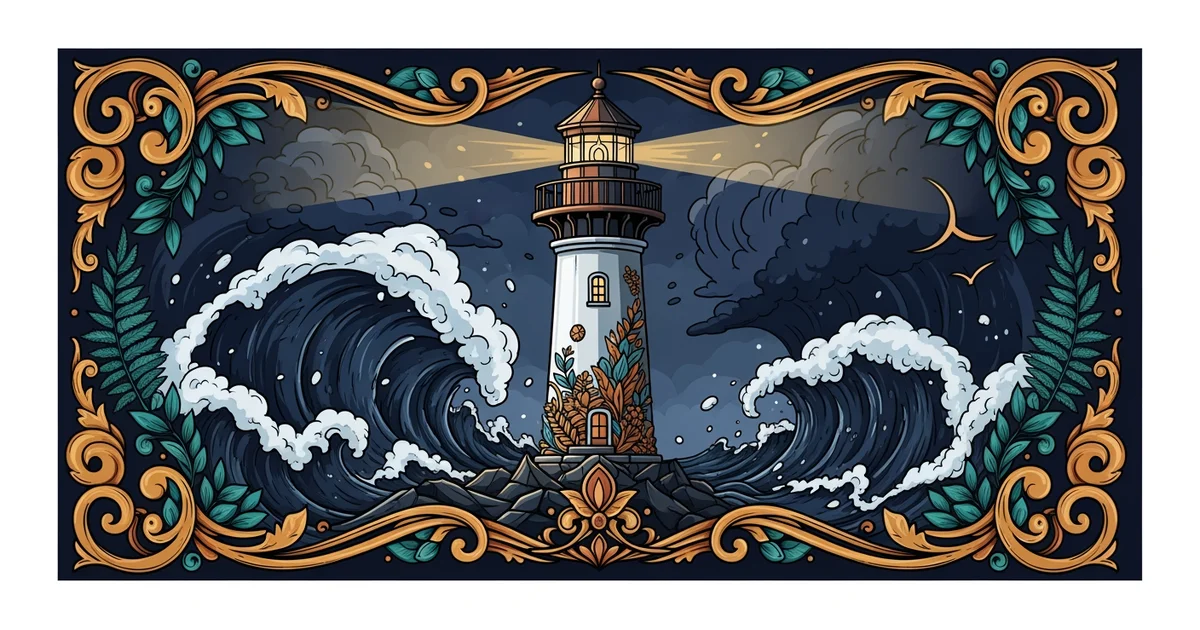
Imagine you are steering a ship through a sudden, violent storm in the middle of the night. The waves crash against the hull with enough force to make the entire vessel shudder under your feet. You cannot see the horizon, yet your crew looks to you for a calm signal on how to proceed safely. This is exactly what happens when a business leader faces an unexpected crisis that threatens the entire organization. Maintaining stability requires a shift in mindset from simple daily management to a state of heightened focus and clarity.
The Psychology of Calm Command
When a crisis hits, leaders often feel the urge to react immediately to every single problem that appears. This reactive approach creates chaos because it spreads resources thin and confuses the team members who look to you for direction. Instead, effective leaders practice proactive strategic management to filter out the noise and address the core threats first. Think of this process like a high-end camera lens that must adjust its focus to capture a clear image in low light. If you try to capture too much at once, the result is a blurry mess that helps no one.
By choosing to focus on specific, high-impact actions, you provide the stability that your organization needs to survive the storm. This requires you to suppress your own panic and act as a steady anchor for everyone else involved. You must communicate clear priorities so that every person on your team knows exactly what their role is during the chaos. This alignment prevents the team from wasting energy on tasks that do not move the needle during a time of extreme pressure.
Contrasting Reactive and Proactive Styles
To understand how to lead under pressure, we must look at the difference between reactive habits and proactive strategies. A reactive leader often jumps between tasks without a clear plan, which drains the team of their confidence and their focus. In contrast, a proactive leader uses a structured approach to assess the situation and plan the next few steps carefully. The following table highlights how these two different styles impact the overall health of an organization when things go wrong.
| Feature | Reactive Leadership | Proactive Leadership |
|---|---|---|
| Focus | Short-term fixes | Long-term stability |
| Energy | High panic level | Controlled intensity |
| Team | Feeling confused | Feeling empowered |
| Outcome | Increased friction | Sustained progress |
This comparison shows that your choice of style determines the survival of the team during a crisis. When you choose to be proactive, you move from being a victim of the circumstances to being the architect of the solution. This transition is essential for any leader who wants to maintain trust when the business environment becomes volatile and unpredictable. You must remain visible and accessible so that your team feels supported despite the pressure mounting around them.
Key term: Volatile market conditions — an economic environment where prices or demand change rapidly and unpredictably, forcing leaders to adapt their strategies quickly.
Leaders who succeed during these times often rely on a set of core principles to guide their daily decisions. These principles act as a compass when the usual rules of business no longer apply to the situation at hand. By sticking to these values, you maintain the trust of your stakeholders even when the path forward seems unclear to everyone else. You must also be willing to pivot your strategy if the data suggests that your current plan is no longer effective. Flexibility is not the same as weakness; it is a sign of a leader who understands the reality of the situation.
Ultimately, your ability to manage pressure serves as the foundation for the long-term health of the company. If you can keep the team focused on the mission, you will find that the organization becomes stronger after the crisis passes. This growth comes from the lessons learned while you were navigating the storm together. You are building a culture of resilience that will serve the business well long after the current threat has faded away into the past.
True leadership under pressure involves replacing impulsive reactions with a calm, deliberate strategy that keeps the entire team focused on the most critical goals.
The next Station introduces Operational Continuity, which determines how your strategic plan stays active during a major crisis.