
Mammal Foot Morphology
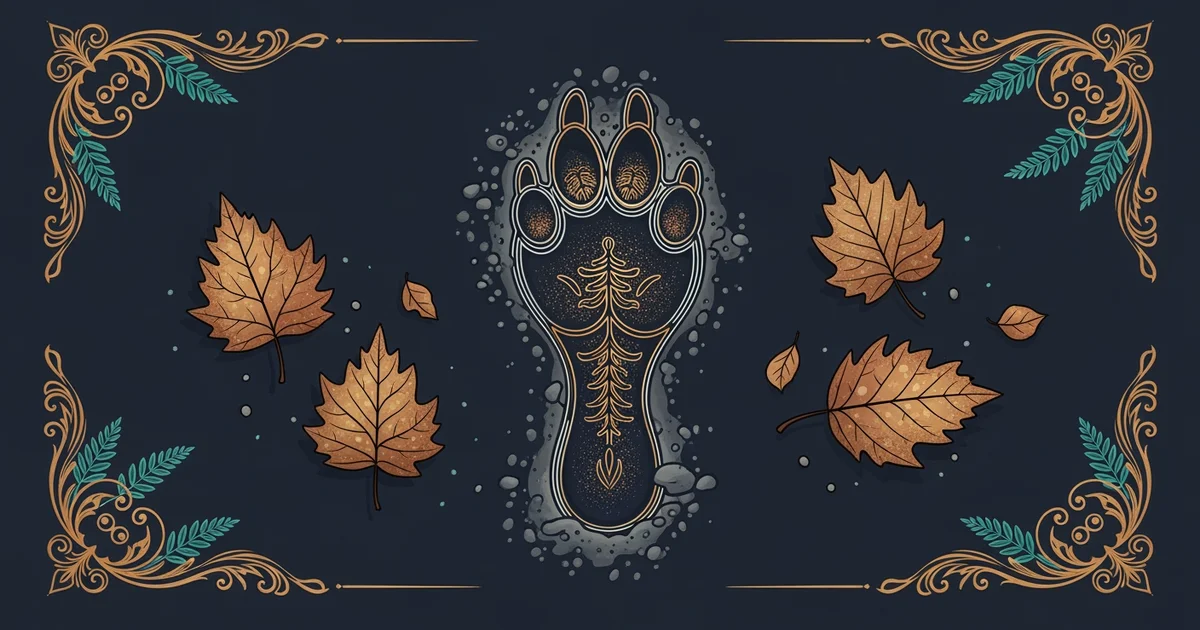
Imagine you are walking through a dense forest after a light rain shower. You notice a clear impression in the soft mud that looks like a hand. This tiny mark tells a complex story about the creature that passed by earlier. Every mammal possesses a unique design in its feet that helps it survive its environment. By studying these shapes, we can identify who walked here and how they moved. Understanding foot structure is like reading the signature of a wild animal left behind in the dirt.
Understanding Mammal Foot Types
When we look at mammal feet, we categorize them based on how they touch the ground. Some animals walk on their entire foot, while others use only their toes or even just the tips. This choice of movement is not random but reflects how the animal manages energy. Think of it like choosing shoes for different tasks. A hiker wears sturdy boots for long trips, while a runner prefers light shoes for speed. Mammals do the same thing by evolving specific foot structures that suit their daily needs.
Key term: Plantigrade — the movement style where a mammal places the entire foot, including the heel, flat on the ground.
Animals that use this method often have heavy, stable feet that support their body weight easily. Bears and humans share this trait, which provides great balance but limits top speed. Because the whole foot hits the ground, these animals can stand upright for long periods. They are not built for quick bursts of movement, but they excel at endurance and power. This structure helps them navigate uneven terrain without losing their footing or balance during their daily foraging tasks.
Categorizing Tracks by Morphology
Beyond just the way they walk, the physical arrangement of toes and pads provides vital clues. We look at the count and shape of these features to distinguish between species. Some tracks show five toes clearly, while others might hide a toe or merge them together. These variations are the primary way scientists classify the animals they cannot see directly. It is a systematic process of elimination that turns a simple muddy print into a clear biological identification.
| Foot Style | Primary Contact | Movement Advantage | Example Group |
|---|---|---|---|
| Plantigrade | Full foot | Stability | Bears, Humans |
| Digitigrade | Toes only | Speed | Dogs, Cats |
| Unguligrade | Tips of toes | Efficiency | Deer, Horses |
We can organize these styles into a clear hierarchy based on how they interact with the forest floor:
- Plantigrade animals rely on total surface contact to distribute weight across the whole foot area.
- Digitigrade creatures walk on their toes, which lifts the heel to create a longer, faster stride.
- Unguligrade species walk on the very tips of their hooves, which minimizes friction and maximizes travel distance.
Each of these categories reveals how the animal survives in its specific habitat. A predator like a wolf needs speed, so it evolved to walk on its toes. A grazer like a deer needs to cover vast miles, so it evolved hard hooves. By checking the number of toe marks and the presence of heel pads, you can determine which group left the print. This observation is the fundamental skill required for any tracker working in the field today.
Identifying the specific arrangement of toes and heel pads allows trackers to classify mammals by their unique movement strategies.
The next Station introduces Avian Tracking Methods, which determines how bird tracks differ from mammal prints.