
Defining the Study of Avian Life
Imagine a world where the morning song of a robin is silent and the skies remain empty of migrating wings. This absence would fundamentally alter how we perceive our natural landscapes and the delicate balance of our global ecosystems.
The Scope of Avian Study
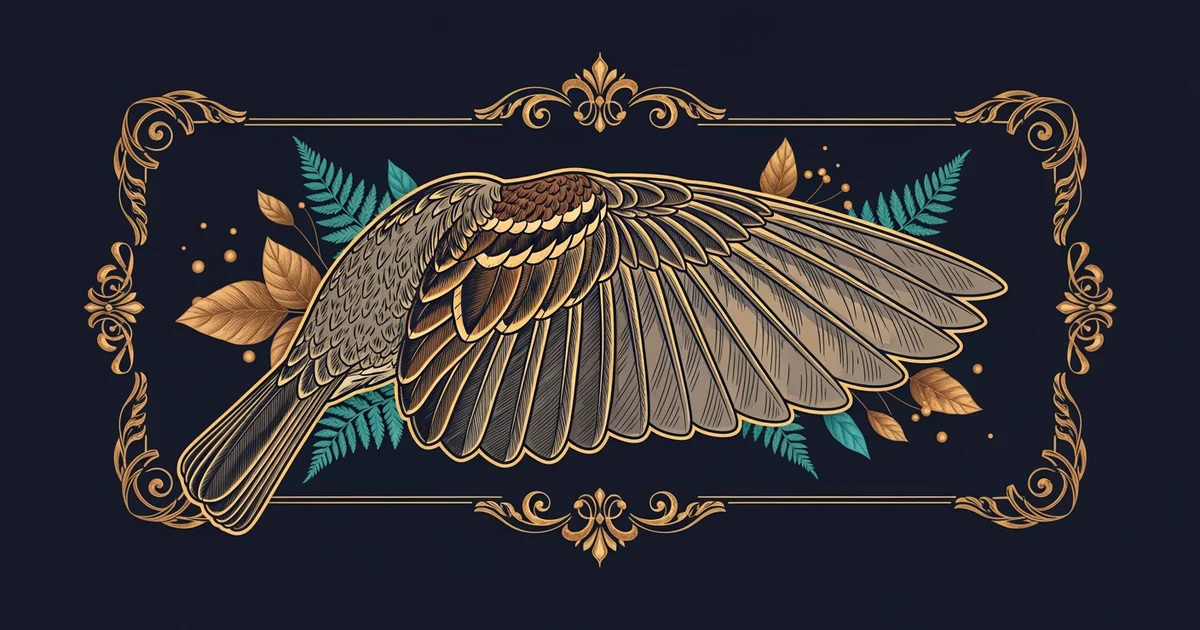
Ornithology acts as the dedicated branch of biological science focused on the study of birds. Scientists in this field explore everything from the intricate patterns of feather growth to the complex social structures birds form within their flocks. By examining these creatures, researchers gain vital insights into environmental health and biodiversity. Think of birds as the primary stock market indicators for the health of our planet. Just as a sudden drop in market values signals deeper economic trouble, a decline in local bird populations often signals hidden problems in the air, water, or soil of a specific region. Understanding these patterns allows experts to predict and mitigate ecological disasters before they become irreversible for other species, including humans.
Core Principles of Bird Science
Modern study relies on several key pillars that help classify and interpret the behaviors of various avian species. These principles allow scientists to organize vast amounts of data into usable frameworks for conservation and research purposes. Researchers often focus on the following core areas to build a complete picture of avian life:
• Behavioral ecology investigates how birds interact with their environments and each other, focusing on mating rituals, nesting habits, and complex communication methods that ensure survival.
• Physiology examines the physical and chemical processes occurring within bird bodies, such as how their unique respiratory systems allow for flight at high altitudes where oxygen is scarce.
• Conservation biology applies scientific data to protect endangered species, ensuring that human activities do not permanently disrupt the habitats these birds rely upon for breeding and migration.
Key term: Biodiversity — the wide variety of plant and animal life in a particular habitat or ecosystem.
Connecting Birds to Global Systems
Birds serve as essential links in the food web, acting as both predators and prey in diverse environments across the globe. They control insect populations that might otherwise devastate crops or spread disease to larger mammals. Furthermore, many birds act as pollinators or seed dispersers, which facilitates the growth of forests and grasslands that support countless other living organisms. When we study these animals, we are not just looking at feathers and flight. We are looking at the foundational mechanics that keep our world green and productive. Without the constant movement and activity of birds, many plant species would struggle to reproduce or spread to new, healthy territories. This constant labor keeps our natural systems functioning smoothly, proving that even the smallest bird plays a massive role in our daily survival and the stability of the entire planet.
| Feature | Biological Role | Impact on Ecosystem |
|---|---|---|
| Predation | Insect control | Prevents crop damage |
| Migration | Nutrient cycling | Connects distant habitats |
| Pollination | Plant reproduction | Sustains forest growth |
By tracking these features, we see how birds function as a global network of biological maintenance workers. Their presence ensures that nutrients circulate properly and that plant life continues to thrive across changing seasons. Studying them is therefore essential for anyone interested in the long-term sustainability of our natural world. By the end of this path, you will understand the deep evolutionary history of birds and how their complex lives influence the survival of every major ecosystem on Earth.
Ornithology provides the essential framework for understanding how birds maintain environmental health and support the complex systems that sustain life on our planet.
This foundation prepares you to explore the evolutionary origins that gave rise to the diverse avian species we observe in our modern world.