
Historical Perspectives
Imagine your brain as a rigid stone statue that never changes shape regardless of your life experiences. Many early scientists viewed the adult human brain as a fixed organ that stopped developing after childhood. They believed that once you reached a certain age, your neural pathways were permanent and set in stone. This view created a sense of hopelessness for those who wanted to improve their mental performance later in life. If the brain could not change, then learning new skills or recovering from injury seemed impossible. This perspective dominated early science for decades because it mirrored the way we build physical structures like bridges. We assume a bridge stays the same unless we tear it down and rebuild it from scratch.
Challenging The Static Brain Model
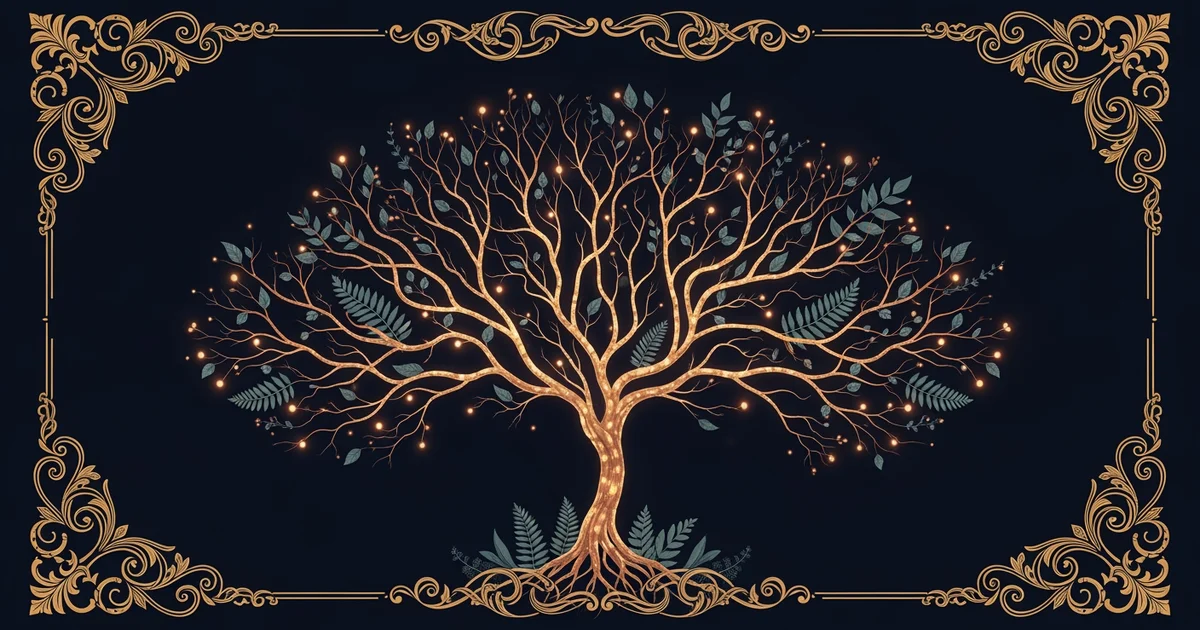
Modern research now completely rejects the idea that our brains function like static stone statues. We have discovered that the brain is more like a living, growing garden that requires constant care. Early researchers failed to see the microscopic changes occurring deep within the neural networks every single day. They lacked the advanced tools needed to observe how connections between cells strengthen or weaken over time. By assuming the brain was finished growing in early adulthood, they missed the most important biological secret of human potential. This old model caused people to ignore the massive power they had to influence their own cognitive growth. We now know that every thought, habit, and experience physically alters the structure of your internal network.
Key term: Neuroplasticity — the lifelong ability of the brain to reorganize its structure and connections in response to learning.
Your brain constantly adapts to the demands you place upon it through daily activity and focused practice. If you stop using specific mental skills, your brain naturally prunes those connections to save energy. This process is highly efficient because it ensures your limited resources go toward the most important tasks. Think of your brain like a busy city highway system that shifts lanes based on heavy traffic flow. When a specific route becomes popular, the city builds more lanes to accommodate all the new cars. If a road remains empty for months, the city eventually closes it to focus on busier paths. This dynamic adjustment is how your brain optimizes its performance to match your current lifestyle requirements.
Comparing Historical And Modern Views
| Feature | Static Brain Model | Dynamic Brain Model |
|---|---|---|
| Growth | Stops in childhood | Continues throughout life |
| Change | Rigid and permanent | Flexible and adaptive |
| Focus | Fixed physical paths | Evolving neural networks |
| Outcome | Limited potential | Unlimited learning capacity |
These two models represent a massive shift in how we understand our own biological potential today. The static model viewed the brain as a finished product that could only decline with age. In contrast, the dynamic model sees the brain as an unfinished project that you control every day. You can choose to build new paths by engaging in challenging tasks or learning complex new skills. This realization is the foundation for all modern cognitive optimization strategies used by high performers today. You are not a victim of your past biology because your future brain is still under construction.
Understanding this evolution in science helps you realize that your memory and focus are not fixed traits. You possess the agency to reshape your neural architecture through consistent and intentional daily mental effort. The old scientists were simply looking at the brain through a lens that was too narrow. They saw the shell of the structure but missed the vibrant life force pulsing within the cells. By embracing the dynamic model, you take full responsibility for the growth of your own cognitive power. Every choice you make today leaves a physical mark on your brain that lasts forever.
True cognitive optimization requires accepting that your brain remains a flexible, evolving system that responds directly to your daily actions.
Next, we will explore how your brain actively prunes unused connections to make room for new, more important information.