
Future Human Evolution
Imagine a world where your daily choices slowly rewrite the biological blueprint for every human being born after you. We often think of evolution as a slow process that stopped thousands of years ago, but our species remains a work in progress. Modern technology and changing environments create new pressures that push our bodies and minds in unexpected directions. By understanding these pressures, we can better predict how our social instincts might shift over the coming centuries.
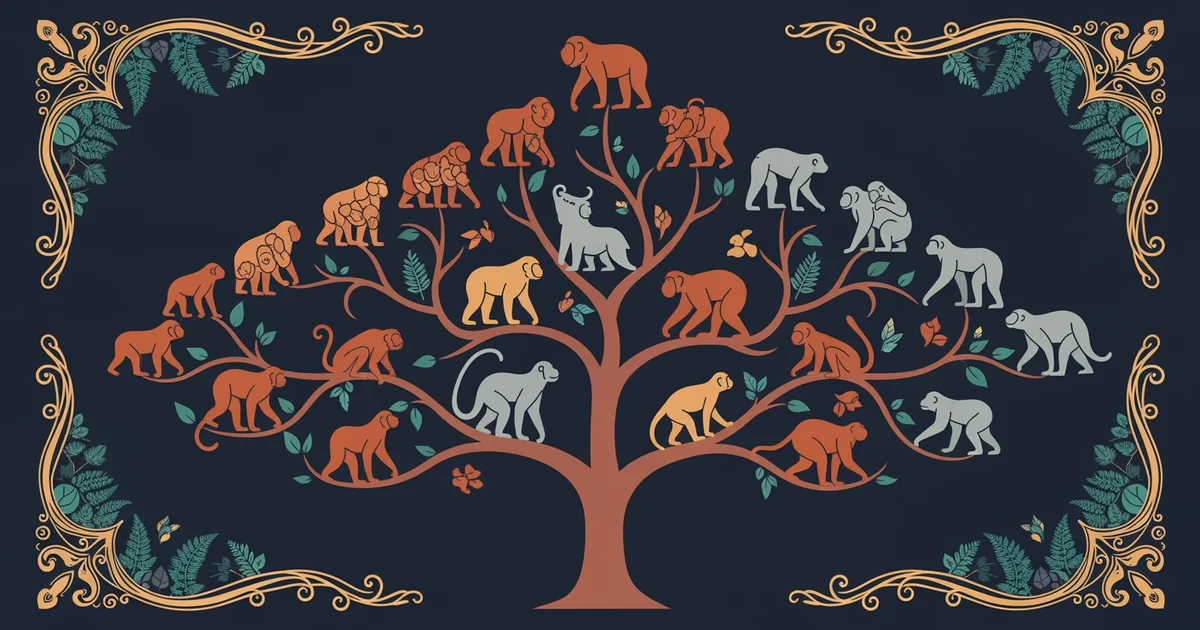
The Drivers of Biological Change
Evolution acts like a massive investment portfolio that shifts its assets based on the current market conditions of survival. In our ancestral past, physical strength and acute sensory perception provided the highest returns for human survival and reproductive success. Today, those same traits offer fewer advantages because our environment has changed to favor cognitive flexibility and digital literacy. We are currently witnessing a shift where social connectivity and the ability to process vast amounts of information become the primary traits for long-term success. This does not mean our physical bodies will vanish, but it suggests that our internal systems will prioritize mental endurance over physical raw power.
Key term: Selective pressure — the environmental factors that influence which traits become more common in a population over many generations.
We must consider how our reliance on tools alters our own biological development in the same way that a craftsman grows calluses on their hands. When we outsource our memory to digital devices, we change the way our brains store and retrieve vital information. This creates a feedback loop where our external inventions shape our internal neural pathways, leading to a future where human intelligence is deeply integrated with synthetic systems. If this trend continues, the definition of a human being might expand to include our technological extensions as part of our core biology.
Future Social Instincts and Cooperation
Our social instincts are the most powerful tools we have inherited from our ancestors, yet they face intense strain in our interconnected global society. We evolved to live in small groups where everyone knew each other, but we now operate in massive networks that span the entire planet. This creates a tension between our ancient desire for tribal belonging and our modern need for global cooperation. Future evolution will likely favor individuals who can bridge this gap by maintaining empathy across digital and physical boundaries. We are essentially learning to expand our circle of trust to include people we will never meet in person.
To understand how these social instincts might evolve, we can look at the following potential shifts in our collective behavior:
- Hyper-social adaptability allows individuals to navigate complex digital hierarchies without losing the capacity for deep personal connection in their local community.
- Extended cognitive empathy enables people to process the emotional states of diverse groups, which reduces conflict in large-scale societies that are increasingly global.
- Collaborative filtration helps people identify reliable information sources, which protects the group from the harmful effects of misinformation that spreads rapidly through modern networks.
These traits represent a departure from the survival-focused behaviors of our past, moving toward a model of collective stability. As we integrate these new social strategies, our biological responses to stress and reward will likely adjust to support these complex behaviors. We are moving away from a reactive survival mode toward a proactive management mode, where our social instincts serve as the primary defense against the challenges of a fast-paced, interconnected world. This evolution is not just about changing our genes, but about refining the way we express our ancient instincts in a modern context.
Future human evolution will likely prioritize cognitive flexibility and global social cooperation over the physical survival traits that defined our ancient ancestors.
Understanding the future of our species provides the necessary context for the ethical decisions we must make next.