
Defining the World of Insects
Imagine walking through a dense forest where every single step reveals a tiny, buzzing world hidden in plain sight. You might ignore these small creatures, but they actually perform the essential heavy lifting that keeps our entire planet functioning smoothly. From pollinating the crops that fill our grocery stores to breaking down old leaves into rich soil, insects are the silent workers of nature. Understanding their biological blueprint helps us see how they occupy every corner of the globe while maintaining the delicate balance of life.
The Anatomy of Success
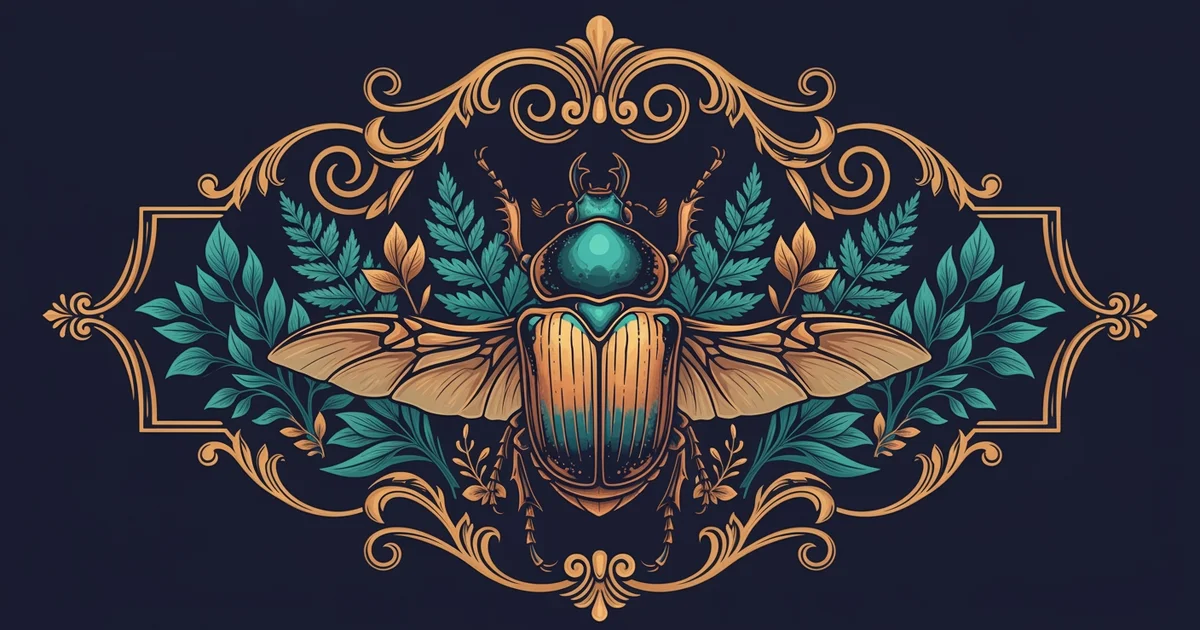
To identify an insect, you must look for a specific set of physical features that separate them from other small animals like spiders or worms. Every insect possesses a rigid outer shell known as an exoskeleton that provides structural support and protection against the harsh environment. Think of this shell like a suit of armor for a knight, which keeps the soft body safe while allowing the creature to move with precision. Inside this shell, the body is divided into three distinct segments: the head, the thorax, and the abdomen. Each section serves a specialized purpose, such as sensing the surroundings or housing the organs needed for digestion and reproduction.
Key term: Exoskeleton — the hard, protective external layer that supports an insect's body and prevents it from drying out in the air.
Beyond these three body regions, insects share a common set of appendages that define their movement and interaction with the world. You can count these features to quickly distinguish an insect from other common garden visitors that might look similar at first glance.
- An insect always features six legs attached directly to the middle segment, which is the thorax, enabling them to crawl or climb effectively.
- Most adult insects possess two pairs of wings, although some species have evolved to lose them or modify them for different environmental needs.
- They utilize a pair of antennae on their heads to detect chemical signals, allowing them to find food sources or potential mates across long distances.
Systems for Survival
Because insects lack lungs like humans, they rely on a unique network of tubes to transport oxygen directly to their tissues. This system of tiny holes along their sides, called spiracles, allows air to enter the body and reach cells without needing a complex heart or blood vessels. This efficient design acts much like a ventilation system in a large building, ensuring every room receives fresh air without wasting energy on heavy mechanical pumps. By removing the need for a heavy internal skeleton and a complex circulatory system, insects remain light enough to fly or hide in the smallest crevices.
| Feature | Insect Trait | Primary Function |
|---|---|---|
| Legs | Six | Locomotion and balance |
| Body | Three parts | Organs and structure |
| Sensory | Antennae | Chemical detection |
This structural simplicity allows insects to adapt to extreme conditions, from scorching deserts to freezing mountain peaks, better than almost any other animal group. While they seem small and fragile, their biological efficiency makes them the most successful class of animals on Earth. They do not just survive in our world; they actively build the environments that support all other forms of life, including our own. By learning these basic physical traits, you gain a new perspective on the complex machinery operating beneath your feet every single day.
The insect body is a masterpiece of efficiency, utilizing a segmented design and a lightweight external shell to thrive in almost every environment on Earth.
By the end of this learning path, you will understand how insects have evolved over millions of years to become the primary architects of our global ecosystem.