
Nucleic Acid Information
Imagine you are trying to build a complex machine using only two different types of instruction manuals. One manual is locked in a vault for permanent storage, while the other is a photocopy meant to be carried around the factory floor. This is exactly how your cells manage the vital information that keeps you alive every single day. Your body uses two distinct types of molecules to store and share the blueprints for every protein you need to function. Understanding these blueprints helps explain how tiny chemical reactions inside our cells create the complex life we see every single day.
The Structure of Genetic Blueprints
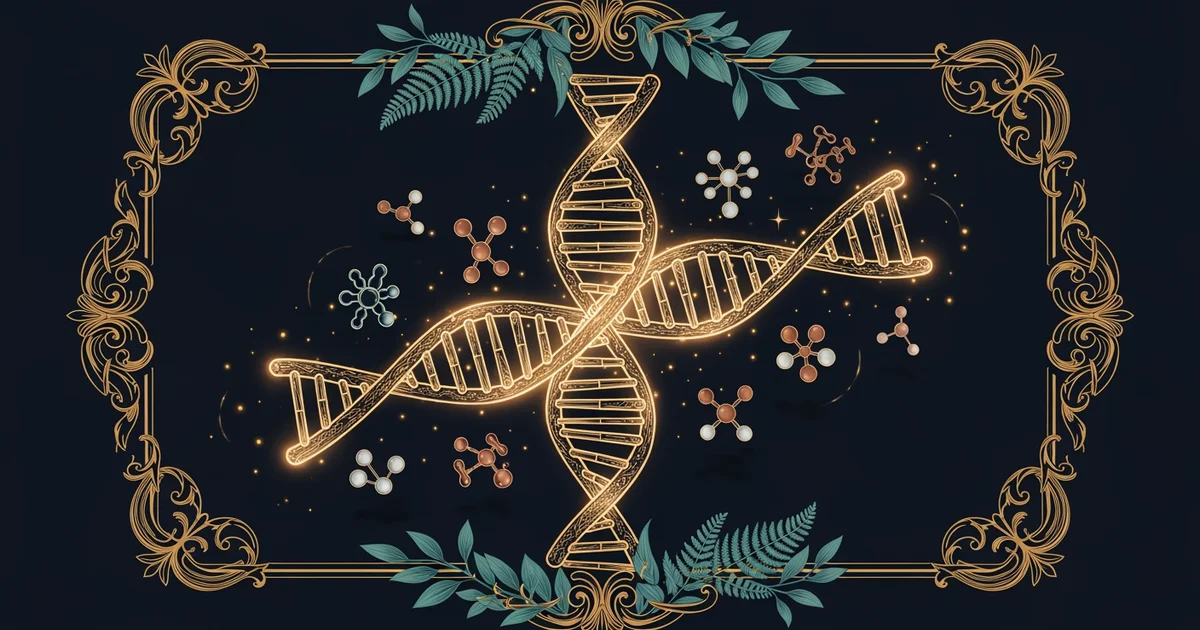
At the heart of every cell, you will find deoxyribonucleic acid, which serves as the permanent master copy of your genetic data. Think of this molecule like a heavy, leather-bound encyclopedia that stays safely in the library while you work. It uses a double-stranded structure, which looks like a twisted ladder, to keep the information secure and stable. This stability is crucial because your cells cannot afford to lose or scramble the instructions for building essential proteins. By pairing specific chemical bases together, the molecule ensures that its delicate data remains protected from accidental damage or chemical errors over long periods.
While the master copy stays safe, your cells need a way to read those instructions to build proteins in the busy cytoplasm. This is where ribonucleic acid plays a vital role as a temporary, single-stranded messenger that carries information out of the library. Unlike the permanent master copy, this messenger molecule is much shorter and designed for quick turnover and rapid use. It copies the necessary segments of the master manual so the cell can start building proteins immediately. Because it is single-stranded, it can easily move through the small pores of the cell nucleus to reach the machinery that builds your body parts.
Comparing Molecular Characteristics
The differences between these two molecules are not just about their shape or their location inside the cell. They also contain slightly different chemical components that change how they interact with their environment and how long they last. You can visualize the differences by looking at how they store their chemical bases and their physical form.
| Feature | Master Copy (DNA) | Messenger Copy (RNA) |
|---|---|---|
| Strands | Double-stranded | Single-stranded |
| Sugar | Deoxyribose | Ribose |
| Bases | A, T, C, G | A, U, C, G |
| Purpose | Permanent storage | Temporary message |
These chemical differences are essential for the cell to distinguish between a permanent record and a fleeting instruction. For example, the use of a different sugar molecule makes the messenger copy more reactive and less stable than the master copy. This might seem like a flaw, but it is actually a clever design feature that prevents the cell from running old instructions forever. Once the protein is built, the cell can easily break down the messenger molecule to clear space for new, updated instructions.
Key term: Nucleotide — the basic building block of both DNA and RNA consisting of a sugar, a phosphate group, and a nitrogenous base.
By using these two distinct systems, your cells can keep the master plan safe while still allowing for the constant production of new materials. If the cell tried to use the master copy for every single task, the risk of tearing or corrupting the original instructions would be far too high. Instead, the cell treats the master copy as a protected treasure and the messenger copy as a disposable note. This efficient division of labor ensures that your body can respond to changing needs while maintaining the integrity of its core identity.
Genetic information relies on a stable master record for long-term storage and a flexible, temporary messenger for active protein construction.
The next Station introduces enzymatic reaction rates, which determines how fast these genetic instructions are converted into the proteins your body needs to survive.