
The Blue Planet Foundation
Imagine you are standing on a vast beach watching the tide move slowly across the sand. You might notice the small crabs scurrying near the water or the seaweed left behind by the waves. These creatures live in very different spaces within the ocean, yet they all depend on the health of the entire global water system. Understanding where life exists in the ocean helps us see how every part of the planet stays connected.
Understanding Marine Zones
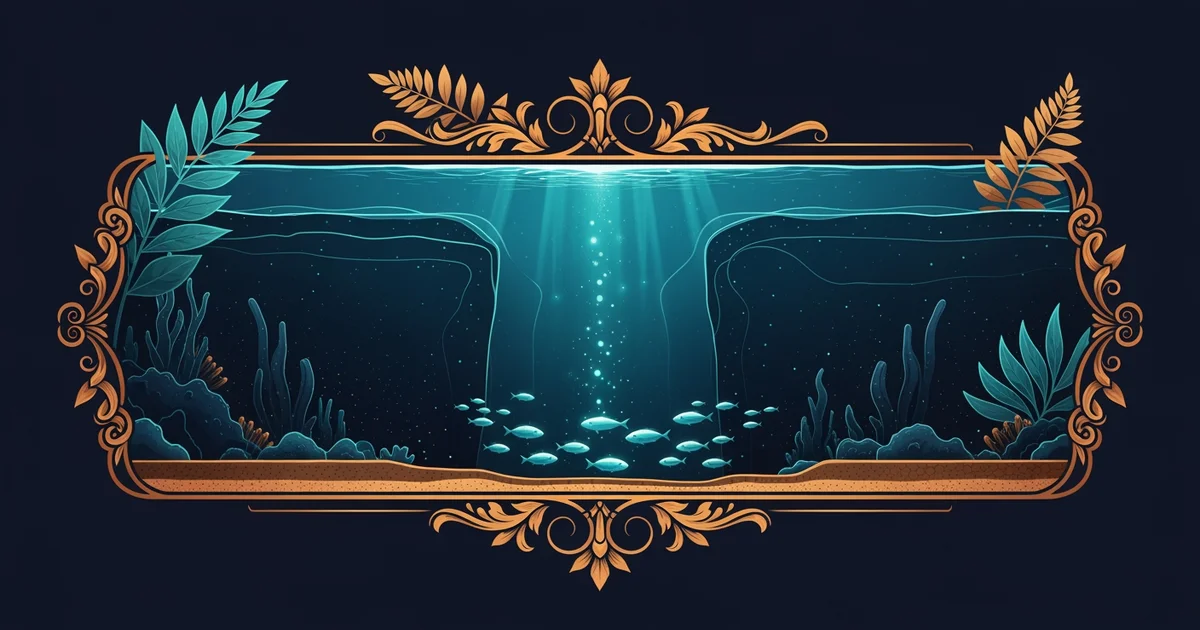
Scientists divide the massive ocean into distinct sections to study how different organisms survive in their unique environments. The most important division separates the open water from the seafloor. We call the open water area the pelagic zone, which includes everything from the surface down to the deepest parts of the water column. In this zone, life must either swim or float to stay within reach of food or sunlight. Think of this zone like the open air of a large city where birds fly and people move between buildings. It is a vast, three-dimensional space where movement is constant and essential for survival.
In contrast, the benthic zone includes the entire bottom surface of the ocean, ranging from the shallow shorelines to the deepest trenches. Organisms living here are often attached to the ground or crawl along the sediment. Unlike the open water, the seafloor provides a solid foundation for life to anchor itself. Imagine this zone like the ground level of a city where the shops, homes, and roads are built to stay in one place. Both zones rely on each other to keep the ocean ecosystem functioning properly as a whole.
To make these zones easier to understand, we can look at how they differ in terms of their physical characteristics and the types of life they support:
- The pelagic zone contains the water column itself, allowing for free-swimming animals like tuna or jellyfish to travel long distances across the globe.
- The benthic zone consists of the seafloor environment, which supports organisms like starfish, corals, and bottom-dwelling fish that rely on the sediment for shelter.
- These two zones interact constantly because organic matter from the surface eventually sinks down to provide energy for the creatures living on the bottom.
Key term: Marine ecosystem — the complex community of living organisms that interact with their physical environment in the ocean to maintain a balanced and healthy habitat.
Comparing Marine Environments
When we compare these zones, it becomes clear that life adapts to its specific location in ways that ensure survival. The following table highlights the main differences between these two primary regions of the ocean:
| Feature | Pelagic Zone | Benthic Zone |
|---|---|---|
| Location | Open water column | Ocean floor surface |
| Movement | Swimming or floating | Crawling or attached |
| Primary food | Plankton and small fish | Falling organic matter |
This table shows how the environment dictates the behavior of the animals living there. If you are a swimmer in the pelagic zone, you must move to find food. If you live on the benthic floor, you wait for food to come to you from above. This simple difference in lifestyle explains why ocean life looks so diverse across different depths. By studying these zones, we learn how human actions might affect the delicate balance of these underwater neighborhoods. This entire learning path will provide you with a comprehensive understanding of how marine ecosystems function and why they are vital to our world.
Marine life thrives by adapting to either the open water column or the stable surface of the seafloor.
This foundation prepares you to explore how the chemical makeup of water influences where and how these organisms live.