
Power Requirements for Mining
Imagine you are running a remote factory in the deep desert where the sun never sets. You need constant electricity to keep your heavy machines running through the long, cold lunar night. Without a steady supply of energy, your mining equipment stops working and your entire operation grinds to a halt. This challenge is the most important hurdle we face when trying to build a permanent home on the Moon. We must balance the need for massive power with the difficulty of moving heavy fuel loads across space.
Understanding Energy Demands for Lunar Mining
To extract materials from the lunar surface, mining equipment requires significant amounts of raw electrical power. This energy drives mechanical drills, conveyor belts, and chemical processors that turn lunar dirt into useful fuel or building supplies. Because lunar mining sites are often located near the poles to find frozen water, the environment is harsh and unforgiving. Engineers must design systems that handle extreme temperature swings while maintaining a high output of electricity. A single mining site might require several megawatts of power to operate at a scale that makes sense for long-term human settlement.
Key term: In-situ resource utilization — the practice of collecting and processing raw materials found on a planetary body to create fuel or building supplies.
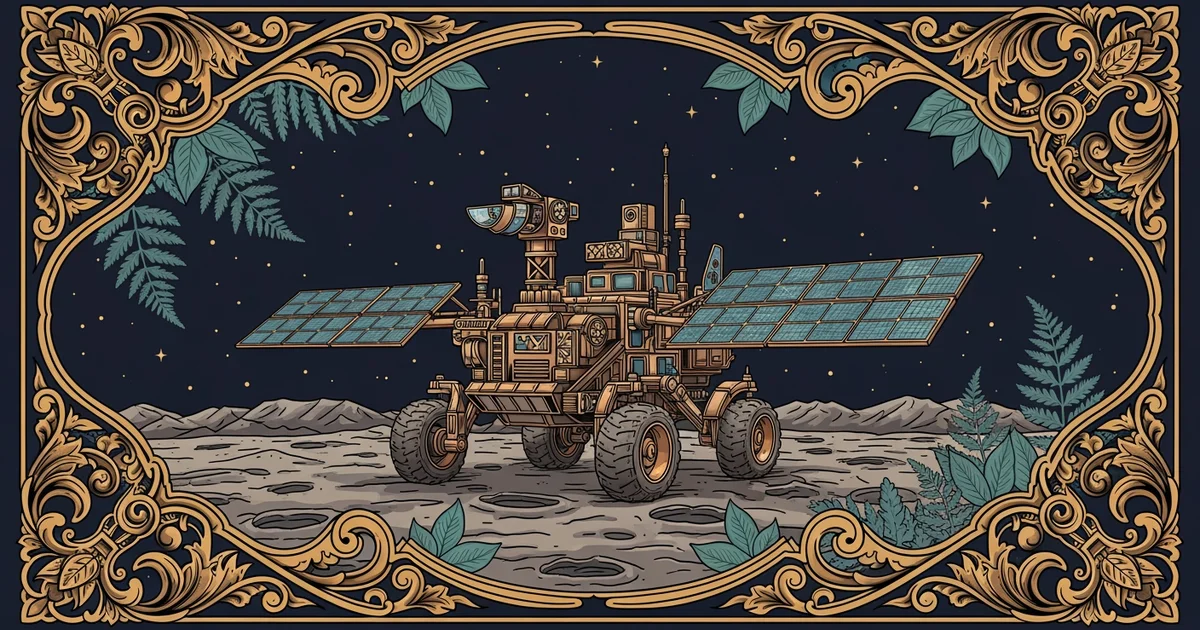
When we plan for these industrial sites, we must decide between different ways to generate electricity. Solar arrays are a common choice because they use the abundant light hitting the lunar surface. However, solar panels are limited by the rotating nature of the Moon and the long periods of darkness at many locations. If you rely only on the sun, you must build massive battery banks to store power for the dark periods. This makes the equipment heavier and much harder to transport from Earth to the Moon.
Comparing Power Sources for Industrial Operations
Choosing the right energy source is like deciding between a small portable battery and a large, permanent power plant for your home. If you choose the battery, you have freedom but limited capacity. If you choose the plant, you have endless power but high setup costs. For lunar mining, nuclear fission reactors offer a way to generate steady, high-density power regardless of the sun's position. These reactors provide a constant flow of energy that keeps heavy machines running without the need for massive storage systems.
We can compare these two main power options based on their performance in a lunar environment:
| Feature | Solar Power | Nuclear Fission |
|---|---|---|
| Reliability | Depends on light | Constant output |
| Weight | High with storage | Low per megawatt |
| Setup Time | Quick assembly | Complex logistics |
Using nuclear power allows for smaller, more efficient mining sites that do not need to chase the sun. While solar power is great for small missions, it struggles to meet the high demands of industrial mining. The trade-off is clear: nuclear systems are harder to launch and maintain, but they provide the reliable energy needed for true space manufacturing. Engineers must carefully weigh these factors to ensure that mining operations can survive the harsh lunar night without failing.
Ultimately, the choice depends on how much material we need to extract and how quickly we must process it. If we want to sustain a large base, we need the high energy density that only nuclear power can currently provide. This allows us to scale up our mining efforts and create a sustainable supply chain for future explorers. By solving this power puzzle, we unlock the ability to turn lunar resources into the lifeblood of our expansion into the solar system.
Reliable energy for lunar mining requires balancing the constant but complex output of nuclear reactors against the simple but intermittent nature of solar arrays.
But what does it look like in practice when we try to manage these massive machines from millions of miles away?
Want this with sources you can check?
Premium Learning Paths for Astronomy & Space Exploration are researched against open-access libraries — PubMed, arXiv, government databases, and more — with their distinctive claims cited to real sources and independently checked.
See what Premium includesGo Deeper · Amazon
Keep going with Solar Energy
Browse Solar Energy on Amazon ↗As an Amazon Associate we earn from qualifying purchases. #ad