
The Future of Space Hubs
Floating in the silent void, we must transform raw materials into survival gear to sustain human life. Building a moon base requires more than just shipping heavy steel parts from our home planet.
Integrating Manufacturing and Habitat Design
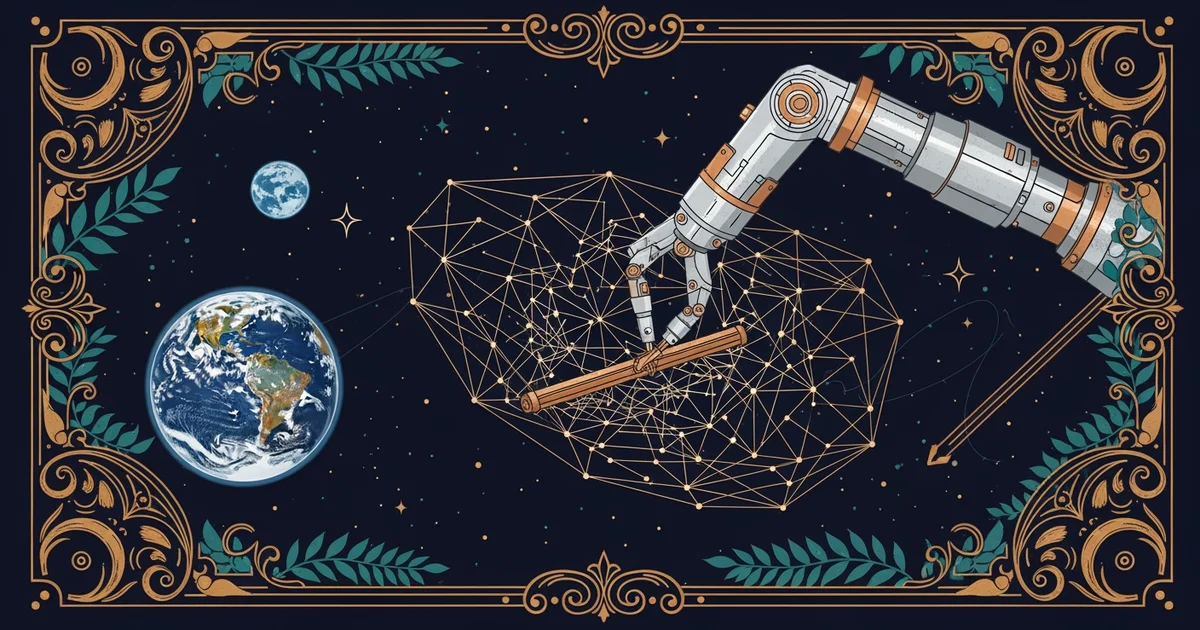
To build a permanent home in space, we must treat the station as a living workshop. By combining In-Situ Resource Utilization with automated assembly, we turn local space dust into structural beams. This process mirrors how an architect might build a house using only the timber found on the building site. Instead of relying on expensive rockets, we create tools using the very materials we find on the surface. This approach reduces the launch mass significantly while increasing our ability to repair systems on site. We previously explored how large-scale structures could float in orbit. Now, we must integrate those giant frames with the precision of a small, automated printing lab. This creates a bridge between massive construction and the tiny, intricate parts needed for life support. If we can print a replacement valve on demand, we no longer need to store thousands of spare parts. This shift in strategy defines the future of all deep space outposts.
Key term: In-Situ Resource Utilization — the practice of collecting and processing local materials to create essential products instead of transporting them from Earth.
Designing for Self-Sustaining Operations
Once we master the ability to print parts, we must ensure the workshop can sustain itself indefinitely. A self-sustaining workshop requires a closed-loop system where waste becomes a new input for the printer. Think of this like a kitchen where every food scrap is composted to fertilize the next harvest. By reusing plastic waste and metal scraps, we minimize the need for supply missions from our home planet. This creates a circular economy that keeps the hub operational even when resupply ships cannot arrive. We must consider how these systems interact across several key areas of station maintenance:
- Material Recycling: Systems break down used polymers into raw filament for printers to create new, functional replacement parts.
- Automated Assembly: Robotic arms move printed pieces into place to expand the habitat without requiring dangerous human space walks.
- Energy Regulation: Solar arrays provide the power needed to melt raw materials while managing heat generated during the printing process.
These systems must work together to ensure the habitat remains safe for the crew at all times. When a printer malfunctions, the assembly robot must diagnose the issue and print its own replacement components. This level of autonomy is the only way to ensure we can survive far from our home base.
| System Type | Primary Input | Output Product | Maintenance Need |
|---|---|---|---|
| Printing | Raw Regolith | Structural Beams | High Precision |
| Recycling | Plastic Waste | New Filament | Constant Power |
| Assembly | Printed Parts | Habitat Modules | Robotic Logic |
We must ask ourselves how much human oversight is actually required for these machines to function. If we build a station that can fix itself, we reduce the danger to the crew during long missions. The tension between human safety and machine autonomy remains a central challenge for engineers today. We have learned to build the structures, but we have not yet solved the problem of total machine independence. This is the next frontier for our species as we look toward the stars and plan our future homes.
True independence in space requires merging local material collection with autonomous systems that recycle waste into vital components for habitat growth.
The next phase of our journey will focus on the complex pathways needed to establish permanent life on other planetary surfaces.