
The Balanced Urban Landscape
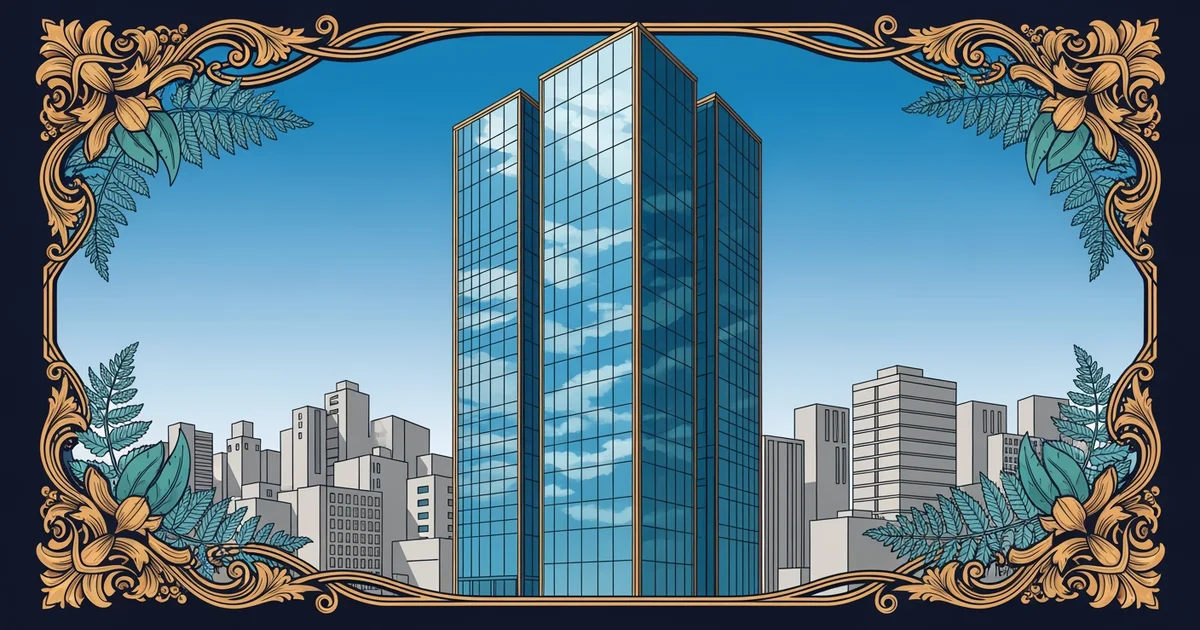
Walking through a modern city center often feels like stepping into a giant, repeating pattern. You might see the same glass towers and steel frames in New York, Tokyo, or London. This visual sameness happens because architects rely on global standards to ensure safety and efficiency. These buildings act like a fast-food chain menu that offers the exact same burger regardless of your location. While this consistency makes construction faster, it often ignores the unique history or climate of the local area. When we prioritize speed and cost over local character, our cities lose the distinct personality that once defined them.
The Drivers of Global Design
Global architectural trends emerge because developers want to minimize risk during the building process. By using tested designs and materials, they avoid the uncertainty that comes with custom, site-specific projects. This reliance on homogenization creates a predictable urban environment that feels familiar to international travelers. Think of it like shopping at a national retail store where the layout is identical in every state. You know exactly where to find the socks, but you lose the thrill of discovering a unique local shop. Developers argue that this efficiency is necessary to house growing populations in a competitive global market.
Several factors force modern skylines to look identical across the globe:
- Building codes require specific structural standards that favor steel and glass materials over local stone or wood.
- Financial investors prefer designs that have proven their value elsewhere to ensure a high return on their money.
- Global supply chains make it cheaper to import standard components rather than sourcing unique materials from local artisans.
- Architectural software promotes standardized shapes that are easy to model but lack the nuance of traditional building styles.
These factors combine to create a landscape where the primary goal is function rather than artistic expression. We see a shift where the building becomes a product instead of a piece of local culture. When every city follows this pattern, the skyline becomes a generic placeholder rather than a reflection of its people.
Balancing Identity and Progress
Moving toward a balanced urban landscape requires us to rethink how we value our physical surroundings. We must find ways to integrate modern technology with the unique cultural markers that define a specific place. If we only focus on utility, we risk building cities that feel hollow and disconnected from their residents. A truly successful city should feel like a custom-tailored suit rather than a mass-produced garment. This balance between progress and local identity is the greatest challenge for the next generation of architects and urban planners.
| Design Element | Standardized Approach | Balanced Approach |
|---|---|---|
| Materials | Imported glass/steel | Local stone/timber |
| Geometry | Simple rectangular | Contextual shapes |
| Purpose | Maximum profit | Community value |
Key term: Urban identity — the unique combination of history, culture, and geography that gives a city its distinct character.
Creating a balanced landscape involves more than just adding decorative features to a glass box. It requires architects to study the local climate and use materials that age gracefully in that specific environment. We must stop viewing local history as a barrier to development and start seeing it as a design asset. When we build with the local context in mind, we create spaces that people actually want to protect and inhabit for generations. The future of our cities depends on our ability to value human experience over the convenience of a global template.
True urban progress requires blending modern technical efficiency with the specific cultural and environmental traits that make a place unique.
Modern cities must move beyond global templates to foster a sense of place that reflects the people who live there.