
Corporate Branding and Architecture
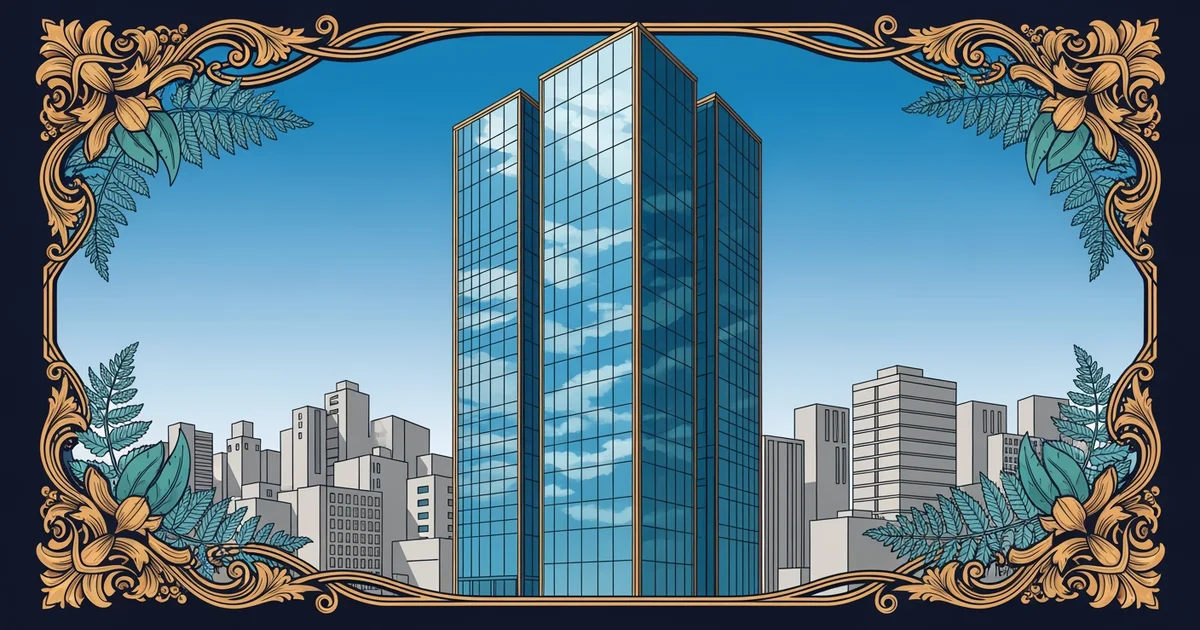
Modern office towers often look like identical glass boxes because companies want their buildings to project a specific image of professional success. When a corporation builds a new headquarters, they view the structure as a giant advertisement for their brand identity. By choosing sleek glass surfaces, firms signal that they are modern, transparent, and efficient to every person who walks past the site. This desire for a consistent visual brand creates a global look that ignores local culture or history entirely.
The Role of Corporate Identity in Design
Companies often use their physical office space to communicate values like power, innovation, and stability to their clients. Just as a person chooses clothing to project a certain style, a business selects architectural features to reflect its core mission. If a brand wants to appear cutting edge, it will likely choose a design that looks drastically different from traditional stone or brick masonry. Designers translate these abstract business goals into physical shapes by selecting materials that represent high technology and corporate wealth. These choices lead to a standardized aesthetic where buildings in Tokyo look exactly like those found in London or New York.
Key term: Corporate Identity — the set of visual elements and architectural choices that a company uses to establish a recognizable brand image in the public eye.
Think of a company headquarters like a high-end business suit that a professional wears to an important meeting. A suit tells the world that the person is serious, organized, and ready for high-stakes work. Similarly, a glass skyscraper acts as a professional suit for a firm, telling the public that the business is wealthy and dominant. If every company in a specific industry wears the same style of suit, they all start to look like part of a single, uniform crowd. This competitive pressure forces firms to copy the most successful designs to ensure they appear just as powerful as their rivals.
Glass Facades as a Branding Tool
Building managers favor glass facades because they offer a clean, uniform look that projects an image of professional clarity. These exterior walls allow light to fill the office, which serves as a metaphor for an open and honest corporate culture. Because glass is a manufactured material, it provides a level of consistency that natural stone cannot easily match across different global sites. The following list explains why this material remains the top choice for major corporations aiming to maintain a unified global presence:
- Uniformity of light: Large glass panels create a bright interior environment that suggests a company is transparent and modern.
- Ease of reproduction: Engineers can replicate glass curtain walls in any city, ensuring the brand looks the same everywhere.
- Visual prestige: The reflective nature of modern glass gives buildings a polished look that signals high economic status.
This reliance on glass creates a feedback loop where every new building reinforces the existing trend of the modern skyline. When a firm decides to build a new office, they look at existing successful towers to define their own project requirements. This process ensures that the building meets the expectations of shareholders who equate glass towers with financial success. By prioritizing these corporate branding needs, architects often sacrifice local design traditions to satisfy the global demand for a uniform, high-tech appearance. The final result is a city landscape that feels disconnected from its geography but perfectly aligned with the needs of global business.
Modern architecture creates identical city skylines because corporations prioritize a uniform, high-tech brand image over unique local design traditions.
The next Station introduces technological constraints of glass, which determines how these large transparent facades are actually constructed and maintained.