
Defining Universal Design
Imagine you walk toward a heavy glass door while carrying two large boxes of supplies. You reach out with your foot to nudge the door open because your hands are completely full. If the door has a simple push plate instead of a round knob, you pass through without needing to set your items down. This design choice does not just help you in that moment of struggle. It makes the building easier for someone using a wheelchair or a person pushing a heavy cart. Good design considers how different people move through the world and removes barriers before they become problems.
The Philosophy of Inclusive Environments
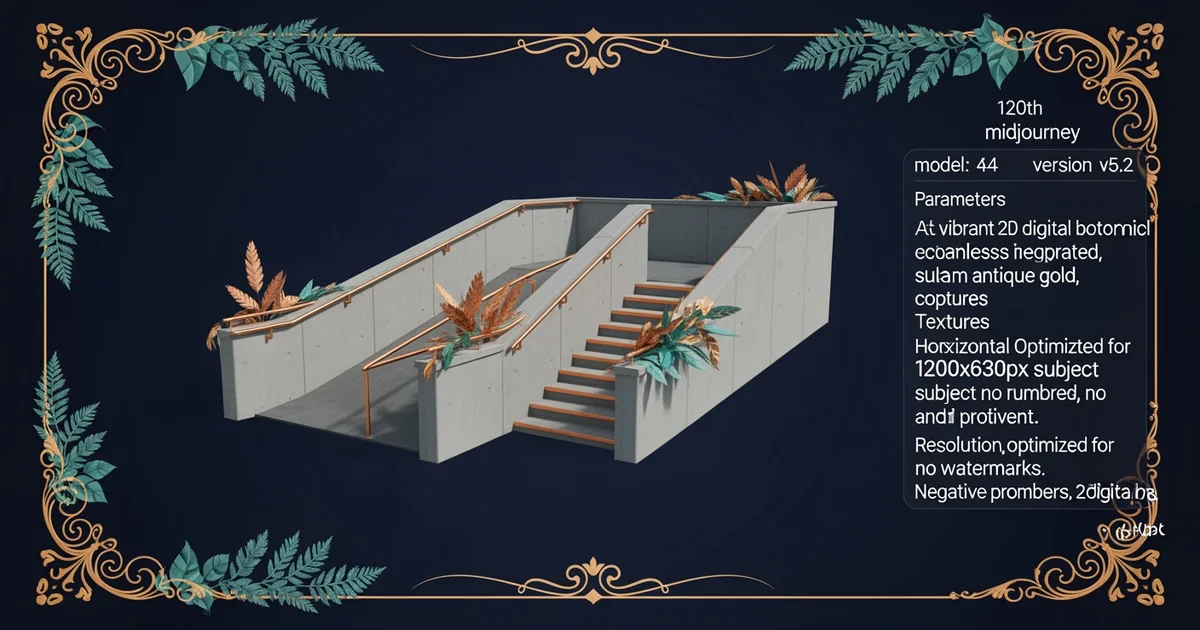
When we talk about universal design, we refer to the creation of products and spaces that everyone can use. It moves away from the idea that we should build for the average person while adding special tools for others later. Instead, we start with the goal of creating one solution that works for the widest range of human abilities. Think of this like building a sidewalk with a ramp at the corner instead of just stairs. The ramp helps a person in a wheelchair, but it also helps a parent with a stroller or a traveler pulling a heavy suitcase. By designing for everyone from the start, we create a world that feels natural and welcoming for all users.
Key term: Universal design — the practice of creating environments and products that are usable by all people to the greatest extent possible.
Building spaces this way saves money and effort in the long run because retrofitting is often expensive. Many designers mistakenly believe that inclusive spaces look clinical or strange, but the best examples are often invisible. You have likely used many universal features today without noticing them at all. A light switch that is a large flat panel instead of a small toggle is easier for a child or someone with limited hand strength to operate. These small changes improve the experience for every single person who enters the room. We stop seeing accessibility as a separate requirement and start seeing it as a standard of quality.
Applying Seven Principles to Daily Life
To understand how this works in practice, we look at seven core principles that guide architects and creators. These rules ensure that our designs remain flexible and intuitive for people with varying needs. When we follow these guidelines, we create a baseline for safety and comfort that benefits the entire community. We can organize these concepts by how they influence the way we interact with our surroundings every single day.
| Principle | Goal | Benefit |
|---|---|---|
| Equitable | Avoid stigma | Everyone feels included |
| Flexible | Choice of use | Fits different habits |
| Simple | Easy to learn | Reduces mental stress |
We must also consider the physical effort required to use our tools and spaces. If a design requires too much force, it excludes people who have less physical strength or stamina. A door that opens automatically or a faucet that turns on with a light touch allows more people to maintain their independence. We should also ensure that there is enough physical space for people to move around comfortably while using assistive devices. By focusing on these details, we build a foundation where no one feels left behind or unable to participate fully in public life.
Designing for everyone requires us to think beyond our own personal experiences and limitations. We must observe how others move, reach, and interact with the physical world around them. When we prioritize this mindset, we stop viewing accessibility as a chore and start viewing it as a creative challenge. This path will give you the tools to analyze any space and understand how it either invites or excludes the people who live within it.
Universal design creates inclusive environments by removing barriers for everyone from the start rather than adding special accommodations later.
This foundation sets the stage for our next step, where we will explore the historical origins of these ideas and how they changed modern architecture.
Go Deeper · Amazon
Keep going with Universal Design
Browse Universal Design on Amazon ↗As an Amazon Associate we earn from qualifying purchases. #ad