
Modern Challenges
When the local library in a small town closes its doors early due to budget cuts, the residents lose more than just a quiet place to read books. This loss represents the erosion of a vital social anchor that once supported community interaction for students and seniors alike. Without these spaces, people retreat into isolated bubbles, which limits the chance encounters that build social capital. This is the social fragmentation effect, which stands in direct contrast to the healthy third places we explored back in Station 11.
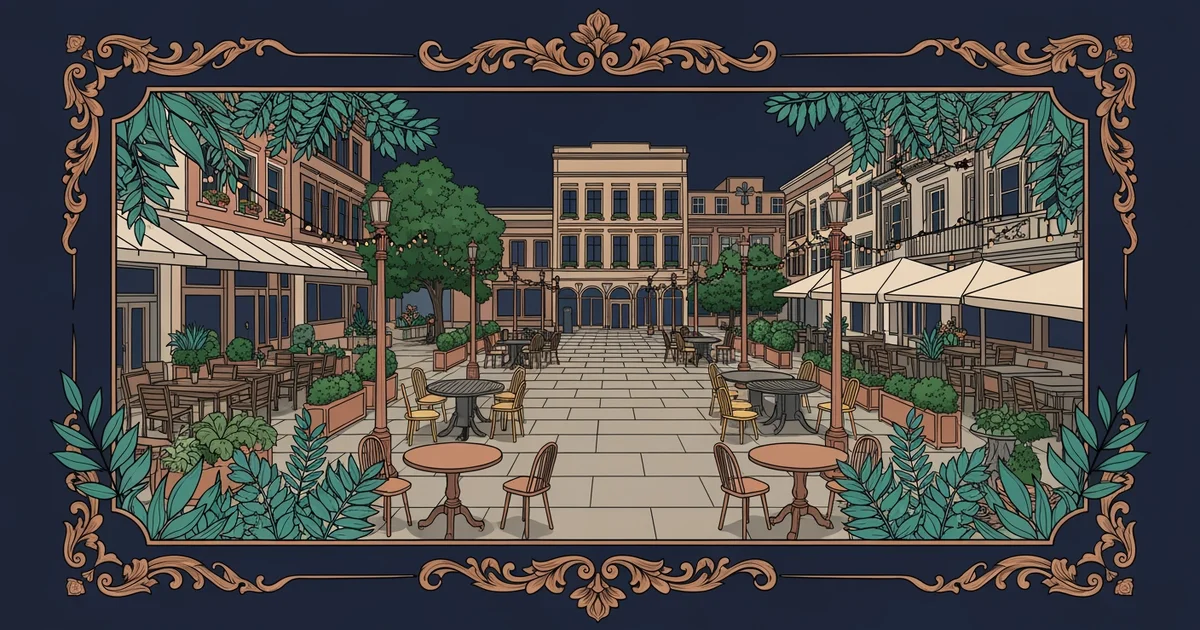
The Erosion of Accessible Public Space
Public gathering spots face severe threats today because many owners prioritize profit over community needs. Commercial spaces often require a purchase just to sit down, which creates a financial barrier for many people. This shift turns a welcoming public square into a restricted club where only those with money are allowed to stay. Think of this like a toll road that suddenly appears on a path you previously walked for free. The toll does not just cost money, but it also discourages people from taking the journey altogether. When these barriers rise, the diversity of the crowd drops, and the social fabric starts to fray. We must recognize that shared space is a public good, not merely a product to be sold to the highest bidder.
Key term: Privatization — the process of transferring public spaces into private ownership, which often restricts access based on a person’s ability to pay for services.
Modern urban planning often ignores the human need for unstructured time spent in public view. Designers frequently favor high-speed transit and efficient commercial zones over the slow, lingering spaces that foster deep social ties. This focus on efficiency treats humans like data packets moving through a network rather than social beings needing connection. When we design cities only for productivity, we accidentally design away the moments where neighbors meet and friendships form. This neglect creates a desert of interaction where people live side by side but remain total strangers to one another.
Identifying Modern Threats to Gathering
Several specific factors actively work against the survival of these essential community hubs. These threats often appear subtle, yet their combined impact permanently alters how we inhabit our neighborhoods and cities:
- Rising commercial rents force independent businesses to close, which replaces unique community hubs with generic chain stores that lack any local social character.
- Increased surveillance and strict loitering laws discourage people from simply existing in public spaces without a clear purpose or a planned transaction.
- Digital displacement shifts human interaction toward screens, which reduces the perceived value of physical venues and leads to the decline of local community centers.
These factors create a cycle where public spaces become less useful and then lose the funding needed to remain open. As these places disappear, the community loses the physical ground required to build trust and shared identity. We are essentially trading our collective social health for a temporary gain in commercial efficiency or digital convenience. This trade-off is rarely worth the cost when the long-term result is a lonely and disconnected population. We must prioritize the preservation of these spaces to ensure that our neighborhoods remain vibrant and truly connected.
Preserving public social spaces requires resisting the pressure to turn every square inch of our shared environment into a space for commercial profit.
But this model of preservation faces a major challenge when we try to apply it to neighborhoods that are already heavily impacted by rapid gentrification.