
Future Trends in Prefab
Imagine a world where your apartment building grows like a living organism, adding new rooms as your family expands. Prefabricated construction is moving away from static boxes toward dynamic, adaptable structures that change based on human needs.
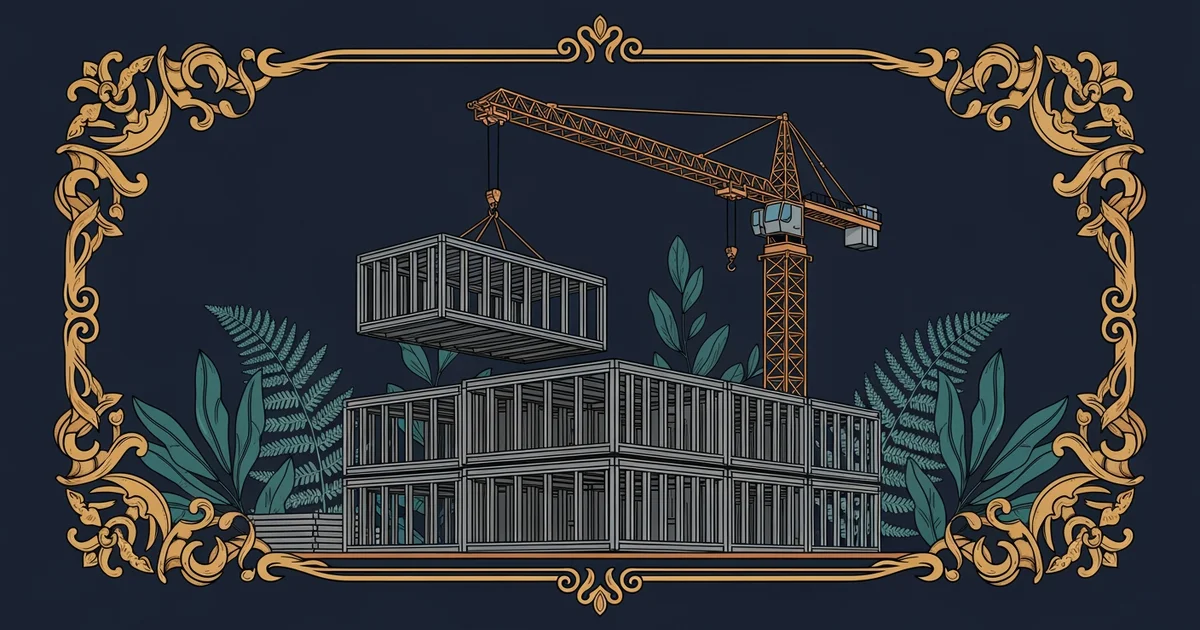
The Evolution of Modular Design
Modular construction is evolving from simple, repetitive boxes into complex, smart systems that integrate seamlessly with local urban environments. Early efforts focused on speed and cost, but future designs prioritize flexibility and long-term utility. Think of these new buildings like a high-end smartphone that receives regular software updates to improve performance. Just as a phone gains features through digital patches, a modular building will soon allow for physical hardware upgrades. Owners might replace an exterior wall panel with a more efficient solar skin or swap out a small unit for a larger living space. This shift requires designers to think beyond the initial assembly, focusing instead on the entire lifecycle of the structure. By building with modularity at the core, architects ensure that cities can adapt to changing populations without constant demolition. This approach directly answers our foundation question by treating urban density as a fluid, manageable resource rather than a rigid, permanent constraint.
Key term: Adaptive reuse — the process of modifying existing structures to serve new functions, which is now being built directly into modular components from the start.
Future modular trends rely on advanced materials and digital integration to create buildings that respond to their surroundings. Engineers are currently testing materials that can adjust their thermal properties based on external temperatures. These smart materials reduce the energy load of the entire structure, making the building an active participant in environmental conservation. When we combine these materials with the precision of factory manufacturing, we achieve a level of sustainability that traditional construction cannot match. This marriage of technology and manufacturing creates a feedback loop where data from one building improves the design of the next. We are moving toward a future where a building is not just a place to live, but a high-performance machine designed for efficiency.
Data-Driven Urban Growth
As we look toward the next decade, the integration of digital twins will define the success of modular projects. A digital twin is a virtual replica of a physical building that allows managers to simulate changes before they happen. If a city planner wants to increase housing density, they can test the impact on traffic and utilities within the digital model. This process minimizes the risk of failure and ensures that modular additions integrate perfectly with existing infrastructure. The synergy between digital twins and modular manufacturing represents a major leap forward from the static designs of the past.
| Feature | Traditional Building | Future Modular Building |
|---|---|---|
| Change | Extremely difficult | Seamless and modular |
| Data | Post-construction | Real-time digital twins |
| Waste | High site waste | Near-zero factory waste |
We must also consider how these trends interact with earlier modular concepts like sustainable design and structural efficiency. By blending these ideas, we create a resilient urban landscape that can survive economic and environmental shifts. The tension between the need for rapid housing and the desire for high-quality, long-lasting architecture will be resolved through this data-driven flexibility. We are essentially teaching cities how to breathe and grow by using modular components as their building blocks. This evolution transforms the construction site from a chaotic zone into a precise, final assembly point for high-tech parts. It is a fundamental change in how humanity approaches the creation of space, focusing on long-term sustainability rather than short-term gain.
Future modular construction will transform static cities into responsive, living environments by treating buildings as adaptable systems that evolve through data-driven updates and smart material integration.
The next phase of our journey explores how these advanced modular techniques come together in a final, comprehensive project design.