
Interior Lighting Strategies
When you walk into a dark basement apartment at noon, the lack of natural light makes the space feel like a cramped wooden box. This is the exact problem faced by homeowners in the 2012 micro-living trend, where tiny footprints often lacked windows on multiple sides. Lighting is not just about seeing clearly, but about tricking the human brain into perceiving a room as larger than its physical walls allow. By using smart placement and layered fixtures, you can expand the visual boundaries of your tiny home without moving a single wall. This approach relies on ambient lighting to set the base level of brightness across the entire interior.
Designing for Visual Depth
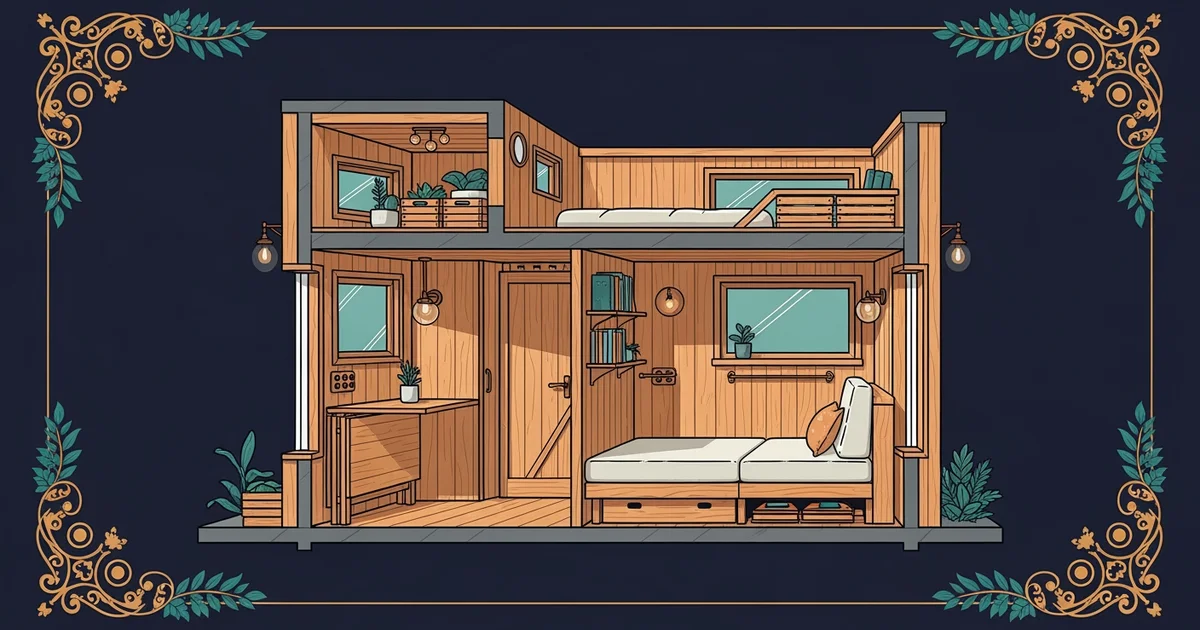
Proper lighting strategy requires thinking about how light bounces off surfaces to create the illusion of extra space. If you install a single bright bulb in the center of a ceiling, you create harsh shadows that define the edges of your room clearly. This makes the space feel smaller because the eye immediately identifies the boundary where the light stops and the shadow begins. Instead, you should use multiple sources of light spread around the room to soften those edges and blur the transition between walls. Think of this like painting a room with light; you want to cover every corner evenly to remove the visual anchors that define a tiny room. By eliminating dark corners, you effectively push the walls outward in your mind.
Key term: Ambient lighting — the general, soft light that fills a room and provides a base level of illumination for everyday tasks.
To achieve this, you need to layer your fixtures to handle different needs within the same small area. You can divide your lighting strategy into three distinct categories based on their function and placement within the home:
- General lighting provides the main glow for moving around the home safely during the evening hours.
- Task lighting focuses bright, direct beams on specific zones like kitchen counters or reading chairs.
- Accent lighting highlights architectural features or art to draw the eye toward specific, pleasing focal points.
Selecting Effective Lighting Fixtures
Once you understand the layers, you must choose the right fixtures that fit the scale of your tiny home layout. Large, hanging chandeliers often overwhelm a small ceiling and make the room feel like it is closing in on you. You should opt for low-profile fixtures like flush-mount lights or track systems that keep the ceiling line clean and open. If you use wall-mounted sconces, you can direct light upward toward the ceiling, which creates a wash of brightness that makes the room feel taller. This technique is similar to how a mirror reflects a view to make a hallway seem twice as long as it really is. By reflecting light off the ceiling, you increase the total amount of light hitting your eyes, which tricks your brain into feeling like you are in a much bigger room.
| Fixture Type | Best Use Case | Impact on Space |
|---|---|---|
| Flush Mount | General areas | Keeps ceiling clear |
| Wall Sconce | Task zones | Adds vertical height |
| LED Strips | Under cabinets | Removes dark shadows |
Using these tools correctly helps you manage the limited footprint of your home while maintaining a high quality of life. You should always prioritize fixtures that allow for dimming, as this gives you control over the mood during different times of the day. A space that feels bright and airy during the morning needs to feel cozy and intimate when the sun goes down. By balancing these different types of fixtures, you create a home that feels adaptable, open, and comfortable regardless of the actual square footage available to you.
Strategic lighting layers create the illusion of expansive space by removing harsh shadows and drawing the eye toward distant corners.
But this model of lighting design becomes difficult to manage when your tiny home requires complex electrical wiring for multiple zones.