
Defining the Tiny Home Movement
Imagine you are trying to fit your entire life into a single standard bedroom. You must choose which items stay and which ones go to make space for living. This challenge forces you to rethink what you truly need versus what you just own. Most people accumulate possessions over many years until their homes feel crowded and cluttered with unused goods. The tiny home movement flips this script by prioritizing quality of life over the total square footage. It asks you to design a home that fits your life instead of forcing your life to fit a home.
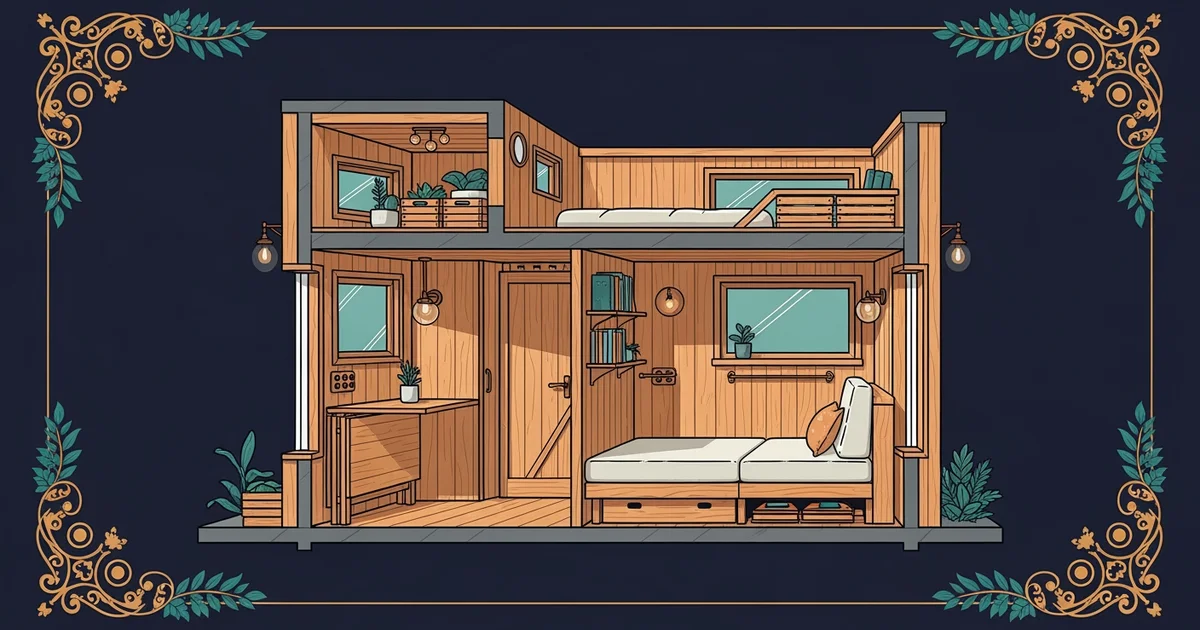
The Philosophy of Intentional Living
Living in a small space requires a deep shift in how you view your daily habits. You stop buying things because you have no room to store extra items you rarely use. This change leads to intentional living, where every object inside your home serves a clear and necessary purpose. Think of it like packing for a long trip where you only carry a small backpack. You only bring the gear that helps you survive and thrive in your new environment. When you remove the excess, you gain more time and money to spend on experiences rather than maintenance.
Key term: Intentional living — a lifestyle choice that focuses on selecting only the items and activities that add genuine value to your daily routine.
Choosing a smaller home also changes your financial future by reducing the costs of modern life. Large houses often come with high utility bills, heavy taxes, and expensive repair costs that drain your savings. By choosing a tiny home, you lower your monthly overhead and free up your income for other goals. You might find that you can work fewer hours or travel more often because your housing costs are so low. This financial freedom is often the primary reason people decide to downsize their living space permanently.
Core Values of the Tiny Home Movement
People join this movement for different reasons, but they usually share a set of common values. They want to reduce their impact on the planet while increasing their personal freedom and mobility. The following table shows how these values compare to traditional housing models found in most neighborhoods today.
| Value | Tiny Home Approach | Traditional Home Approach |
|---|---|---|
| Space | Highly efficient design | Large and often unused |
| Costs | Low monthly overhead | High mortgage and taxes |
| Impact | Small carbon footprint | Large energy consumption |
When you look at this comparison, you can see why many people feel trapped by their current living situation. The tiny home movement offers a path to break these cycles by focusing on what matters most to the individual. It is not just about the size of the building, but about the size of the footprint you leave behind. By choosing to live with less, you gain a sense of control over your environment that is hard to find in a large house. This shift in perspective can change your entire relationship with money and personal property over time.
Choosing a small dwelling often requires you to learn new skills related to home maintenance and space management. You become more aware of how your home functions because you interact with every corner of it daily. This hands-on connection to your living space creates a sense of pride that many homeowners never experience in larger, impersonal structures. As you explore this path, you will learn how to balance your personal needs with the reality of living in a compact, efficient, and mobile home environment.
True freedom comes from curating your environment to support your values rather than filling it with unnecessary possessions.
By understanding these core values, you are now ready to explore the legal rules and land access requirements that govern where these structures can actually be placed.