
Camouflage Mechanics
When a soldier moves through a dense forest, their uniform features irregular blobs of green and brown to blend into the shadows. This visual tactic mimics how a moth avoids being eaten by birds while resting on the rough bark of an oak tree. This is an example of disruptive coloration from Station 10 working in real conditions to hide an object from view. By breaking up the outline of the body, the soldier prevents the brain from recognizing a familiar human shape against the background. Nature uses these same tricks to ensure survival in environments where being seen is the same as being caught by a hungry predator.
The Science of Visual Disruption
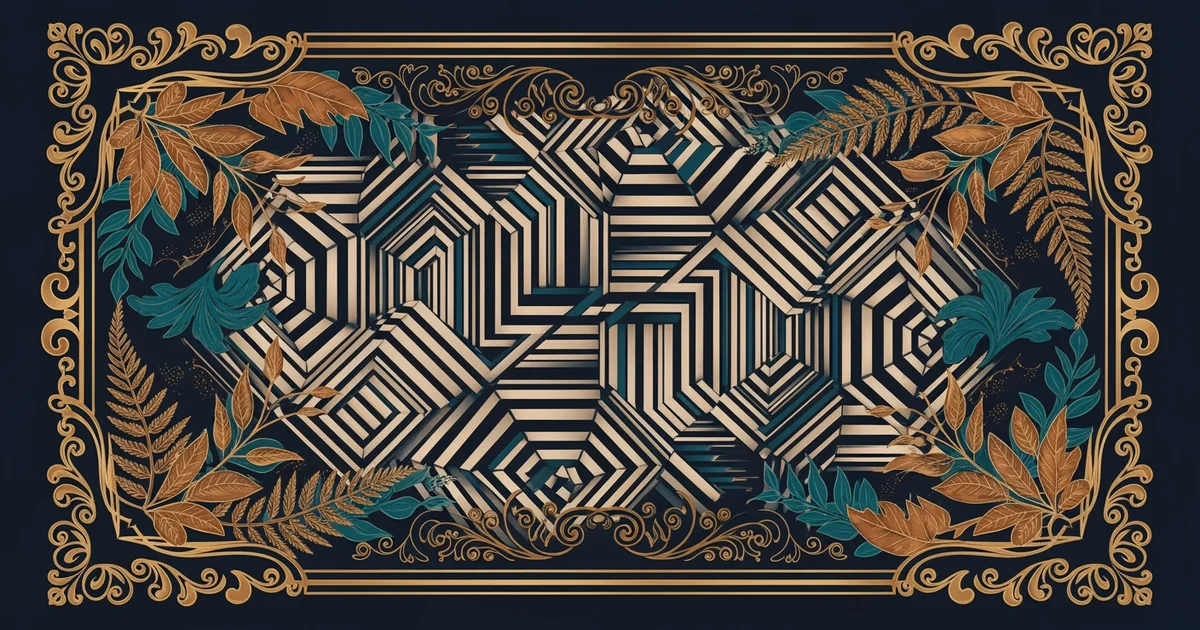
Animals often evolve patterns that destroy the continuous edge of their bodies to trick the observer. When you look at a zebra in a herd, the stripes make it hard to tell where one animal ends and another begins. This effect works because the brain relies on clear borders to define the shape of an object. If the edges are blurred or broken by high-contrast shapes, the visual system struggles to complete the image. This process is very similar to how a business might use varied pricing models to hide the true cost of an item from a buyer. By adding complexity to the visual field, the animal forces the predator to spend extra time processing the scene. This delay in identification often gives the prey enough time to escape before the predator can strike.
Key term: Disruptive coloration — a method of camouflage that uses high-contrast patterns to break up the outlines of an object.
To understand how this works, we must look at how the eye detects motion and form in the wild. The brain is constantly scanning for edges that suggest a threat or a meal. When those edges are hidden, the brain often ignores the object entirely because it lacks a clear form. This is why many predators also use patterns to stalk their prey without being noticed. The pattern does not need to match the background color perfectly to be effective for the hunter. Instead, the pattern must simply confuse the way the brain groups pieces of light and shadow together into a single shape.
Pattern Mechanics and Survival
Beyond just breaking outlines, some species use specialized textures to match their surroundings perfectly. This secondary layer of protection is known as background matching, which requires a precise alignment of color and scale. While disruptive patterns break the shape, background matching makes the object disappear into the texture of the environment. These two strategies often work together to provide a complete defense against visual detection in the wild. Consider the following ways that different creatures apply these techniques to maximize their survival odds:
- Countershading uses dark colors on the top and light colors on the bottom to flatten the appearance of depth and volume.
- Blotchy patterns create false shadows that deceive the eyes of predators looking for solid shapes like heads or legs.
- Disruptive stripes force the eye to track individual lines rather than the full silhouette of the moving animal.
These methods are not just random accidents of evolution but are highly effective tools for staying alive. The efficiency of these patterns depends on the distance between the observer and the object being hidden. If the pattern is too large, it becomes visible as a distinct shape at close range. If the pattern is too small, it blurs into a solid color from a distance. The best camouflage patterns use multiple scales of contrast to ensure the object stays hidden at various distances. This balance ensures that the prey remains a mystery to the predator for as long as possible during an encounter.
| Strategy | Primary Goal | Best Environment |
|---|---|---|
| Disruptive | Break outlines | Forest or brush |
| Matching | Blend textures | Sand or leaves |
| Countershading | Remove depth | Open water or air |
This table shows how different environments demand specific visual solutions to avoid detection by hungry predators. Each strategy requires the animal to adapt its physical appearance to the light and shadows of its specific home. By mastering these visual rules, animals turn their bodies into tools for survival that are difficult for the brain to process.
Complex patterns hide objects by preventing the brain from forming a recognizable outline against the background.
But this model of static camouflage breaks down when the observer begins to move through the changing environment.