
Future of Identity
Imagine you could upload your memories to a digital cloud to keep them safe forever. If you replaced your organic brain with a perfect synthetic copy, would you remain the same person? This question moves beyond simple biology and explores the boundaries of what makes a human individual unique. As we integrate advanced technology into our daily lives, we must rethink how we define the self. We are rapidly approaching a future where our physical bodies might be secondary to our digital presence. This shift forces us to examine if identity is a fixed essence or a flexible data set.
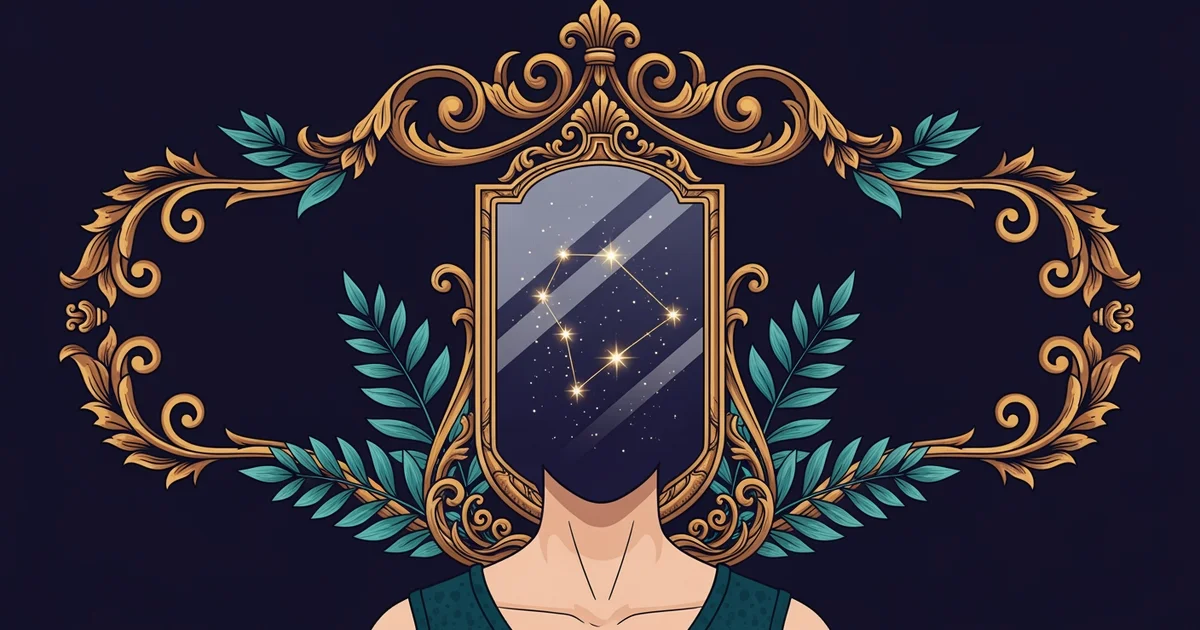
The Digital Expansion of Self
Modern technology allows us to extend our reach far beyond our physical limitations. We now store our histories in external databases rather than relying solely on our biological minds. This process creates a distributed identity where parts of who we are exist outside our bodies. Consider a smartphone as a prosthetic brain that holds our social connections and personal narratives. When we offload our memories to these devices, we effectively blur the line between the tool and the user. This integration means that losing access to our data feels like losing a piece of our own personality. We are no longer just biological entities but hybrid beings defined by our digital footprints.
Key term: Distributed identity — the concept that an individual's sense of self is spread across biological, social, and digital platforms rather than being contained entirely within the physical body.
This expansion introduces significant risks regarding how we control our personal information. If our identity depends on external servers, we must ask who truly owns the data that defines us. We are essentially renting our memories from companies that provide the hardware and the software platforms. If a provider shuts down, a significant portion of our lived experience could vanish overnight. This vulnerability makes our future identity feel less like a permanent rock and more like a rented apartment. We must decide if we are willing to trade our autonomy for the convenience of digital enhancement.
Future Challenges to Personal Continuity
Technological progress creates new tensions between our past, present, and potential future selves. We previously discussed how memory and physical traits anchor our identity through time. However, future advancements in neural interfaces might allow us to edit or delete specific memories at will. If you could remove a traumatic experience, would you still be the same person afterward? This capability challenges the idea that our history is the primary building block of our character. Changing our memories is like editing a digital photograph to remove an unwanted background element. While the image looks cleaner, the reality of what occurred remains fundamentally altered by the removal.
| Future Technology | Potential Impact | Ethical Challenge |
|---|---|---|
| Neural Implants | Enhanced recall | Loss of privacy |
| Memory Editing | Trauma relief | Authenticity issues |
| Digital Avatars | Social extension | Identity theft |
We must consider how these tools change our interaction with the world around us. These technologies offer several ways to reshape our personal experience:
- Neural interfaces provide direct links to information, which changes how we learn and retain new skills.
- Advanced avatars allow us to project different versions of ourselves, which complicates our social interactions.
- Synthetic biology might eventually allow us to alter our physical traits, which shifts our relationship with our bodies.
These advancements do not just change what we can do, but they redefine what we can be. We are moving toward a world where identity is a choice rather than a biological destiny. This evolution requires us to be more conscious of the digital tools we adopt today. We must ensure that our technology supports our growth instead of replacing our fundamental human qualities. The core of your identity remains the conscious observer who makes choices about these tools.
Future identity is not a static state but a dynamic process of managing the complex balance between our biological essence and our expanding digital footprint.
Understanding the future of identity helps you navigate the digital world with greater awareness and intentionality.