
Forensic Ethics Review
Imagine a detective finding a crucial piece of evidence that is tainted by a sloppy mistake. If the investigator forgets to change gloves between crime scenes, the entire case might collapse later. This situation mirrors how a financial auditor handles money, where one small error ruins the total trust. Forensic science requires strict adherence to ethical standards to ensure that truth remains the primary goal. Without these rigorous protocols, the justice system would lose its ability to distinguish between actual facts and accidental contamination. Every step in an investigation must be documented to maintain the chain of custody for evidence.
Upholding Integrity in Forensic Analysis
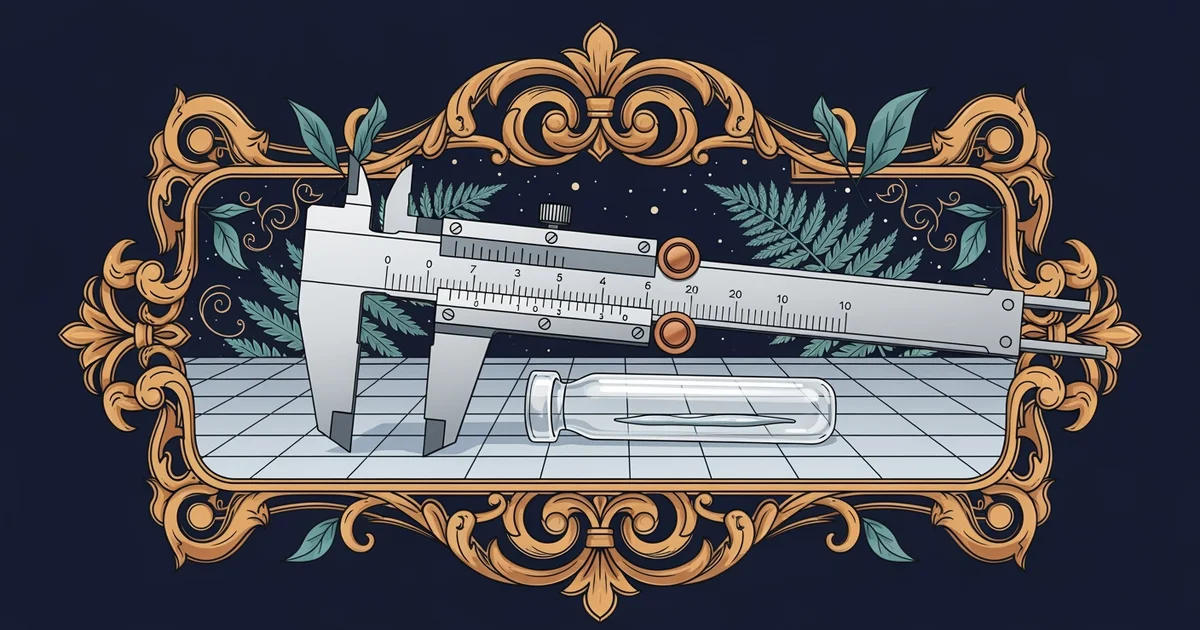
When investigators handle evidence, they must follow established forensic integrity protocols to prevent any potential tampering. These standards act like a protective vault, ensuring that the evidence remains exactly as it was found at the scene. If an expert deviates from these rules, they risk compromising the entire legal outcome of the case. By prioritizing transparency, scientists allow other experts to review their work and verify the accuracy of their findings. This openness is essential because it builds public confidence in the scientific methods used during criminal trials.
Key term: Forensic integrity — the practice of maintaining strict, documented procedures to ensure evidence remains untainted and reliable throughout an investigation.
Maintaining this level of care requires constant vigilance from everyone involved in the processing of physical evidence. Investigators must acknowledge that even minor oversights can lead to significant consequences during a courtroom presentation. If the documentation of a single item is missing, the jury might question the legitimacy of the entire collection process. Such gaps often provide defense attorneys with opportunities to challenge the validity of the scientific claims being made. Therefore, the commitment to accuracy must remain the highest priority for every forensic professional working in the field.
Ethical Challenges in Modern Investigation
Beyond simple procedures, forensic scientists face complex ethical dilemmas when the pressure to solve a case increases. Sometimes, the desire to find a quick answer can conflict with the need for thorough, methodical analysis. Researchers must resist the urge to confirm their initial suspicions if the physical evidence suggests a different reality. This objectivity is the cornerstone of justice, as it prevents personal bias from influencing the interpretation of scientific data. True progress in forensics comes from accepting results that might contradict what the team initially expected to find.
To manage these risks, forensic teams often rely on standardized checks and balances during their daily operations:
- Peer review processes involve having a second, independent expert verify all findings to ensure that personal bias does not affect the final report.
- Double-blind testing protocols prevent the analyst from knowing specific case details that could subconsciously sway their interpretation of the collected physical data.
- Regular equipment calibration ensures that all scientific tools provide accurate measurements, which helps avoid errors caused by outdated or faulty technology.
These methods create a robust framework that supports the foundational goal of uncovering truth in complex crime scenes. By integrating these practices, investigators can reconcile the tension between speed and accuracy in their work. This approach builds upon the lessons from previous stations, such as how physical evidence acts as a silent witness in court. When investigators combine these ethical standards with the technical skills learned earlier, they create a reliable path toward justice. The ultimate goal remains the same, which is to provide an objective account of events that stands up to intense scrutiny.
True forensic integrity requires that investigators prioritize objective scientific processes over the pressure to produce quick results in every case.
Ethical forensic practice ensures that scientific evidence remains a reliable tool for discovering the truth in criminal investigations. This content is educational only and does not constitute legal advice. Laws vary by jurisdiction. Consult a qualified legal professional for advice specific to your situation.