
Future of Human Factors
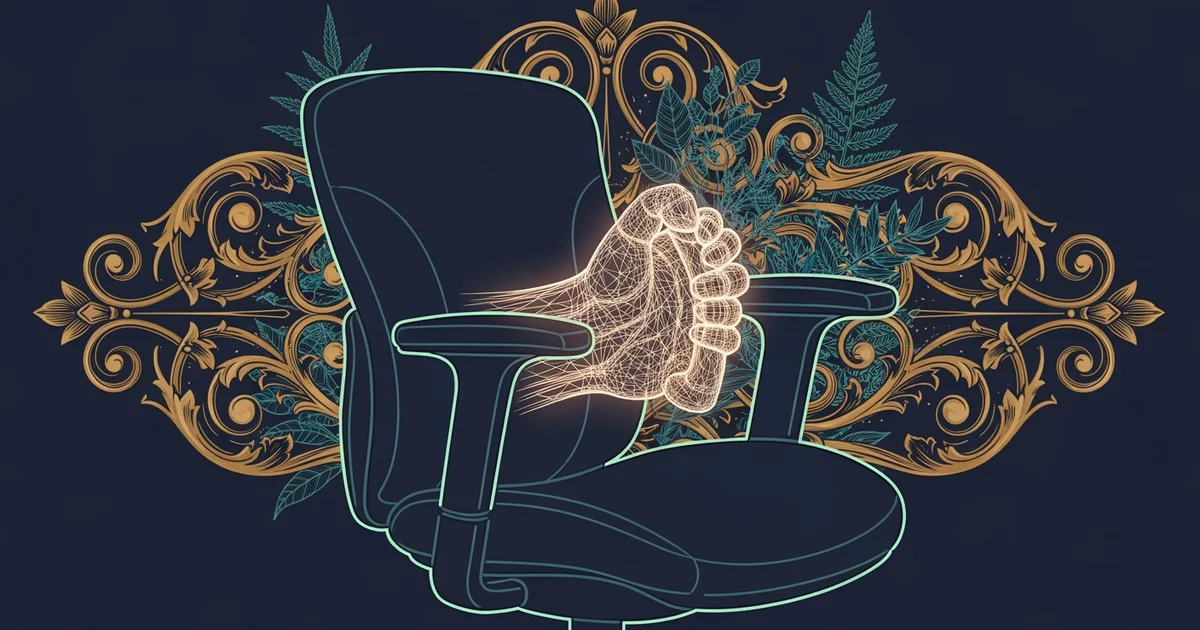
Imagine a chair that senses your posture and shifts its shape to support your spine perfectly. Designers once relied on static measurements of the human body, but the future of this field demands something much more dynamic and responsive. We are moving toward a world where tools adapt to us in real time using smart sensors and complex data loops. This shift changes how we think about the relationship between people and the machines they operate every day.
Predictive Ergonomics and Digital Twins
When we look at the future, we see predictive ergonomics becoming the standard for modern design. This method uses digital models of humans, often called digital twins, to simulate how a person will interact with a new product before it is built. By running thousands of simulations, engineers can identify strain points that a human tester might miss during a short trial. Think of this like a pilot using a flight simulator to prepare for every possible weather condition before actually taking off in a real plane. The simulation provides a safety net that protects the user from long-term injury while saving the company money on physical prototypes.
Key term: Predictive ergonomics — the practice of using computer simulations to forecast how human bodies will interact with and react to new product designs.
This approach builds on the earlier concept of inclusive design systems by ensuring that the digital model represents a wide range of body types. When we integrate these models with real-time data, the design process becomes a living cycle of improvement. Engineers no longer just guess how a person moves; they observe data patterns to refine the interface. This creates a bridge between the physical world and the digital space, allowing for a level of precision that was previously impossible to achieve with manual measurements alone.
The Role of Artificial Intelligence in Adaptive Design
As we integrate artificial intelligence into our tools, the design itself becomes a participant in the user experience. Adaptive interfaces represent the next step in this evolution by changing their layout or function based on the specific needs of the person using them. If a worker grows tired during a long shift, the machine might adjust its sensitivity to match their slower reaction times. This is similar to a thermostat that learns your preferred temperature over time and automatically adjusts the heat before you even feel the room getting cold. The goal is to reduce the mental load on the user by making the tool feel like an extension of their own body.
We can compare the impact of these technologies on human performance through the following table:
| Technology | Primary Benefit | Human Impact |
|---|---|---|
| Digital Twins | Risk Reduction | Prevents injury |
| AI Sensors | Real-time Flow | Boosts efficiency |
| Smart Materials | Dynamic Comfort | Lowers fatigue |
These tools work together to create a seamless environment where the system anticipates human needs. By combining the data from digital twins with the real-time processing of AI, we solve the foundation question of how to make tools fit the way humans think, move, and react. We no longer force humans to adapt to rigid machines, as the machines now possess the intelligence to accommodate our natural human limitations.
Future Challenges in Human-Machine Interaction
While these advancements offer great potential, they also introduce new tensions regarding privacy and control. If a system learns your habits to improve comfort, it must also store sensitive data about your physical movements and preferences. Engineers must now balance the benefits of a highly personalized machine with the need for security and user autonomy. This is the central open question that researchers face today: how can we build systems that are deeply personal without crossing the line into invasive surveillance? We must ensure that the user remains the master of the tool, even when the tool is smart enough to act on its own.
Designing for the future requires us to merge technical precision with a deep respect for human agency. We are creating systems that do not just serve us, but also understand the nuances of our daily lives. As these technologies mature, the gap between human intent and machine action will disappear, leading to a new era of natural interaction.
Future human factors engineering will rely on AI to create dynamic systems that adjust to individual human needs in real time.
Human factors engineering has evolved from simple physical measurements to complex, AI-driven systems that prioritize the biological and cognitive harmony between people and their tools.