
Future of Work Models
Imagine your future career as a custom-built house where you choose the materials and layout. You no longer rely on a single employer to provide the foundation for your entire working life.
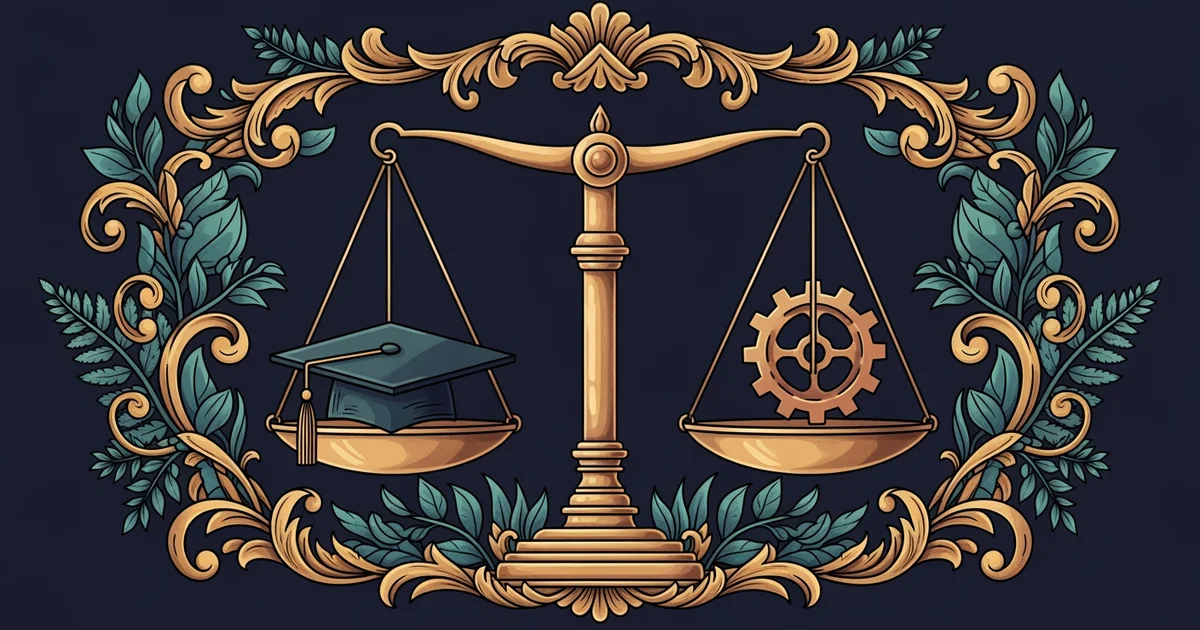
The Shift Toward Modular Careers
The modern economy moves away from long-term employment toward a system of modular work. You act like a contractor who manages several projects rather than a permanent staff member. This shift happens because companies now prefer flexibility to manage costs during market changes. Think of this transition like a streaming service replacing physical media collections. You no longer buy one expensive album that might go out of style. Instead, you subscribe to a platform that lets you access specific tracks whenever you need them. Your skills represent the tracks, and your career represents the platform. You must keep your skill set updated to stay relevant in this fast-paced digital environment. This model requires you to take full responsibility for your own professional development and growth. You must treat your expertise as a product that you constantly refine for different clients. By building a diverse portfolio of tasks, you reduce the risk of losing your income.
Managing Risk and Opportunity
Transitioning to this flexible model requires a deep understanding of how your personal value changes over time. You must weigh the stability of a traditional role against the potential rewards of independent projects. Consider how the following factors influence your ability to thrive in a decentralized labor market:
- Skill Portability allows you to move your expertise between different industries without starting over.
- Network Capital represents the strength of your professional connections which help you find new work.
- Adaptive Learning ensures that you acquire new certifications or tools before your current ones expire.
Building these assets provides a safety net that protects you when specific industries face sudden downturns. You can apply the concept of diversification to your career just as investors do with their money. If one project ends, your other streams of income and expertise keep your professional life stable. This approach forces you to constantly evaluate the market demand for your current abilities and interests. You become a strategist who analyzes the economic landscape to find the best opportunities for growth.
Key term: Human Capital — the collection of skills, knowledge, and experience that an individual possesses and uses to create value in the economy.
When you integrate these concepts, you see how education policy impacts your long-term success. Early training provides the base, but your ability to pivot defines your lifetime earnings. This synthesis addresses the foundation question of how human work shapes our world by proving that value comes from versatility. We must ask ourselves if our current systems support this need for constant adaptation or if they hinder it. The tension between job security and economic agility remains an unresolved debate for policymakers and workers alike. As technology continues to reshape every sector, your capacity to learn new systems will become your most valuable asset. The future rewards those who view their career as a dynamic project rather than a fixed path. By planning for change, you gain the freedom to define success on your own terms.
Your career success depends on your ability to treat your skills as a flexible asset that adapts to changing economic demands.
Understanding how to leverage your unique human capital will prepare you for the complex economic policy synthesis ahead.
This content is educational only and does not constitute financial or investment advice.