
The Gig Economy Shift
When a local driver logs into a ride-sharing application to pick up their first passenger of the morning, they are participating in a massive shift in how society views employment. This specific moment captures the reality of the modern labor market where workers trade traditional office stability for the flexibility of task-based assignments. This shift represents the gig economy, which functions as a digital marketplace for short-term contracts instead of long-term employment agreements. Much like a farmer who sells crops at a market stall rather than working for a large agricultural corporation, the modern gig worker acts as an independent business entity. This transition moves the burden of equipment and insurance from the employer to the individual worker, creating a new economic landscape that challenges old labor laws.
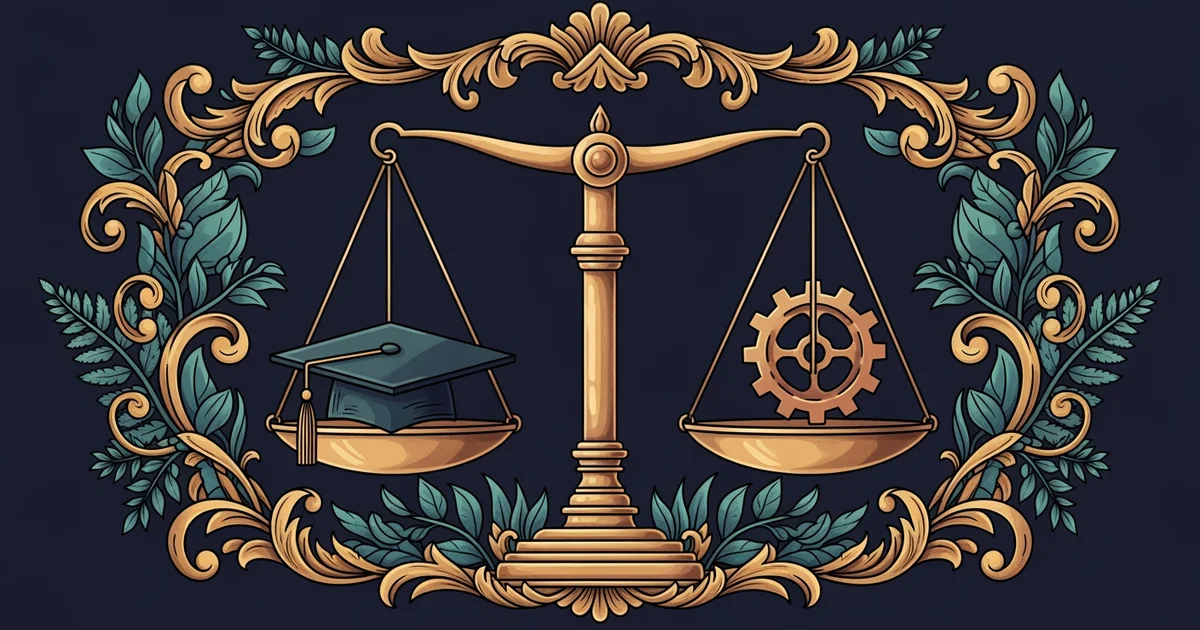
The Changing Structure of Work
The fundamental shift toward flexible labor relies on platforms that connect service providers with consumers in real time. These digital systems act as the infrastructure for the modern economy, replacing the human resources departments of the past with automated matching algorithms. While this provides workers with the freedom to choose their own hours, it also removes the safety nets that were common in the twentieth century. Workers no longer receive benefits like health insurance or retirement contributions because they are classified as independent contractors rather than full-time staff. This change forces the individual to manage their own risks and costs while the platform takes a percentage of each transaction for facilitating the connection.
Key term: Gig economy — a labor market characterized by the prevalence of short-term contracts or freelance work as opposed to permanent jobs.
This economic model functions similarly to a high-stakes game of musical chairs where the music never stops playing. Participants must constantly search for their next task to maintain a steady income stream, as there is no guarantee of future work. Because the platform does not owe the worker a salary, the worker must constantly monitor demand levels to maximize their earnings during peak hours. This constant state of vigilance creates a unique form of stress that differs from the routine of a traditional nine-to-five position. The following table highlights the differences between these two primary labor models:
| Feature | Traditional Employment | Gig Economy Work |
|---|---|---|
| Schedule | Fixed hours | Flexible choice |
| Benefits | Employer provided | Self-managed |
| Security | Long-term contracts | Task-based pay |
| Equipment | Company supplied | Worker owned |
Benefits and Risks of Contract Labor
Transitioning to this flexible structure offers significant advantages for those who prioritize autonomy over institutional security. Many workers value the ability to work across multiple platforms simultaneously, which allows them to diversify their income sources and hedge against the failure of a single company. However, this independence comes with the hidden cost of unpredictable earnings and the lack of collective bargaining power. Without a union or a central employer, individual workers find it difficult to negotiate higher wages or better working conditions when platforms decide to lower pay rates. The lack of standardized protections means that the worker is always at the mercy of market fluctuations and algorithmic changes that they cannot influence.
- Algorithmic management directs workers to high-demand areas by using data to predict where services are needed, which helps increase efficiency but limits personal decision-making power.
- Income volatility occurs because the amount of money earned depends entirely on consumer demand at any given moment, making it hard to plan for long-term financial goals.
- Asset depreciation happens because the worker must use their own vehicle or equipment, meaning they bear the full cost of repairs and maintenance while earning money for the platform.
Understanding these dynamics helps us see why the value of human work is becoming more fragmented in the digital age. While the gig economy provides immediate access to work, it also shifts the responsibility for economic survival away from the firm and onto the person. This shift requires a new level of financial literacy for every worker who enters the freelance space. We must recognize that the convenience of an app-based service is built upon the labor of individuals who manage their own professional risks. As technology continues to evolve, the distinction between a worker and a business owner will likely blur even further, forcing us to rethink how we protect the rights of the individual in a globalized market.
The gig economy shifts the burden of financial stability from the employer to the individual by replacing steady salaries with task-based income.
But this model breaks down when global labor competition creates a race to the bottom for wages.
This content is educational only and does not constitute financial or investment advice.