
Wildcrafting Ethics
Walking through a forest, you might spot a rare fern or a vibrant wildflower that seems perfect for your home decor. Picking these plants feels harmless in the moment, yet each removal impacts the delicate balance of the local ecosystem. Small actions done by many people can lead to the total loss of a species in a specific area. Learning to forage with care ensures that nature remains healthy for everyone to enjoy in the future.
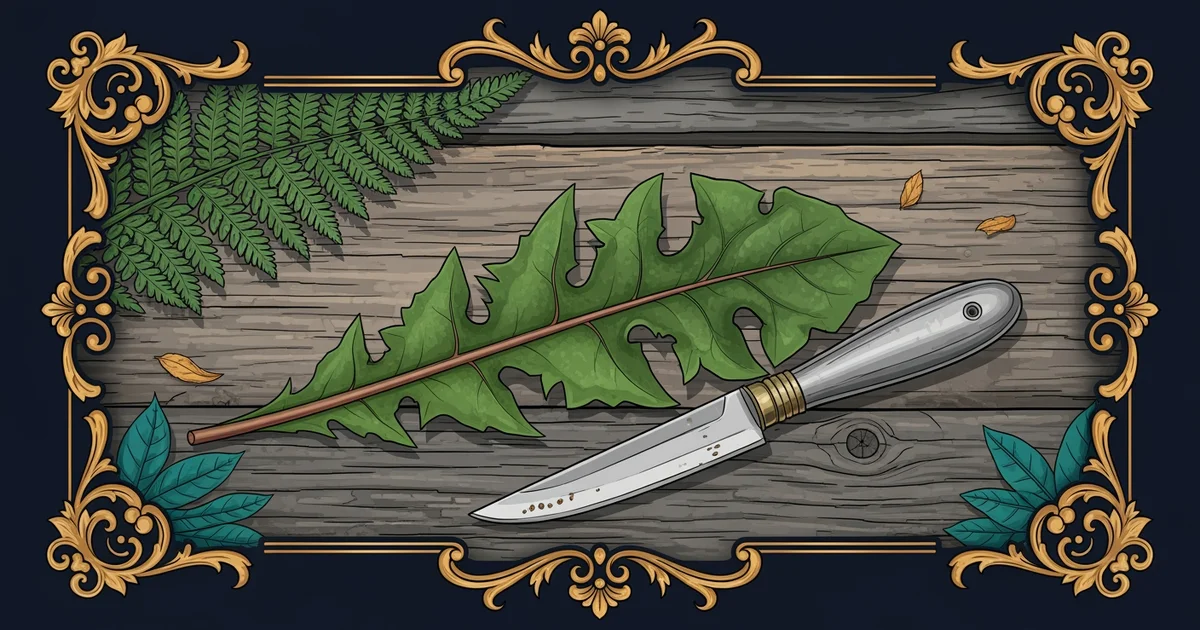
Principles of Sustainable Harvesting
When you decide to collect non-food materials, you must treat the environment like a shared savings account. Taking too much at once drains the balance and prevents the system from growing or renewing itself. A good rule is to only take what you truly need while leaving the vast majority behind for wildlife. By acting as a steward rather than a consumer, you help maintain the diversity of your local landscape. This approach mimics a bank where you only withdraw the interest, keeping the original capital intact for long-term stability and growth.
Key term: Wildcrafting — the practice of harvesting plants or other natural materials from their native environment in a way that supports ecological health.
To keep your impact low, follow these guidelines for every collection trip you take outdoors:
- Always identify the plant with total certainty before you touch or remove any part of it.
- Check the local status of the plant to ensure it is not rare, endangered, or protected.
- Harvest only from abundant populations to avoid putting stress on a struggling group of plants.
- Use sharp tools to make clean cuts, as this helps the plant heal faster after injury.
Ethical Standards for Non-Food Collection
Beyond just picking plants, you must consider the ripple effects of your physical presence in the woods. Walking off designated trails can crush fragile soil crusts or damage the roots of hidden plants. You should also be mindful of how your collection affects the animals that rely on these plants for food or shelter. If you take a branch for a craft project, you might be removing a crucial nesting site for a small insect. Always ask yourself if your harvest is worth the potential cost to the surrounding living community.
| Impact Factor | Ethical Action | Reason for Action |
|---|---|---|
| Plant Density | Sample sparingly | Prevents population collapse |
| Soil Health | Stay on trails | Protects root systems and fungi |
| Wildlife Need | Leave resources | Ensures food for local animals |
| Growth Cycle | Time your harvest | Allows for natural reproduction |
Following these steps helps you become a more responsible harvester who respects the boundaries of nature. The goal is to leave the area looking exactly as it did before you arrived there. When you prioritize the health of the habitat over your personal desires, you contribute to a sustainable cycle. This mindset transforms a simple walk into a meaningful act of conservation that protects our wild spaces. Every choice you make in the field serves as a vote for the type of environment you wish to see tomorrow.
True ethical wildcrafting requires that you prioritize the long-term health of the ecosystem over your desire to collect materials.
But what does it look like when you move from gathering materials to the actual culinary preparation of these wild ingredients?