
Synthesizing Food Narratives
Imagine you are building a complex structure from many different pieces of colored glass. Each piece represents a specific memory or a family tradition you have learned over time. When you combine these fragments into a single window, you create a new image that tells a personal story. This process of combining disparate elements into a unified whole is the essence of building a culinary identity. You are not just cooking food; you are curating a collection of experiences that define who you are in the modern world.
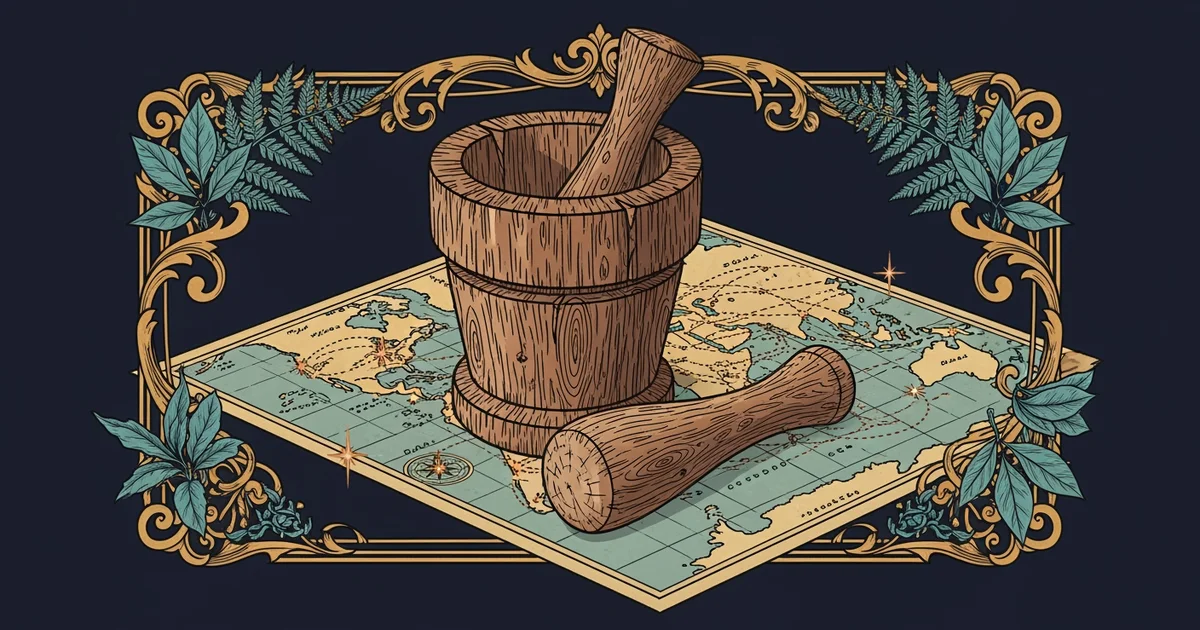
The Architecture of Culinary Identity
Your personal food narrative acts as a bridge between the past and your present life choices. When you analyze the recipes passed down through your family, you begin to see patterns of migration and survival. These dishes are not merely instructions for eating but are encoded messages about your heritage. Think of these recipes as an investment portfolio where each dish represents a different asset class from your ancestors. Just as a diverse portfolio protects an investor from market shifts, a diverse culinary background provides you with a flexible identity that can adapt to new environments. By reflecting on how these flavors interact, you can start to synthesize a coherent story that explains your current preferences.
Key term: Culinary identity — the unique combination of cultural history, personal memories, and food choices that shape how an individual defines themselves through cooking.
When you synthesize these narratives, you must identify the core values that remain constant across your family meals. Perhaps your grandmother prioritized fresh ingredients while your parents focused on quick preparation for busy work weeks. These different approaches create a tension that you must resolve through your own kitchen practices. You might choose to combine the slow cooking methods of the past with the modern efficiency required by your current lifestyle. This synthesis allows you to honor your roots while acknowledging that your life today is fundamentally different from the lives of those who came before you.
Integrating Heritage into Modern Practice
As you move forward, you must decide which elements of your culinary history are worth preserving and which can be updated. This process requires a critical look at the traditions you once accepted without question. You can organize these elements by categorizing them based on their emotional value and practical utility in your daily routine. Consider the following ways to integrate these pieces into your own unique food story:
- Preserving core techniques that define your family flavor profile, such as specific spice blends or long-simmering methods, ensures that your history remains tangible and sensory.
- Adapting traditional recipes to fit modern dietary needs demonstrates that your heritage is a living thing that evolves rather than a static relic from the past.
- Documenting the stories behind your favorite dishes allows you to share the cultural significance of your food with others, turning a simple meal into a meaningful event.
By intentionally selecting which parts of your history to keep, you take control of your identity. You are no longer just a passive recipient of old recipes. Instead, you become an active creator who uses the past as a foundation for future exploration. This transition from following instructions to crafting a narrative is the final step in mastering your culinary ancestry. It allows you to answer the foundation question of this path by showing that your identity is a blend of inherited wisdom and personal choices. You are the author of your own food journey, and every meal you prepare is a chapter in that ongoing story.
Synthesizing your culinary ancestry requires balancing the preservation of inherited traditions with the active integration of your own modern values and life experiences.
The future of heritage food depends on how well you can translate these personal narratives into sustainable practices for the next generation.