
Industrial Automation Applications
In the massive assembly plant of a major automobile manufacturer, hundreds of robotic arms move in perfect harmony to weld car frames together. These machines operate with precision that human workers simply cannot replicate during long, repetitive shifts on the factory floor. By executing complex tasks at high speeds, these systems demonstrate the core principles of industrial automation discussed in Station 10. They transform raw materials into finished goods through sensors, actuators, and pre-programmed logic paths that dictate every single movement.
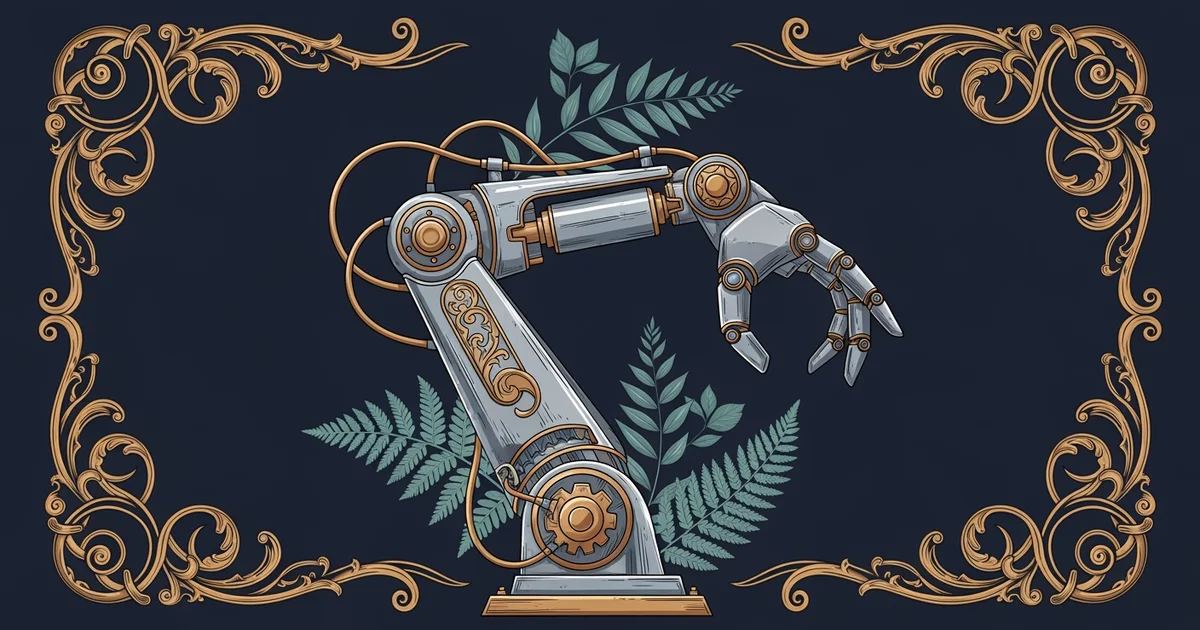
Robotic Arms in Modern Manufacturing
The primary role of an industrial robot involves performing repetitive, dangerous, or high-precision tasks that require consistent output over long periods. These mechanical systems function similarly to a human arm, featuring joints and linkages that provide a specific range of motion for reaching target points. By utilizing sophisticated control software, these robots can adjust their speed and force to match the requirements of the task at hand. Engineers design these systems to operate within a defined workspace, ensuring that the machine remains efficient while maintaining safety for nearby human staff members. When a robot performs a task like spot welding, it follows a set of coordinates that define the exact location for each weld.
Key term: Actuator — the mechanical component responsible for moving and controlling a mechanism or system by converting energy into motion.
These systems rely on various input devices to understand their environment and perform work effectively. Sensors provide real-time data regarding the position of parts, the presence of obstacles, or the quality of a completed weld. Without these feedback loops, the robot would continue moving blindly regardless of whether a part was correctly placed or missing entirely. This process ensures that errors are minimized and production cycles remain as fast as possible. The integration of these sensors represents a major leap forward from early automation, which relied on fixed mechanical stops rather than dynamic digital control systems.
Task Distribution and System Efficiency
Factories often deploy different types of robots to handle specific stages of the production pipeline based on the needs of the assembly line. The following table highlights common tasks performed by these machines in a typical high-volume manufacturing environment:
| Task Type | Primary Function | Key Requirement |
|---|---|---|
| Material Handling | Moving parts between stations | High speed and accuracy |
| Arc Welding | Joining metal components | Consistent torch angle |
| Assembly | Placing small components | High precision control |
| Palletizing | Stacking finished goods | Heavy lifting capacity |
When a factory manager organizes these tasks, they must ensure that each robot operates within its specific mechanical limits to prevent premature wear. An analogy for this process is a professional kitchen where different chefs handle specific stations like the grill, the salad prep, and the dessert assembly. Just as each chef has specialized tools and training for their specific duties, each robot in the factory is optimized for a particular range of motions. If a robot designed for heavy lifting attempted to perform delicate assembly, the system would likely fail due to lack of finesse and speed. This specialization allows the entire facility to function as a cohesive unit that maximizes output while keeping operating costs low.
These automated systems continue to evolve as developers integrate more advanced vision processing and machine learning capabilities into the control software. Future iterations will likely allow robots to adapt to changing conditions on the fly without requiring a complete reprogramming of their motion paths. This flexibility will enable smaller factories to adopt automation that was previously only accessible to large-scale manufacturers. While current systems excel at rigid, repeatable tasks, the next generation will handle complex, variable workflows with much greater ease. The shift toward smarter, more adaptable machines is already changing how we think about the relationship between human labor and mechanical assistance in the workplace.
Industrial robots increase factory efficiency by performing specialized, repetitive tasks with high precision and consistent output through integrated sensor feedback loops.
But this model of rigid, pre-programmed automation faces significant challenges when applied to environments that require unpredictable, real-time human interaction.