
Secure Communication Apps
You send a private message to a friend, but you have no way to know who reads it while it travels across the web. Most standard apps store your messages on their own servers where employees or hackers might access them at any time. This lack of privacy creates a digital paper trail that follows you forever, exposing your personal thoughts to parties you never intended to include in the conversation. By switching to secure tools, you regain control over who sees your private words and how long they exist online.
Understanding Encrypted Communication Channels
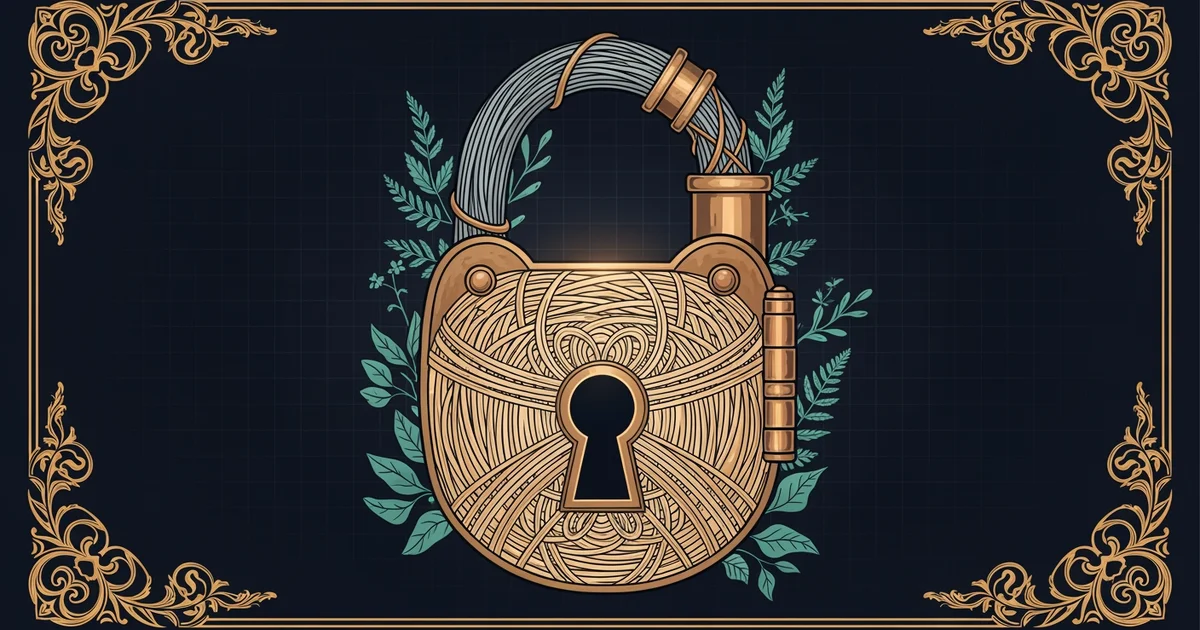
When you use end-to-end encryption, your messages turn into scrambled code the moment you hit the send button. Only the device of the person receiving your message holds the unique digital key needed to unscramble that content back into readable text. Think of this process like sending a letter inside a locked safe where only the recipient possesses the key to open the lid. Even if a delivery person intercepts the safe, they cannot see the letter inside because the lock remains impenetrable to outsiders. This method ensures that the company providing the app never sees your data, as they lack the keys required to decode your private communications.
Key term: End-to-end encryption — a security method where only the sender and recipient can read the messages sent between their devices.
Most modern secure apps offer additional features that further protect your identity during daily digital interactions. These tools often include disappearing messages, which automatically delete your conversation history after a set period of time to minimize your data footprint. You should also look for open-source verification, which allows independent experts to check the app code for hidden vulnerabilities or backdoors. When you choose a platform, prioritize apps that collect the least amount of metadata about your contacts, location, and usage habits.
Comparing Secure Messaging Platforms
Choosing the right app requires you to balance your personal security needs with the convenience of your social circle. While many apps claim to be secure, they often differ in how they handle your contact lists and backup files. The following table compares three common approaches to private messaging based on their primary security features and data handling practices.
| Feature | Signal | Telegram | |
|---|---|---|---|
| Default Encryption | Full E2EE | Full E2EE | Optional Secret Chat |
| Metadata Storage | Very Minimal | Extensive | Moderate |
| Code Transparency | Open Source | Closed Source | Partially Open |
When you review these options, remember that convenience often comes at the cost of your digital privacy. Apps that save your message history to a cloud server create a target for hackers who want to steal your personal information in bulk. If you want to keep your conversations truly private, you must avoid platforms that keep copies of your keys or your message history on their central servers. Migrating your contacts to a more secure platform might take time, but it builds a stronger barrier against unwanted surveillance.
To successfully transition your communication habits, follow these steps to ensure you maintain your privacy without losing touch with your friends:
- Identify your most frequent contacts who are willing to switch to a more secure application for your daily chats.
- Download a verified open-source messaging app and verify the safety keys of your contacts to prevent potential interception attacks.
- Enable disappearing messages on all your private threads to ensure that old conversations do not linger on your phone or theirs.
- Disable automatic cloud backups for your messaging data to keep your history stored strictly on your local device hardware.
By following these steps, you create a hardened communication environment that protects your identity from constant tracking. Each message you send becomes a private interaction between you and your intended recipient rather than a piece of data for a company to harvest. Consistent use of these tools ensures that your digital footprint remains small, manageable, and entirely under your own personal control.
True digital privacy requires using platforms that encrypt your data so that only you and your intended recipient hold the keys to access it.
But what does it look like in practice when you need to manage your digital identity across multiple online services?