
Nutrition and Hormones
When a professional athlete consumes a high-sugar meal before a major game, their blood glucose levels spike rapidly and demand an immediate hormonal response. This sudden surge forces the pancreas to secrete large amounts of insulin to manage the influx of energy into the cells. This is a real-world example of the metabolic feedback loops discussed in Station 10, where chemical signals coordinate internal balance during physical stress. Your dietary habits act as a direct input for the endocrine system, shaping how your body processes fuel and maintains stability.
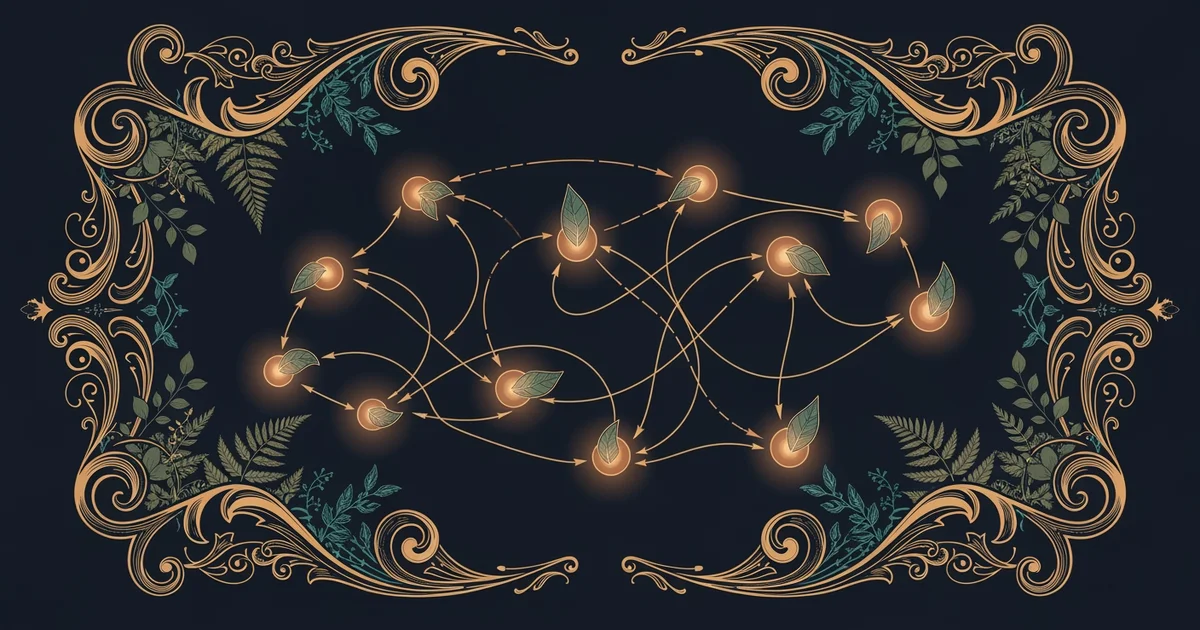
The Metabolic Feedback Loop
Every time you eat, your digestive system breaks down food into molecules that your bloodstream carries throughout the body. These molecules act as chemical messengers that tell your endocrine glands whether to store energy or release it for immediate use. When you choose complex carbohydrates, your body processes them slowly, allowing for a steady release of energy that keeps hormone levels within a stable range. Conversely, processed sugars trigger a rapid hormonal reaction that can lead to energy crashes and long-term fatigue. Think of your metabolism like a bank account, where you must balance your daily deposits of nutrients against the withdrawals of energy you spend. If you deposit only high-interest, short-term energy, you will eventually face a deficit that forces your body to borrow from its own internal reserves.
Key term: Homeostasis — the process by which biological systems maintain a stable internal environment despite external changes.
Nutrient Impact on Hormonal Synthesis
Your endocrine glands require specific raw materials to manufacture the hormones that regulate your growth, mood, and daily metabolism. Healthy fats, for example, serve as the primary building blocks for steroid hormones like cortisol and estrogen. If your diet lacks these essential fatty acids, your body struggles to produce enough of these vital signals, leading to imbalances that affect your overall health. Protein is equally important, as it provides the amino acids necessary to build peptide hormones that control digestion and blood pressure. You can view these nutrients as the essential tools in a factory, where the absence of a single wrench or hammer halts the entire assembly line of hormone production.
To help maintain this delicate balance, consider the following food categories that support consistent endocrine health:
- Healthy fats like avocados and nuts provide the necessary lipids for steroid hormone synthesis and cellular repair.
- Complex carbohydrates such as quinoa and oats ensure a steady release of glucose to prevent insulin spikes.
- Lean protein sources including beans and fish supply the amino acids required for building peptide-based hormone messengers.
- Fiber-rich vegetables support the healthy elimination of excess hormones to prevent system congestion and metabolic strain.
Managing Systemic Stability
Beyond individual nutrients, the timing and frequency of your meals play a critical role in hormonal rhythm. Eating at irregular intervals can confuse your internal clock, leading to erratic production of hunger hormones and stress signals. By establishing a consistent eating schedule, you provide your body with the predictability it needs to regulate hormone levels effectively. This consistency acts like a traffic light system, directing the flow of energy and signals so that no single pathway becomes overwhelmed or blocked. When you provide your body with reliable fuel, you allow the endocrine system to function with maximum efficiency and minimal waste.
| Nutrient Type | Primary Hormone Role | Best Food Sources |
|---|---|---|
| Healthy Fats | Steroid Synthesis | Avocado, Olive Oil |
| Lean Proteins | Peptide Building | Lentils, Chicken |
| Complex Carbs | Energy Regulation | Brown Rice, Oats |
Consistent dietary choices provide the essential raw materials and stable conditions required for the endocrine system to maintain internal hormonal balance.
But this model of stable nutrition becomes difficult to maintain when external life stressors disrupt your natural circadian rhythms.