
Future of Regenerative Medicine
Imagine a world where a damaged heart valve is repaired not by metal parts, but by a living, beating patch grown from your own cells. This vision pushes the boundaries of modern science by moving beyond simple synthetic implants toward fully integrated biological solutions. We currently face a crisis where donor organs are scarce and mechanical replacements often fail over time due to wear or immune rejection. Scientists now see 3D bioprinting as the ultimate bridge to solve these complex problems by mimicking the body's natural architecture. This approach represents a massive shift from passive materials to active, living tissue engineering.
The Mechanics of Tissue Scaffolds
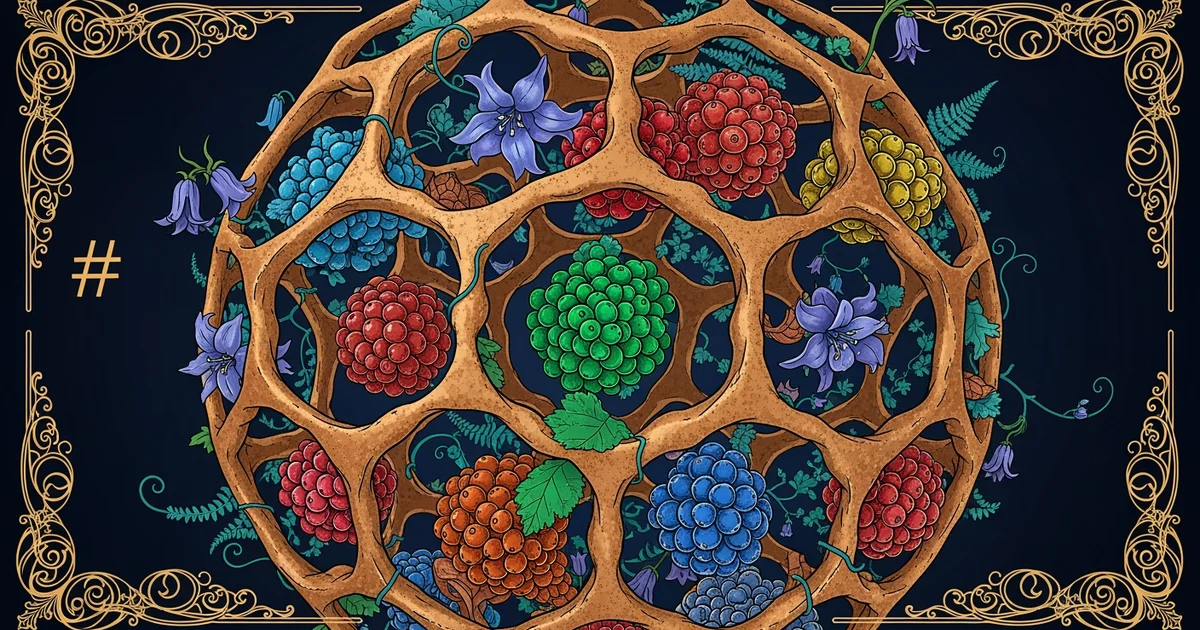
To build functional organs, researchers use a 3D bioprinting process that layers living cells inside a protective gel structure. This gel acts like a temporary scaffold, providing the necessary support for cells to grow, communicate, and eventually form mature tissue. Think of this process like building a house with a wooden frame; the frame holds the shape while the builders add the walls, plumbing, and electrical systems. Once the cells organize into a stable structure, the scaffold gradually dissolves, leaving behind only the patient's own healthy tissue. This prevents the long-term complications often seen with permanent plastic or metal implants.
Key term: 3D bioprinting — the precise deposition of living cells and biological materials to construct complex tissue structures for medical repair.
Successful tissue integration depends on how well these printed structures mimic the native environment of the human body. Our previous study of hydrogel drug delivery showed how these polymers can release medicines slowly over time to aid healing. In the future, we will combine these two ideas by printing scaffolds that not only hold cells but also release growth factors in specific patterns. This dual-action approach ensures that the new tissue receives a constant supply of nutrients while the cells settle into their new home. By controlling the micro-environment, we can guide stem cells to become the exact type of tissue needed for repair.
Future Trends in Organ Repair
Moving forward, the primary goal is to scale these techniques to create entire organs that can replace failing ones. Researchers are currently developing advanced printers that can handle multiple cell types simultaneously, allowing for the creation of complex vascular networks. These networks are essential because they carry blood and oxygen to the center of the printed organ, preventing cell death during growth. Without a working blood supply, even the most perfectly printed scaffold would fail as the interior cells would starve for oxygen.
| Feature | Current Capability | Future Goal |
|---|---|---|
| Complexity | Simple patches | Full organ function |
| Vascularization | Limited channels | Integrated blood vessels |
| Cell Sourcing | External donors | Patient-derived stem cells |
| Integration | Mechanical fit | Biological fusion |
This table highlights the transition from basic structural support to fully functional, living organ replacement. While we can currently print simple tissues like skin or cartilage, the next decade will focus on the harder task of printing vascularized organs like the kidney or liver. These organs require precise placement of many different cell types to function correctly within the human body. As we master this, we will move closer to a reality where waiting lists for organ transplants become a distant memory of the past.
Challenges in Biological Synthesis
Integrating these synthetic scaffolds with the human body requires careful navigation of the immune system's natural defenses. Even when using a patient's own cells, the printing process itself can introduce changes that might trigger an unwanted reaction. Furthermore, the speed of printing must match the biological needs of the cells to ensure they remain viable during the construction phase. We must also address the ethical questions regarding how far we should go in modifying human tissue for repair versus enhancement. These hurdles remain the most significant barriers to widespread clinical use of bioprinted organs in daily hospital practice.
The future of regenerative medicine relies on our ability to create living scaffolds that function in perfect harmony with the patient's existing biological systems.
We will now examine the complex ethical frameworks that guide the design and implementation of these advanced medical technologies.