
Space Traffic Management
Imagine driving on a busy highway where no one follows any marked lanes or speed limits. Collisions become inevitable because every driver moves without knowing the paths of the other vehicles nearby.
Coordinating Orbital Movement
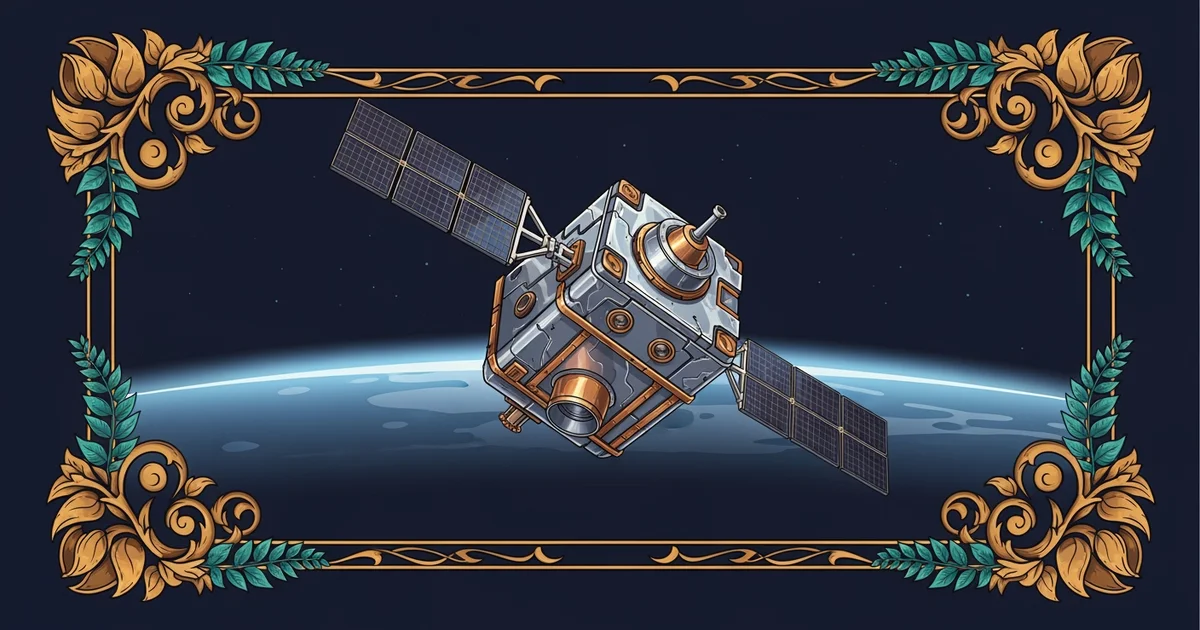
Space traffic management requires creating a global framework to organize how satellites move through the sky. Without a central system, operators cannot predict when two objects might occupy the same space at once. This lack of coordination creates a dangerous environment where debris can strike active hardware at high speeds. Think of this system like a municipal air traffic control tower for the entire planet. Just as planes follow flight paths to avoid mid-air crashes, satellites need defined corridors to ensure they do not collide with other equipment. Establishing these rules requires international cooperation because space belongs to no single nation or private company. When countries agree on common standards, they reduce the risk of creating more junk that might stay in orbit for centuries. Effective management relies on sharing data about the exact location and velocity of every piece of equipment currently circling our world.
Key term: Space Situational Awareness — the process of tracking objects in orbit to predict their paths and prevent potential collisions between satellites.
Implementing Global Traffic Rules
Creating a functional system for managing space traffic involves several critical steps that all nations must follow to maintain safety. First, operators must provide accurate reports regarding the current position and intended flight path of their active satellites. Second, these organizations need a shared database that updates in real time to reflect any sudden changes in orbital trajectories. Third, the international community must define clear right-of-way protocols for maneuvers when two satellites approach one another too closely. These rules prevent confusion during emergency situations where split-second decisions determine if a collision occurs. By standardizing these procedures, we create a predictable environment where all space actors know exactly how to behave during close encounters. This structure acts like a digital map that guides traffic away from congested regions, which helps preserve the long-term utility of the most popular orbital paths.
| Feature | Purpose | Benefit |
|---|---|---|
| Data Sharing | Transparency | Improved safety |
| Maneuver Rules | Predictability | Reduced risk |
| Tracking Systems | Monitoring | Faster response |
The Economic Reality of Orbital Safety
Maintaining a clear orbital environment functions much like managing public infrastructure on the ground, such as roads or bridges. If we allow the space environment to become too crowded, the cost of operating satellites will skyrocket due to high insurance premiums. Companies must pay more to protect their hardware from the constant threat of impacts with rogue debris fragments. When we invest in a robust management system, we essentially pay a small fee now to avoid massive losses later. This approach protects the global economy, which now depends heavily on satellite signals for communication, weather tracking, and financial transactions. Without these protections, the cost of space access would eventually become too high for many nations to afford. We must treat our orbital space as a shared resource that requires careful maintenance to remain open for future generations of explorers and scientists.
Coordinating satellite paths through shared data and universal rules prevents collisions that would otherwise threaten the future of space exploration.
But what does it look like in practice to settle legal disputes when a collision actually occurs?