
Sustainable Habitat Future
Living on a desolate moon requires more than just thick walls and bottled oxygen. You must view a habitat as a living, breathing organ that sustains human life through complex cycles. Imagine a house that produces its own water, food, and air while recycling every ounce of waste. This approach turns a sterile bunker into a functional ecosystem that mimics the natural balance of Earth. By closing the loop on vital resources, we stop relying on expensive supply ships from the home planet. Sustainable design integrates technology with biological needs to create a self-sufficient home in the void.
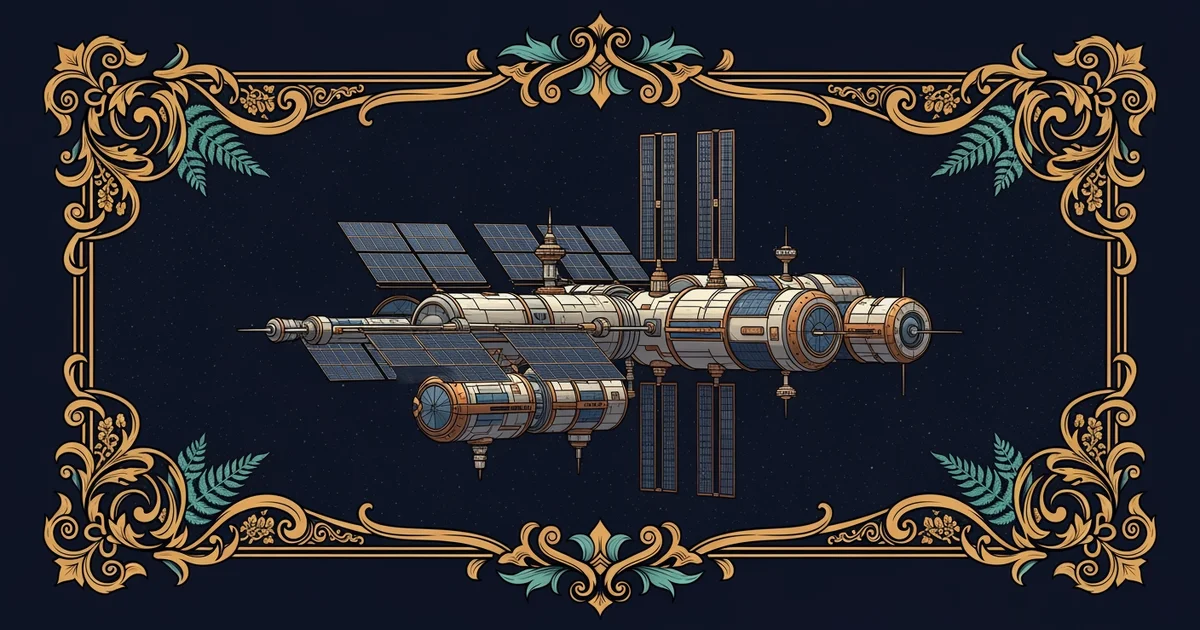
Engineering the Closed-Loop Habitat
Designing a habitat requires us to treat every resource like a precious currency in a tight economy. We must prioritize efficiency because importing supplies across km of space is impossible for daily needs. A closed-loop system functions like a household budget where you never spend more than you earn. If you waste water, you lose the ability to grow crops or maintain hygiene. Engineers use advanced filtration to recover moisture from the air and urine, ensuring that every drop remains within the habitat. This process mirrors how Earth naturally recycles water through rain and evaporation, though we must accelerate the speed.
Key term: Closed-loop system — a self-sustaining environment where all waste materials are recycled back into life-supporting resources.
Beyond water, we must manage the atmosphere to keep the air breathable for the crew members. Plants provide a natural solution by absorbing carbon dioxide and releasing fresh oxygen through photosynthesis. Integrating greenhouses into the living quarters serves two purposes: it cleans the air and provides essential nutrition for the residents. These biological systems interact with mechanical scrubbers to maintain the pressure and gas balance. Without this synergy, the habitat would struggle to support life during long missions in deep space.
Integrating Systems for Long-Term Survival
Building a sustainable home involves balancing multiple technical layers that must work in perfect harmony. We previously explored deep space transit vessels, which focused on moving between points, but habitats must focus on staying in one place. The challenge lies in creating a structure that resists radiation while allowing for human comfort and mental health. A habitat acts like a high-tech fortress that keeps the harsh vacuum of space outside while nurturing life inside. We can categorize the core requirements for a sustainable base using the following framework:
| Requirement | Primary Function | Sustainability Strategy |
|---|---|---|
| Life Support | Air and Water | Full recycling loops |
| Food Systems | Nutritional Needs | Hydroponic cultivation |
| Power Grid | Energy Supply | Solar or nuclear fusion |
These systems must be modular so that technicians can repair them without shutting down the entire base. If a solar panel array fails, the habitat must switch to a backup power source immediately. This reliability ensures that the crew survives even when individual components reach the end of their service life. We must also consider the ethics of space expansion, which we will address next, to ensure our growth remains responsible. A habitat is not just a box; it is a complex web of machines and living things working together to defy the vacuum.
Sustainability requires us to view space exploration as a permanent commitment rather than a temporary visit. We need to create habitats that function as independent islands of life, capable of enduring for decades without external help. By combining durable materials with renewable biological cycles, we protect our future among the stars. Every decision regarding resource management determines whether a mission succeeds or collapses under the weight of its own needs. We must master these closed systems before we can truly call other worlds our home.
True sustainability in space requires the total integration of mechanical life support and biological systems to create a self-renewing environment.
The success of these habitats raises difficult questions about how we should govern and manage the resources of other worlds.