
Cloud-Based Data Exchange
When the massive Burj Khalifa project began, teams relied on local servers that often failed to sync across global offices. This disconnect created a digital barrier where architects and engineers worked on outdated versions of the same building model. Modern teams now use Cloud-Based Data Exchange to solve this persistent issue by hosting files on centralized web servers. This technology allows every team member to access the latest model updates in real-time from any location. By removing the need for local file transfers, project managers ensure that everyone sees the same geometry and data sets simultaneously. This transition mirrors how a bank updates a shared account balance across multiple branches to prevent overdrafts or errors. When one branch records a deposit, the system reflects that change immediately for every other branch in the network. This prevents the costly confusion of working with obsolete information during complex construction phases.
Managing Real-Time Model Synchronization
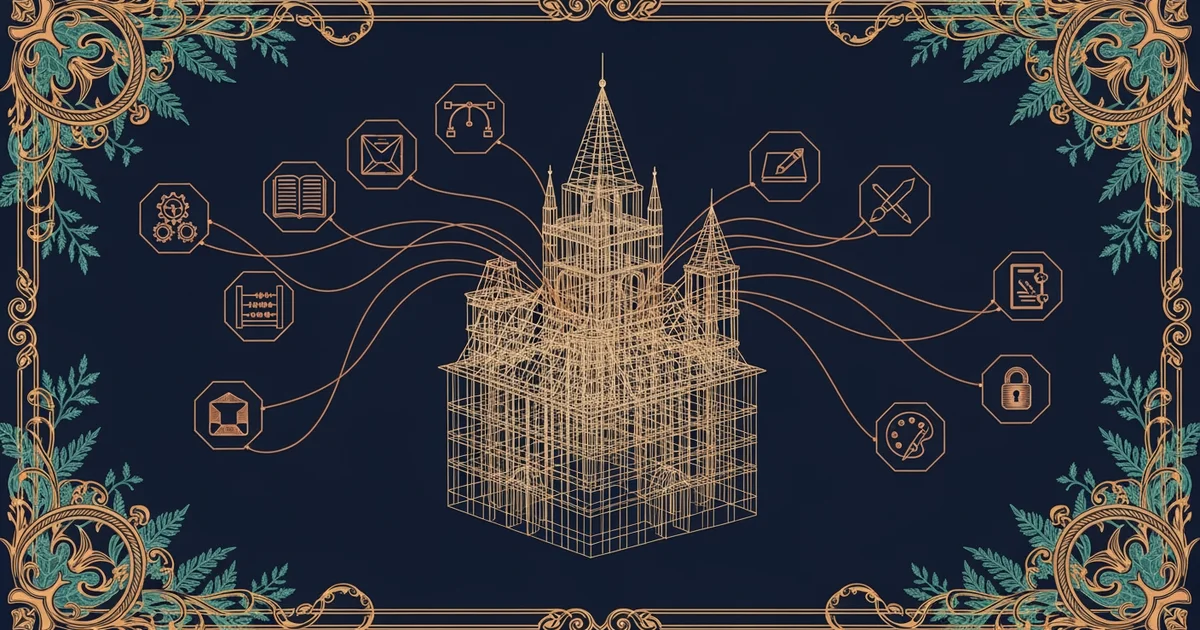
Effective collaboration requires a robust system that maintains data integrity while allowing many users to edit files. A Common Data Environment serves as the digital heart of the project where all stakeholders store and retrieve their work. This environment acts like a shared digital whiteboard where every stroke is instantly visible to all participants. When an architect adjusts a wall, the structural engineer sees that change reflected in their own software without manual intervention. This level of synchronization reduces the time spent on design reviews and prevents conflicting changes from emerging later. The system tracks every modification, which provides a clear history of who made specific adjustments and when they occurred. By automating these updates, teams focus on design quality rather than managing file versions or searching for the latest email attachment.
Key term: Common Data Environment — the central digital repository where all project team members store and access shared building information.
To manage these complex interactions, teams often follow specific protocols for how data flows between different software platforms:
- Initial model upload involves pushing native files to the cloud where the server validates the data integrity.
- Automated conflict detection checks for overlapping components that might cause issues during the physical construction phase.
- Version control mechanisms lock specific elements to prevent two users from editing the same object at once.
- Notification systems alert relevant team members whenever a major change impacts their specific area of responsibility.
Benefits of Centralized Cloud Infrastructure
Centralizing project data provides significant advantages for large teams that operate across different time zones and physical locations. Because the cloud platform acts as a single source of truth, it eliminates the risk of working with mismatched design files. This approach ensures that the mechanical, electrical, and plumbing systems align perfectly with the architectural framework before construction begins. By using cloud servers, companies also reduce the hardware costs associated with maintaining high-performance local storage and backup systems. The cloud environment provides scalable storage that grows alongside the project, ensuring that large files never overwhelm the local network capacity.
| Feature | Local Server Approach | Cloud-Based Approach |
|---|---|---|
| Updates | Manual and slow | Instant and automatic |
| Access | Restricted to office | Available anywhere |
| Storage | Limited by hardware | Scalable and flexible |
| Security | Managed internally | Managed by provider |
This table highlights why modern firms prefer cloud platforms for complex building projects. By shifting from local storage to a cloud-based model, firms gain the agility needed to handle rapid design changes. This is the application of real-time synchronization from Station 13 working in real conditions. The ability to see updates as they happen keeps the entire project team aligned, which prevents expensive rework on the construction site later. As teams become more comfortable with these digital tools, they can push the boundaries of design while maintaining strict control over the project data.
Cloud-based data exchange creates a single, live version of a building model that allows global teams to coordinate their efforts without the risk of using outdated information.
But this model breaks down when different software programs cannot interpret the shared data formats correctly.