
Future of AI Architecture
Imagine a building that senses the shifting sun and adjusts its glass skin to maintain perfect indoor temperatures. This future is not a dream but a direct result of how we teach machines to build our world.
The Evolution of Predictive Design
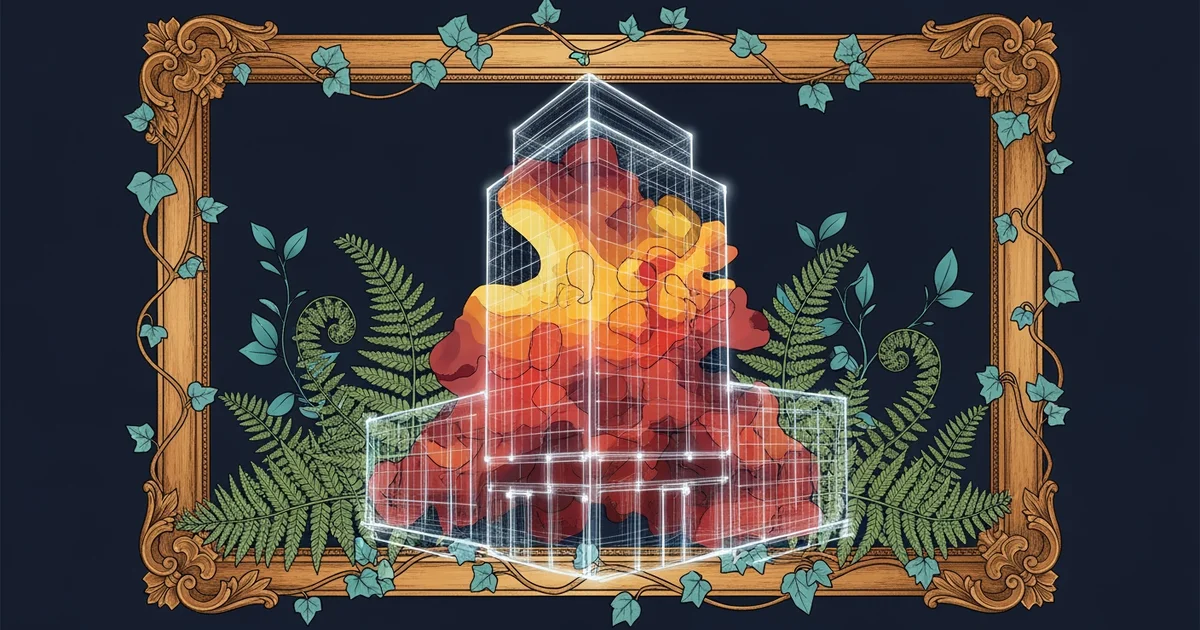
Designers once relied on static blueprints that offered little flexibility after the construction phase finished. Today, we use Generative Design to allow software to test thousands of options for energy efficiency in seconds. This shift mirrors how a chef might use a smart oven to track heat levels, ensuring a dish never burns while saving electricity. By automating the trial-and-error process, architects can focus on human comfort rather than just basic structural math. This transition from static drafting to dynamic simulation represents a massive leap in how we approach our built environment. As we move forward, the goal is to create spaces that react to the weather in real time.
Key term: Generative Design — a process where software creates many design iterations based on specific goals like energy use or material cost.
Integrating Intelligent Systems
Building performance simulation now moves beyond simple energy audits to include complex human behavior patterns within spaces. We previously looked at basic solar heat gain in our earlier stations, but modern AI now blends that data with real-time occupancy monitoring. This synthesis creates a tension between privacy concerns and the desire for high-efficiency environments that serve our needs. If a building knows when you leave a room, it can power down lights and climate controls instantly. This level of precision requires a deep connection between the digital model and the physical sensors placed inside walls.
| Technology Type | Primary Function | Benefit to Architecture |
|---|---|---|
| Digital Twins | Virtual mirroring | Testing changes safely |
| Neural Networks | Pattern guessing | Faster design choices |
| Sensor Arrays | Real-time input | Adaptive environment |
These tools allow for a more precise management of resources than ever before. We can now predict how a building will perform over fifty years instead of just during its first month.
Future Challenges in Architectural AI
Future architects must navigate the gap between what machines calculate and what humans actually find comfortable. While a machine might optimize a room for pure energy savings, it could accidentally create a space that feels sterile or cold. This is the core challenge of current research, as we struggle to quantify human feelings like joy or calm within a simulation. We must teach our algorithms to value the messy, unpredictable nature of human life alongside the clean efficiency of energy math. If we fail to bridge this gap, we risk building efficient boxes that nobody actually wants to inhabit long-term. The next decade will focus on refining these models to include sensory data that captures the full experience of a well-designed room.
- Data collection through sensors must become standard in all new construction projects.
- Algorithms need to prioritize human comfort metrics as highly as energy output stats.
- Designers must learn to interpret AI suggestions rather than just accepting them blindly.
- Regulatory bodies will need to set standards for how AI manages building safety protocols.
This evolution ensures that our structures remain responsive to the needs of the people living inside them. We are moving toward a future where our homes and offices act as active partners in our daily lives. The integration of these systems is the final step in creating truly sustainable architecture that lasts for generations. Technology continues to evolve, but the human element remains the most vital part of the design cycle.
Artificial intelligence transforms architecture by shifting from static drafting to dynamic, responsive models that prioritize both energy efficiency and human comfort.
Understanding how these intelligent systems function allows architects to build smarter spaces that adapt to the changing needs of our modern world.